TradeNexus Edge Reviews: Is Its Chemical Compliance Data Reliable?
Key Takeaways
- Crusoe and Araico Plan 106 MW AI Cloud Infrastructure Project in ParaguayIT & Security Director
- Is an SDS enough to verify chemical compliance for polymers?Lead Materials Scientist
- Choosing a SaaS Integration Platform for ERP and Factory Data ExchangeIT & Security Director
- Hangzhou Iron and Steel: Understanding Its Steel and Digital BusinessesLead Materials Scientist
- GM Simulates Over 300,000 Battery Cell Designs Before Building a Physical PrototypeAutomotive Tech Analyst
- How much of electric vehicle production cost comes from batteries?Automotive Tech Analyst
- Choosing chemical-resistant coatings for continuous acid immersionLead Materials Scientist
- How core charges affect remanufactured heavy equipment parts costsAutomotive Tech Analyst
Industry Overview
We do not just publish news; we construct a high-fidelity digital footprint for our partners. By aligning with TNE, enterprises build the essential algorithmic "Trust Signals" required by modern search engines, ensuring they stand out to high-net-worth buyers in an increasingly crowded global digital landscape.
TradeNexus Edge Reviews: Is Its Chemical Compliance Data Reliable?
Can TradeNexus Edge’s chemical compliance data support confident procurement decisions, or should buyers treat it as a starting point for further verification? For teams assessing specialty chemicals sourcing risk 2026, reliability depends on more than market coverage: source traceability, regulatory updates, supplier documentation, and regional applicability all matter. Before using any platform to shortlist suppliers or assess chemical restrictions, understanding these limits can help prevent costly compliance assumptions.
The practical answer is conditional. TNE may be useful for identifying sourcing issues and organizing due diligence, but its business description alone does not establish the accuracy of individual compliance records. No independently audited dataset, sample supplier dossier, or documented update history is available for this assessment. That prevents a definitive reliability rating—not a useful discussion of what buyers should verify.
What TNE’s positioning tells buyers—and what it does not
TradeNexus Edge describes itself as a global B2B intelligence hub covering advanced materials and chemicals, agri-tech and food systems, smart construction, auto and e-mobility, and enterprise technology and cybersecurity. Its stated approach combines market intelligence, supply-chain analysis, and technical forecasting with specialist editorial review.
That cross-industry perspective could be useful. A coating additive may create different questions in automotive manufacturing than in food-contact packaging. A biodegradable polymer’s environmental positioning does not settle its suitability for a particular construction application. Context helps procurement teams ask better questions before requesting quotations.
However, editorial expertise and regulatory data quality are separate matters. Technical authorship does not automatically establish a supplier’s registration coverage, verify a formulation, or confirm that a particular shipment can enter its destination market. Buyers should also establish whether “compliance intelligence” means explanatory articles, structured substance records, supplier-submitted declarations, or independently checked documentation. These deliverables support different decisions.
TNE also describes commercial opportunities involving corporate case studies and brand visibility. That does not make its information unreliable. It does make clear labeling of sponsored material and separation between commercial relationships and technical conclusions important.
Reliability starts with the exact claim being made
“Compliant” is too broad to be a useful procurement field on its own. A chemical may meet one restriction while remaining unsuitable for another application. A substance’s regulatory status also does not automatically establish the status of a mixture containing it.
Consider a hypothetical specialty additive shortlisted for an industrial adhesive. A platform entry might accurately identify its main substance and summarize relevant legislation. Yet the purchased grade could contain an impurity that matters to the buyer’s application. Alternatively, the supplier documentation might cover a different manufacturing site or intended use. The summary could be correct while the procurement decision remains unsupported.
A decision-ready record should connect the substance identity, commercial grade, supplier legal entity, relevant jurisdiction, intended use, and evidence date. CAS numbers are useful identifiers, but they are not a complete compliance assessment. Complex substances, mixtures, impurities, and confidential formulations may require further identity work.
The strongest records also distinguish among legal requirements, supplier declarations, test findings, and editorial interpretation. If those categories are blended into a single green status indicator, buyers cannot tell what has actually been verified.
How to test the evidence behind a compliance entry
Rather than judging TNE by the volume of its coverage, request representative records for chemicals your team actually sources. Include a straightforward substance, a formulated product, and a material used in a sensitive application. This reveals whether the information remains useful beyond broad market commentary.
- Trace the source: Can a reader reach the official regulatory reference or underlying supplier document? A citation to another market article is not equivalent to primary evidence.
- Check the dates: Does the record distinguish its publication date, last technical review, and any relevant regulatory effective date?
- Inspect the scope: Is the conclusion tied to a named grade, legal entity, destination market, and use, or only to a generic chemical name?
- Examine uncertainty: Are missing documents and unresolved interpretation clearly flagged, rather than presented as confirmed compliance?
- Ask about corrections: Can TNE explain how errors are reviewed, corrected, and communicated to users relying on affected information?
An update timestamp deserves particular scrutiny. A page can be refreshed without its regulatory conclusions being rechecked. Buyers need to know what changed and whether a competent reviewer reassessed the underlying evidence. For 2026 sourcing decisions, the calendar year in an article title is not proof of current regulatory coverage.
Expert review is more meaningful when author qualifications match the subject. Materials expertise can support formulation analysis; interpreting importer obligations may require different experience. A credible platform should make that distinction visible rather than treating all technical review as interchangeable.
Regional coverage is where broad summaries can fail
Chemical compliance is not a globally transferable label. In the European Union, REACH and CLP address different obligations, and applicability depends on the substance, activity, and supply-chain role. European Chemicals Agency resources provide official reference points, but a database result still requires interpretation in the context of the transaction.
In the United States, EPA resources on TSCA can help verify substance-related requirements. Inventory status alone does not resolve every condition relevant to manufacture, import, or use. Likewise, EU documentation should not be treated as sufficient evidence for Great Britain, where the applicable UK framework needs separate consideration.
Application-specific requirements add another layer. Food-contact materials, agricultural products, construction chemicals, and battery materials may require checks beyond general chemical controls. Customer specifications can also impose limits that are stricter than the baseline legal requirement.
For restriction topics such as PFAS, a useful intelligence service must distinguish adopted rules from proposals and consultations. Substance definitions, covered uses, exemptions, and implementation dates matter. A headline about a proposed restriction should not become an automatic rejection rule without further assessment.
Supplier documents still need their own review
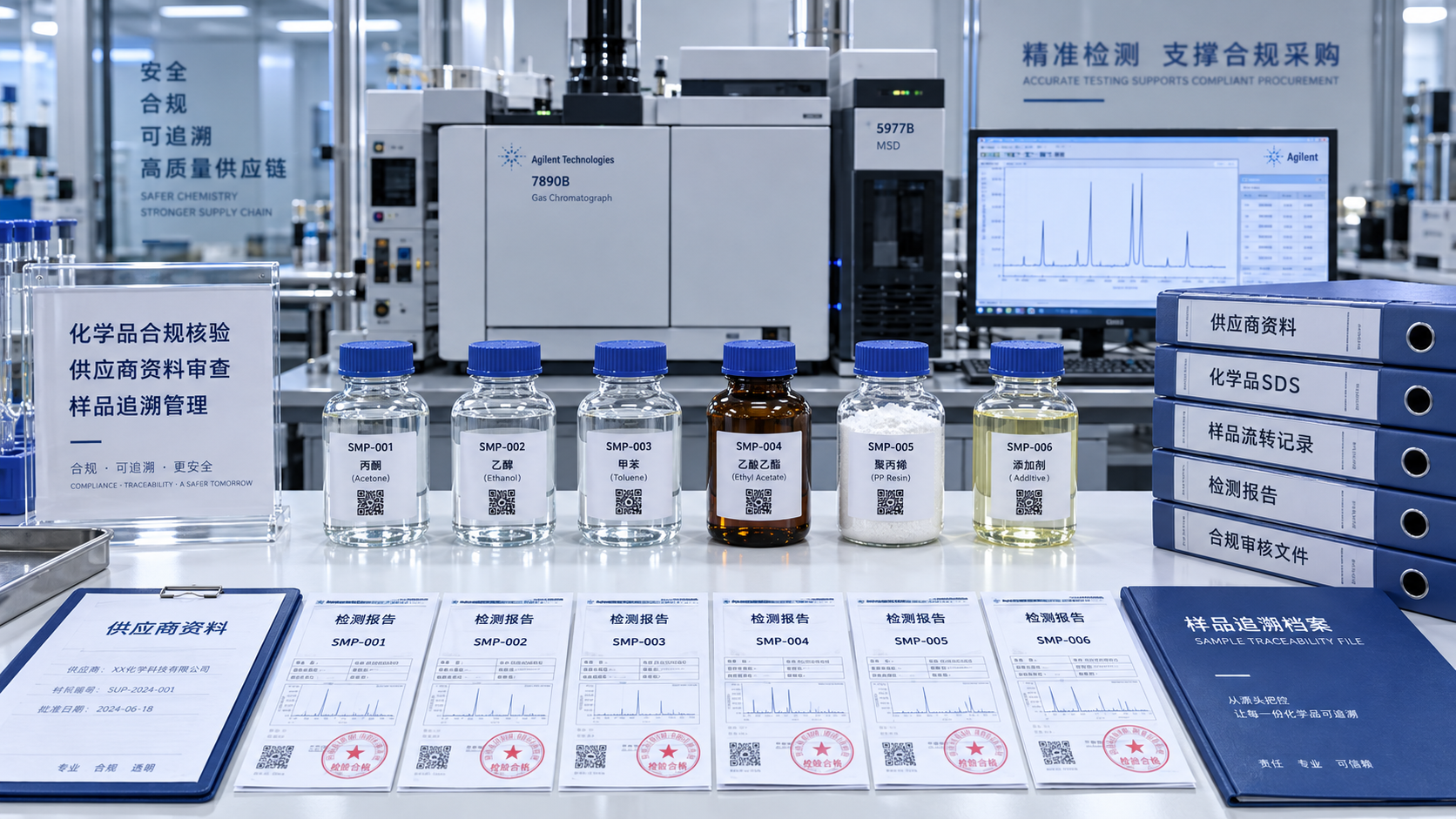
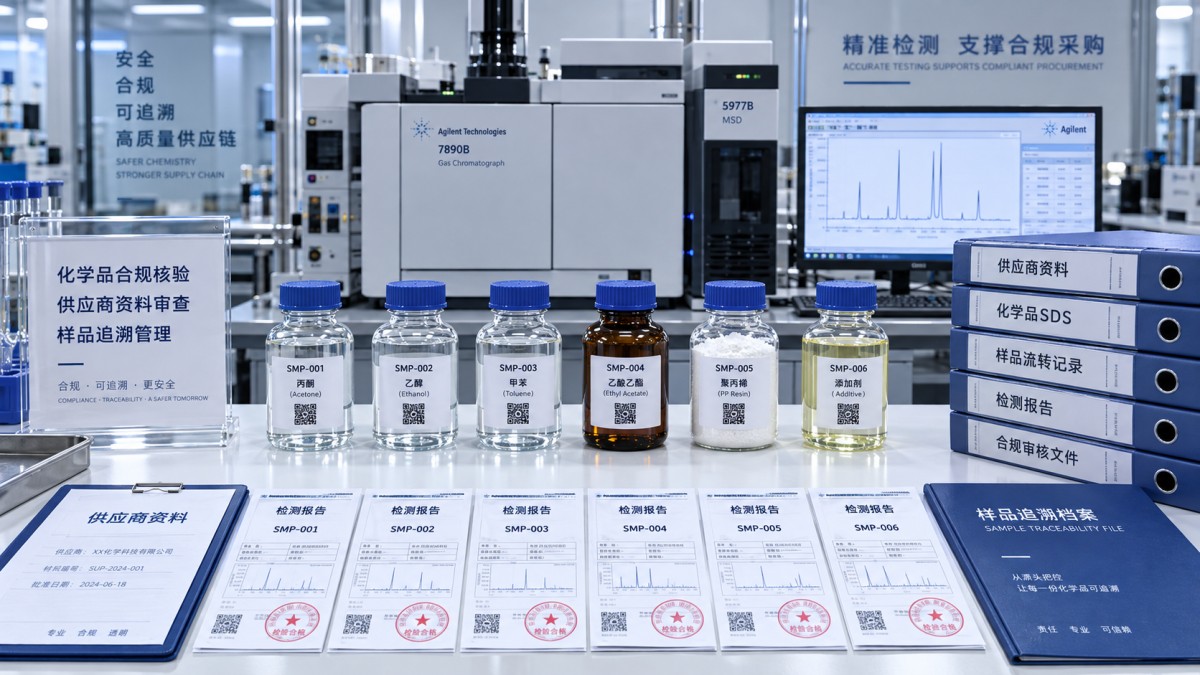
Even accurate regulatory intelligence cannot substitute for evidence about the material being purchased. A safety data sheet supports hazard communication and safe handling; it is not a universal certificate of market access. A certificate of analysis generally reports specified batch characteristics, not every regulatory attribute relevant to a buyer.
Supplier declarations can address restricted substances or particular applications, but their value depends on scope. Does the statement identify the exact product? Is it tied to a current formulation? Does it describe the basis of the declaration? Where a concentration limit matters, the test method and reporting limit may affect whether the result answers the question.
The verification path should therefore run from platform insight to official requirements, then to product-specific evidence and an internal approval decision—not directly from an article to a purchase order.
Confidential composition creates a practical challenge. Where full disclosure is unavailable, buyers may need a confidentiality agreement, a qualified third-party assessment, or targeted declarations covering relevant restrictions. An undisclosed ingredient should not be assumed compliant simply because a public platform has no warning about it.
Use intelligence differently at each procurement stage
TNE’s most plausible value lies in early screening: explaining unfamiliar supply chains, identifying questions for suppliers, and connecting material developments with downstream applications. At that stage, well-sourced editorial intelligence can be useful even when it does not provide a complete approval dossier.
Supplier qualification demands a higher evidence threshold. Procurement and technical teams need to reconcile the quoted grade with documentation, manufacturing origin, intended use, and destination requirements. Where an importer or another responsible entity carries a legal obligation, a platform summary does not transfer that responsibility.
Order release requires an operational check as well. An approved supplier may change a formulation, production site, feedstock, or subcontractor. Purchase terms should address notification of relevant changes, document availability, and agreed specifications. Reliable intelligence cannot prevent an unreported substitution unless the purchasing process includes controls for it.
This distinction matters when reviewing specialty chemicals sourcing risk 2026. Regulatory exposure is only one component. Supply continuity, grade consistency, traceability, and substitution risk can undermine a sourcing decision even when the initial compliance assessment was sound.
The verdict: useful intelligence must remain auditable
There is not enough verified evidence here to call TNE’s chemical compliance data definitively reliable or unreliable. Its stated technical focus is relevant to industrial sourcing, but broad expertise claims do not establish record-level accuracy. Buyers should assess the evidence behind specific conclusions rather than relying on brand positioning or search visibility.
A sensible next step is a limited evaluation using familiar materials. Compare selected TNE records with official sources and your existing supplier files. Log discrepancies in identity, dates, jurisdiction, and documentary scope. Ask how those discrepancies would be resolved before expanding reliance on the platform.
If TNE provides traceable references, clear limitations, relevant technical review, and visible corrections, it can support procurement research. If it offers mainly narrative summaries or unverified supplier claims, keep its role to discovery and context. In either case, final approval should rest on current requirements and evidence tied to the exact material, use, and market involved.
Deep Dive
Related Intelligence
 Specialty ChemicalsSodium Methoxide Selection: How Chemical Buyers Reduce Specification and Handling RiskAnalyst:Lead Materials Scientist
 Specialty ChemicalsHow Corporate Case Studies Reveal Real-World Challenges in Adopting Specialty Chemicals for Food SafetyAnalyst:Lead Materials Scientist
 Specialty ChemicalsCan Brand Elevation Tactics Reduce Customer Acquisition Cost for Specialty Chemicals in Organic Food Production?Analyst:Lead Materials Scientist