Hangzhou Iron and Steel: Understanding Its Steel and Digital Businesses
Key Takeaways
- Crusoe and Araico Plan 106 MW AI Cloud Infrastructure Project in ParaguayIT & Security Director
- Is an SDS enough to verify chemical compliance for polymers?Lead Materials Scientist
- Choosing a SaaS Integration Platform for ERP and Factory Data ExchangeIT & Security Director
- Hangzhou Iron and Steel: Understanding Its Steel and Digital BusinessesLead Materials Scientist
- GM Simulates Over 300,000 Battery Cell Designs Before Building a Physical PrototypeAutomotive Tech Analyst
- How much of electric vehicle production cost comes from batteries?Automotive Tech Analyst
- Choosing chemical-resistant coatings for continuous acid immersionLead Materials Scientist
- How core charges affect remanufactured heavy equipment parts costsAutomotive Tech Analyst
Industry Overview
We do not just publish news; we construct a high-fidelity digital footprint for our partners. By aligning with TNE, enterprises build the essential algorithmic "Trust Signals" required by modern search engines, ensuring they stand out to high-net-worth buyers in an increasingly crowded global digital landscape.
Hangzhou Iron and Steel combines a steelmaking identity with a broader business portfolio that includes digital infrastructure activities. Understanding that combination starts with separating the wider corporate group from the listed company and its subsidiaries. Their assets, contracts, financial statements, and obligations do not necessarily cover the same businesses.
The steel side is shaped by production economics: raw material costs, product mix, plant utilization, and selling prices. Digital businesses introduce different questions about infrastructure ownership, electricity supply, customer commitments, and equipment investment. A meaningful assessment therefore connects each activity to the entity that owns it, the income it generates, and the capital required to sustain it.
The corporate boundary determines what is being assessed
The name “Hangzhou Iron and Steel” can refer to Hangzhou Iron and Steel Group or to the listed Hangzhou Iron & Steel Co., Ltd. The group represents a wider collection of interests. The listed company reports a defined set of consolidated businesses. Treating those two scopes as interchangeable creates errors when interpreting announcements, comparing financial results, or assessing a commercial relationship.
Common ownership does not make every group asset an asset of the listed company. A project announced by the parent belongs in an assessment of the listed entity only when ownership, consolidation, or a contractual relationship establishes the connection. Likewise, a subsidiary’s revenue cannot automatically be attributed in full to shareholders of the parent: outside ownership interests affect the earnings attributable to them.
Three documents resolve much of this ambiguity: the latest annual report, the subsidiary ownership disclosures, and the legal entity named in the proposed contract. The annual report establishes reporting scope; ownership disclosures explain control and economic interests; the contract identifies which entity must deliver and pay. A familiar corporate name on a presentation does not establish a parent guarantee.
This distinction also affects historical comparisons. An acquisition, disposal, or change in consolidation can alter reported revenue without a corresponding change in underlying demand. Comparisons across reporting periods need a consistent business boundary before changes are interpreted as operational improvement or deterioration.
Steel earnings begin with the spread between inputs and finished products
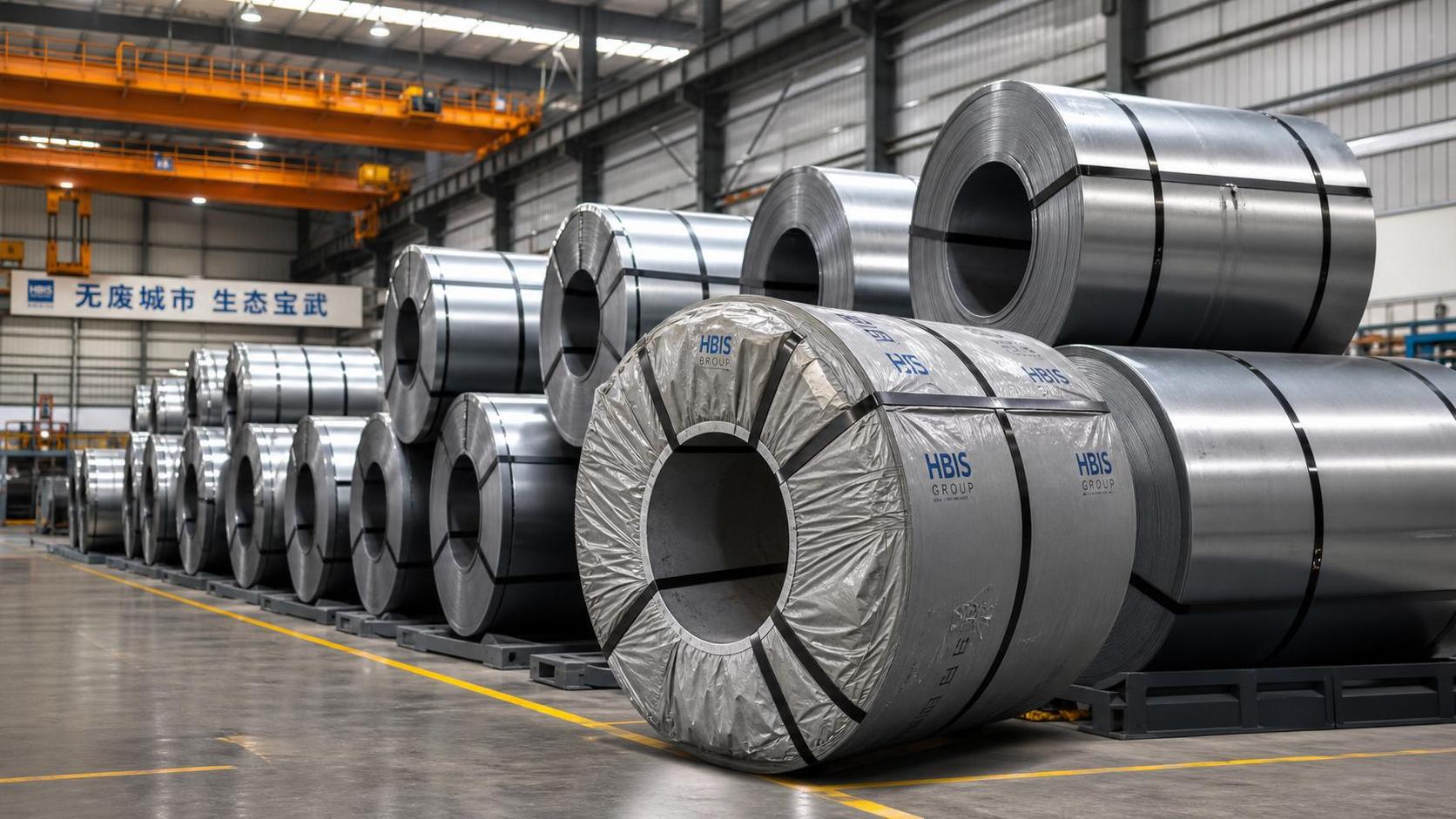
The company’s steel business is associated with operating subsidiaries, including Ningbo Iron & Steel. Its industrial name should not be read as a complete description of where production takes place or which entity operates a particular facility. Production sites, sales companies, and the listed parent have different functions within the corporate structure.
Steel profitability depends heavily on the relationship between realized selling prices and the cost of metallic inputs, fuel, energy, and conversion. For integrated production, iron ore and coking coal are important exposures. The relevant calculation is the margin earned on saleable output after accounting for the production route, material consumption, yield, and processing requirements.
Rising steel prices alone do not establish improving profitability. If input costs rise faster, the operating margin narrows. Timing also matters: raw materials purchased earlier pass through inventory before becoming finished goods, while sales contracts follow their own pricing schedules. Spot market movements and reported margins can therefore diverge within the same reporting period.
Product mix changes the interpretation further. Hot-rolled coil sold for general fabrication has different qualification requirements and commercial economics from material intended for demanding forming or processing applications. A higher average selling price could reflect a richer product mix, a market price increase, or additional processing. Those explanations imply different levels of durability.
Production volume needs an operational explanation
High utilization spreads some fixed costs across more tonnes, but additional output creates value only when it earns an adequate contribution and converts into cash. Rising production alongside growing finished-goods inventory can signal weaker sales absorption. Lower output during planned maintenance has a different meaning from lower output caused by weak orders or an extended equipment outage.
Yield provides another useful distinction. Crude steel production, finished product output, and saleable shipments measure different stages. Differences arise from processing losses, internal consumption, inventory movements, and the timing of production. Comparing a production figure directly with sales revenue without reconciling these stages can produce a misleading view of performance.
For a material transaction, the operational questions become specific: grade, dimensions, surface condition, tolerances, delivery condition, and traceability to the producing mill. A sales subsidiary’s role also matters. The entity issuing an invoice may arrange distribution while the producing mill remains responsible for manufacturing records and test documentation.
Digital activities require a separate map of assets and services
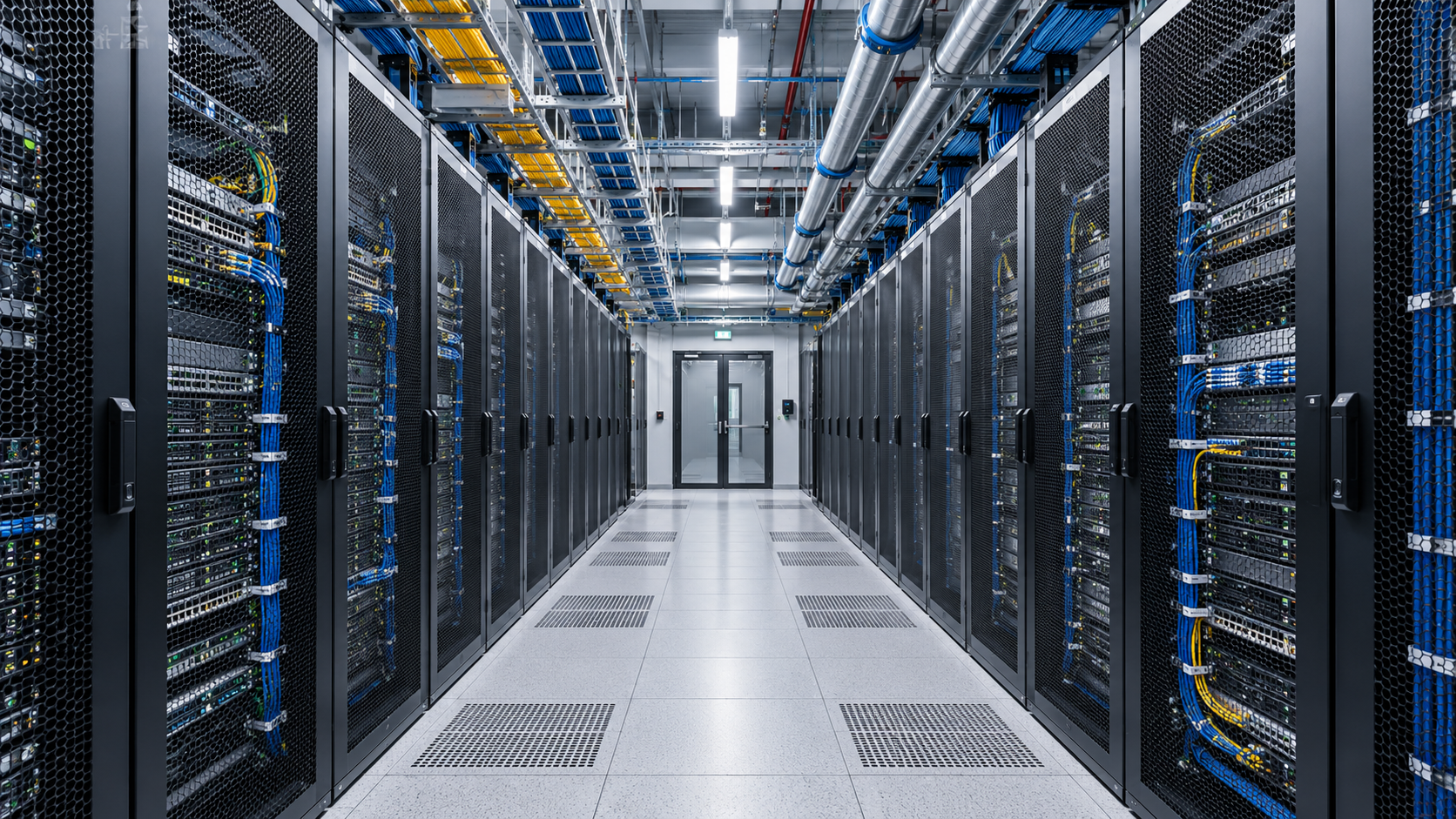
Digital infrastructure forms part of the Hangzhou Iron and Steel business story, but “digital business” is too broad to serve as a financial category by itself. Data center property, power infrastructure, equipment hosting, computing hardware, and software services have different investment requirements and revenue models. Their contribution must be established from the relevant entity and segment disclosures.
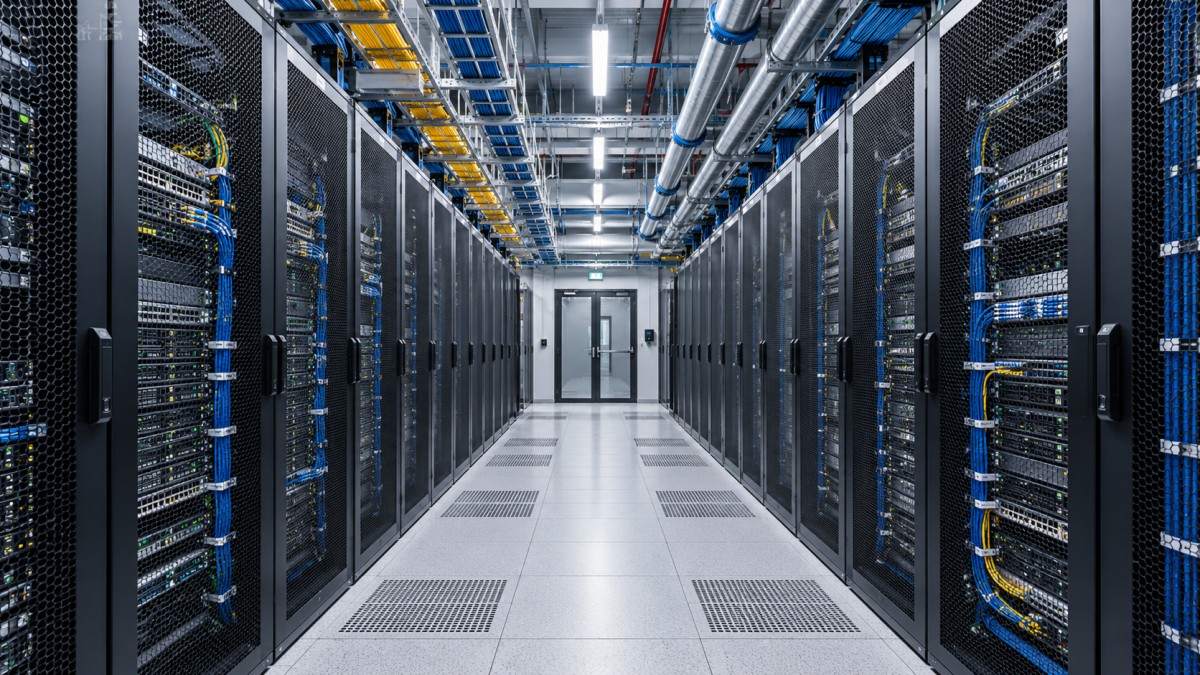
A data center operator earns income from making a functioning technical environment available under defined service terms. Those terms can include cabinet space, electrical capacity, cooling, connectivity arrangements, and operational support. Ownership of a building does not establish ownership of the computing equipment installed inside it.
Similarly, participation in a computing project does not establish that the company develops the applications running on the equipment. A project involving infrastructure provision has different margins, technical responsibilities, and replacement cycles from a software service. Descriptions such as “cloud,” “computing,” and “digital economy” need to be translated into identifiable assets and contractual services.
A useful business map places the parent group above its controlled entities, then connects each operating entity to its assets, customers, and revenue streams. Such a map makes visible whether steel and digital activities share only ownership or also financing, infrastructure, and commercial relationships. Physical proximity alone does not prove meaningful operating integration.
Installed capacity is only the starting point
A digital infrastructure project passes through several commercially distinct stages: construction, technical completion, power availability, service readiness, customer installation, and billable operation. Announced capacity says little about current earnings unless its stage is clear. Completed space can remain economically underused when customer equipment has not been installed or contractual billing has not begun.
Even the word “utilization” needs a denominator. It might describe occupied cabinets, contracted power, available electrical load, or actual consumption. These measures answer different questions. A cabinet count becomes especially difficult to compare when equipment densities differ, because a smaller number of high-power cabinets can require substantial electrical and cooling capacity.
Contract structure determines how utilization becomes revenue. Reserved capacity with a minimum payment obligation produces a different cash flow profile from services billed primarily on actual usage. Electricity charges also need attention: passing power costs through to customers can increase reported revenue without a comparable increase in gross profit.
Why the two businesses produce different financial signals
Steel and digital infrastructure both require substantial physical investment, but their operating cycles differ. Steel cash flows are closely connected to shipment volumes, commodity spreads, and inventory financing. Digital infrastructure cash flows depend on service activation, contractual commitments, operating availability, and the pace at which invested capacity earns revenue.
These differences complicate consolidated analysis. An increase in group revenue does not reveal whether steel pricing improved, digital services expanded, or low-margin trading activity increased. Segment revenue, segment profit, and the accounting policies behind them provide a stronger explanation than a single headline growth figure.
Intercompany transactions also matter. One group entity supplying services to another can report revenue in its own accounts, while the same transaction is eliminated from consolidated results. Adding subsidiary revenues together without removing internal business overstates the scale of external demand.
Capital spending can change the meaning of reported profit
Both businesses consume capital before their full economic benefits appear. Steel assets need maintenance and periodic replacement to preserve production capability. Data centers require electrical and cooling systems before customer occupancy produces meaningful income. Where computing hardware is owned, replacement exposure becomes an additional consideration.
That makes operating cash flow and capital expenditure essential companions to earnings. Positive accounting profit does not establish that expansion is self-funding. Cash tied up in steel inventory, delayed customer collections, or unfinished digital projects can create a financing requirement even during a profitable reporting period.
Depreciation deserves separate attention. A completed asset entering service adds depreciation expense, while its revenue may still be developing. Conversely, an earnings measure that excludes depreciation can obscure the economic burden of replacing equipment. The significance is greater for assets exposed to rapid technical change than for long-lived buildings.
Debt should then be connected to the assets and cash flows supporting it. Borrowing at a project subsidiary, borrowing at the listed company, and borrowing at the wider parent are distinct obligations. Guarantees, pledged assets, repayment dates, and restrictions on cash transfers determine how stress in one part of the structure could affect another.
What would demonstrate a successful business transition?
A larger digital revenue contribution would show a changing business mix, but it would not by itself demonstrate stronger economics. More persuasive evidence would connect operating capacity to paying demand, show the profitability of those services, and explain whether cash generation supports the investment required. Revenue expansion accompanied by persistent funding needs deserves a different interpretation from expansion supported by recurring operating cash flow.
The steel business also remains relevant during any transition. It can contribute cash when operating spreads are favorable, while absorbing cash during weaker conditions or major investment periods. Describing digital activity as diversification is reasonable only to the extent that its earnings drivers differ and its scale is meaningful within the reporting entity.
The decisive evidence sits where operating disclosures meet the accounts: steel shipments reconciled with margins and inventory; digital capacity reconciled with billing and cash receipts; and both reconciled with capital spending and debt. Those connections reveal what Hangzhou Iron and Steel’s business mix means economically, beyond the labels attached to its activities.
Deep Dive
Related Intelligence
 Steel Market TrendsHow Buyers Can Avoid Common 904L Stainless Steel Coil Sourcing MistakesAnalyst:Lead Materials Scientist
 Steel Market TrendsColor Coated Galvalume Roof Sheet Problems Buyers Can Prevent Before DeliveryAnalyst:Lead Materials Scientist
 Steel Market TrendsCarbon Steel Coil Market Trends: Why Global Buyers Are Rebuilding Flexible Steel Supply ChainsAnalyst:Lead Materials Scientist