GM Simulates Over 300,000 Battery Cell Designs Before Building a Physical Prototype
Key Takeaways
- Crusoe and Araico Plan 106 MW AI Cloud Infrastructure Project in ParaguayIT & Security Director
- Is an SDS enough to verify chemical compliance for polymers?Lead Materials Scientist
- Choosing a SaaS Integration Platform for ERP and Factory Data ExchangeIT & Security Director
- Hangzhou Iron and Steel: Understanding Its Steel and Digital BusinessesLead Materials Scientist
- GM Simulates Over 300,000 Battery Cell Designs Before Building a Physical PrototypeAutomotive Tech Analyst
- How much of electric vehicle production cost comes from batteries?Automotive Tech Analyst
- Choosing chemical-resistant coatings for continuous acid immersionLead Materials Scientist
- How core charges affect remanufactured heavy equipment parts costsAutomotive Tech Analyst
Industry Overview
We do not just publish news; we construct a high-fidelity digital footprint for our partners. By aligning with TNE, enterprises build the essential algorithmic "Trust Signals" required by modern search engines, ensuring they stand out to high-net-worth buyers in an increasingly crowded global digital landscape.
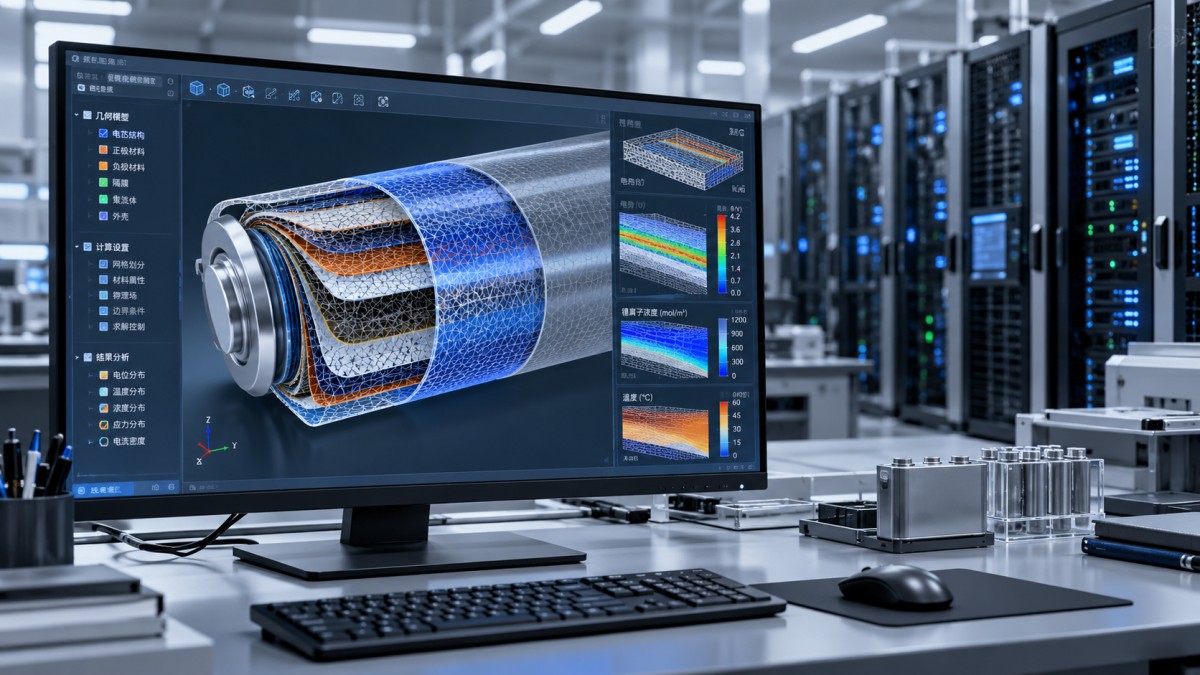
General Motors announced that it used advanced simulation to evaluate more than 300,000 designs for its next-generation electric vehicle battery cells before manufacturing a single physical prototype. The event date is not specified in the supplied information. Although the announcement provides no evidence of a new regulation, certification requirement or trade rule, it raises a practical question for battery manufacturers, material suppliers and testing providers: how might increasingly extensive digital development affect procurement specifications, technical documentation and validation expectations?
Extensive Virtual Screening Ahead of Physical Prototyping
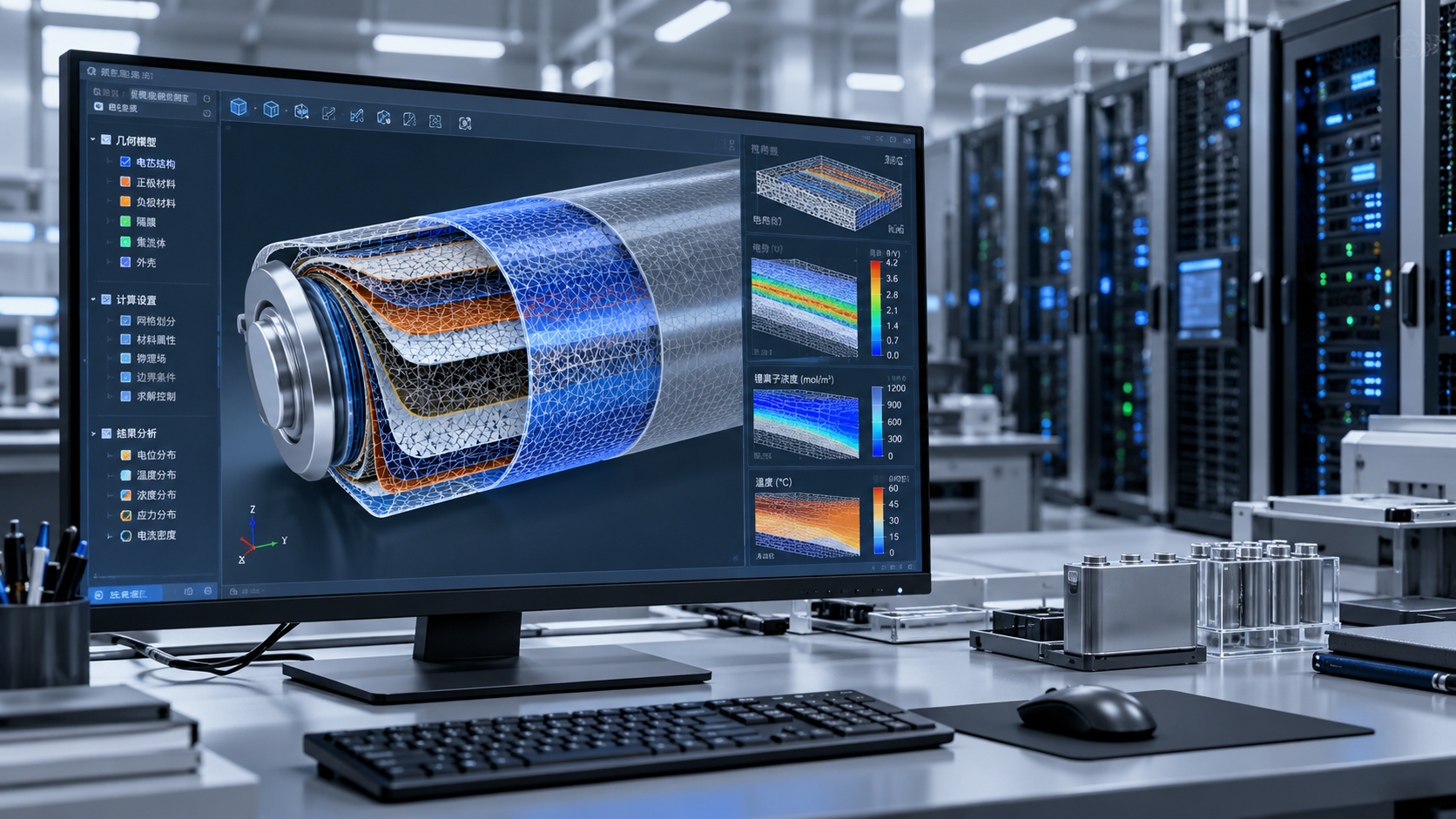
According to the supplied summary, GM's simulation work consumed computing time equivalent to 34,000 years. The company used an AI-driven approach to explore battery cell designs before producing a physical prototype.
The stated objectives are to accelerate battery innovation, optimize energy density, significantly shorten development cycles and reduce material costs in the competitive global electric vehicle market. The supplied information does not report measured improvements in these areas or provide physical test results.
Potential Changes Begin With Specifications and Evidence
Material suppliers may face more detailed technical discussions
From an industry perspective, extensive simulation could influence how battery developers compare material options before ordering prototype quantities. If developers translate simulation findings into purchasing specifications, suppliers may encounter more detailed requests for material characteristics and supporting data. This is a possible procurement implication, not a confirmed change to GM's supplier requirements.
For material procurement teams, the practical issue would be whether assumptions used in a design model correspond to the material being offered. Analysis suggests that clearer links between supplier data, material specifications and the evaluated design could become useful during technical reviews. The announcement does not establish new supplier qualifications or mandatory documentation.
Manufacturers may need to coordinate design revisions with production planning
Analysis suggests that screening more designs digitally could change when manufacturers receive a design for physical evaluation. If design candidates are revised more frequently before selection, manufacturers and procurement teams may need to clarify which version supports a quotation, sample order or delivery plan. No such workflow change is confirmed in the supplied information.
The potential benefit of shorter development cycles also warrants careful interpretation. A development objective does not establish an earlier production date or a shorter customer delivery commitment. Those decisions would need supporting evidence beyond the reported simulation volume.
Testing and certification discussions could focus on the use of model results
For testing providers and certification-related businesses, a possible issue is how simulation evidence would be documented and connected to physical results. The supplied information does not identify a certification pathway or establish that model outputs have been accepted for any regulatory purpose.
From a compliance perspective, businesses should therefore distinguish a developer's use of simulation from any formal decision about acceptable evidence. The announcement provides no basis for concluding that testing obligations, certification conditions or trade documentation have changed.
Practical Checks Before Revising Procurement or Delivery Plans
Clarify what the reported simulation work demonstrates
As a practical recommendation, businesses evaluating this approach could seek clarification on the scope of the simulations, the assumptions used and the criteria for selecting designs for physical prototyping. The reported scale indicates extensive computational work, but it does not by itself establish battery performance, manufacturing readiness or approval status.
Link technical records to the design being purchased
Analysis suggests that procurement and engineering teams could benefit from checking that quotations, material specifications and validation documents refer to the same design version. If simulation leads to a revised material choice or cell specification, businesses could assess whether the revision calls for additional verification before making purchasing commitments. This is a suggested control, not a newly announced requirement.
Keep cost and schedule assumptions subject to verification
Businesses considering changes to sourcing volumes or delivery schedules could look for evidence that the stated development and material-cost objectives have been achieved. The supplied summary gives no quantified savings or confirmed schedule reduction. Planning assumptions should therefore distinguish intended benefits from demonstrated outcomes.
Check any claimed acceptance of simulation evidence
If subsequent commercial documents refer to simulation as supporting compliance or qualification, relevant teams could verify the scope of that claim and the evidence expected by the parties involved. No change to certification acceptance, export conditions or market access can be established from the supplied announcement.
A Development Signal With No Confirmed Rule Change
At this stage, it is more appropriate to understand the announcement as a signal about GM's battery development approach than as an implemented change in industry rules. The input identifies a company initiative and its intended benefits; it does not identify a policy decision, revised standard, regulatory interpretation or binding purchasing rule.
Editorial analysis suggests that the issue worth monitoring is whether extensive simulation later influences formal supplier specifications, qualification procedures or the evidence requested during technical reviews. Such developments could affect business practice, but they remain possibilities rather than reported outcomes.
Further disclosures about physical validation, supplier implementation and any documented acceptance of simulation evidence would help businesses assess whether the announcement has consequences beyond research and development.
Use the Announcement to Guide Verification
GM's reported evaluation of more than 300,000 battery cell designs illustrates the scale of its simulation effort before physical prototyping. Its commercial significance will depend on whether the approach delivers the intended improvements in development time, energy density and material costs.
For industry participants, the proportionate response is to monitor technical specifications and validation evidence while checking any proposed changes to procurement or delivery commitments. The available information supports attention to a development approach; it does not establish a new compliance obligation or a confirmed change in trade conditions.
Basis of This Article and Details Still to Verify
This article is based solely on the user-provided news title, event-time information and event summary. The event date was not specified, and no specific official source link was provided in the input. The announcement and any subsequent implementation details therefore remain subject to continued verification.
Relevant materials for future verification could include company announcements, technical disclosures and, if changes are subsequently proposed, applicable standards documents or regulatory publications. Follow-up should focus on physical validation results, demonstrated cost and schedule outcomes, supplier requirements, qualification or certification acceptance criteria, and industry feedback. No additional source has been treated as evidence for this article.
Deep Dive
Related Intelligence
 Battery TechLithium battery packs for off-grid telecom — why cycle life drops 40% below 15°CAnalyst:Automotive Tech Analyst
 Battery TechEVE Power Officially Becomes Tesla's Fifth Global Battery SupplierAnalyst:Automotive Tech Analyst
 Battery TechLithium battery packs in off-grid HVAC: Are thermal runaway risks being underestimated?Analyst:Automotive Tech Analyst