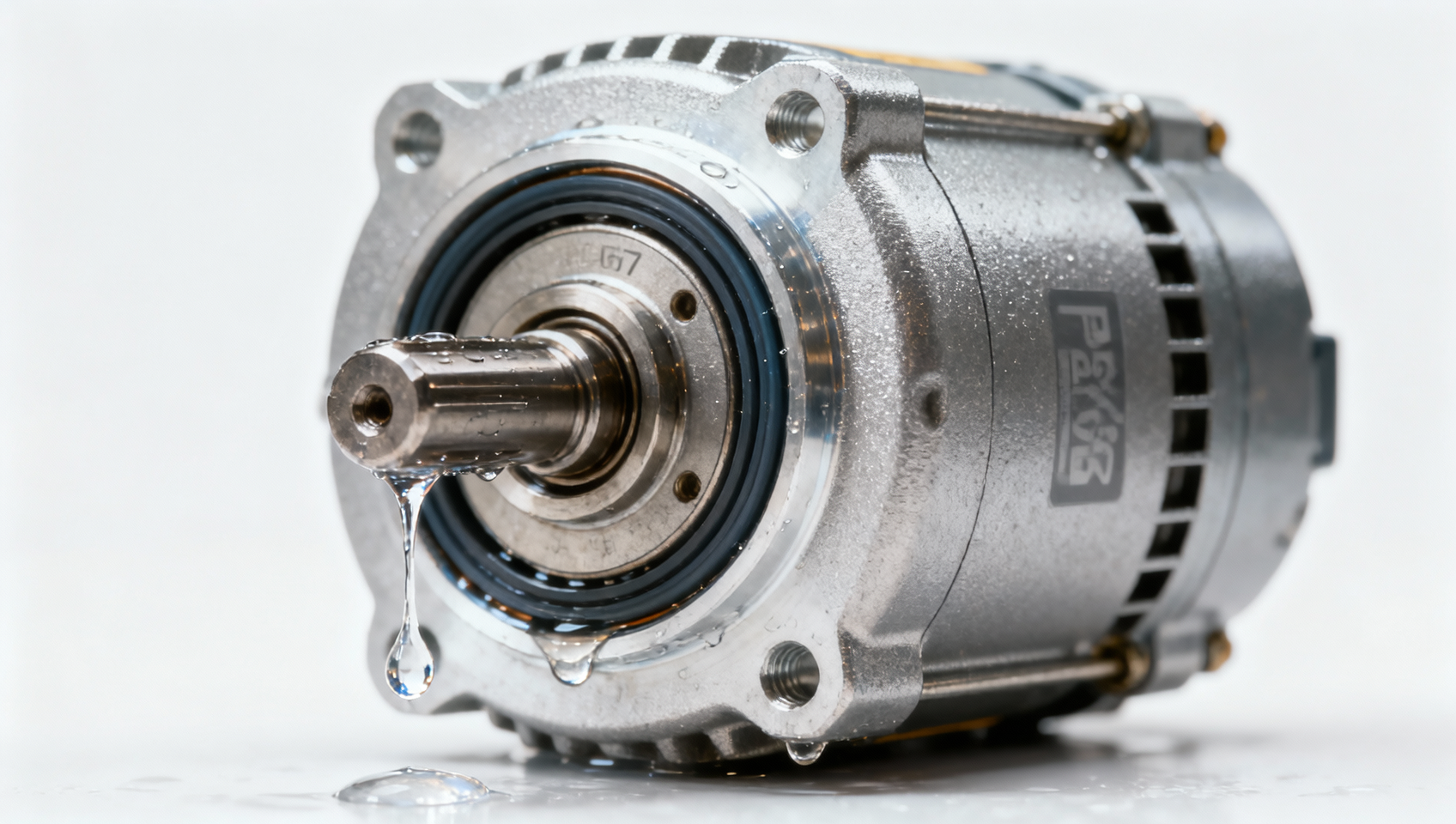
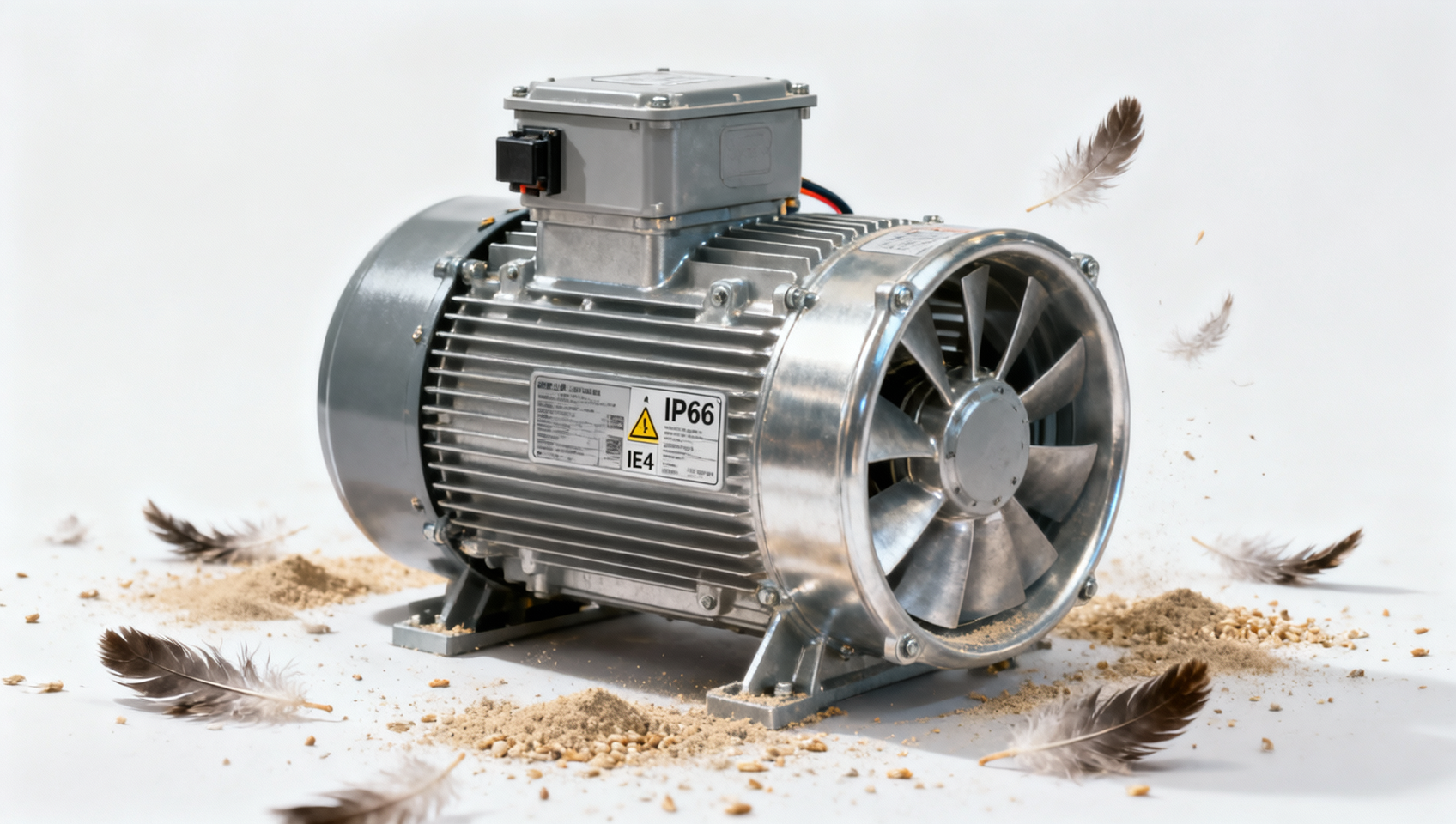
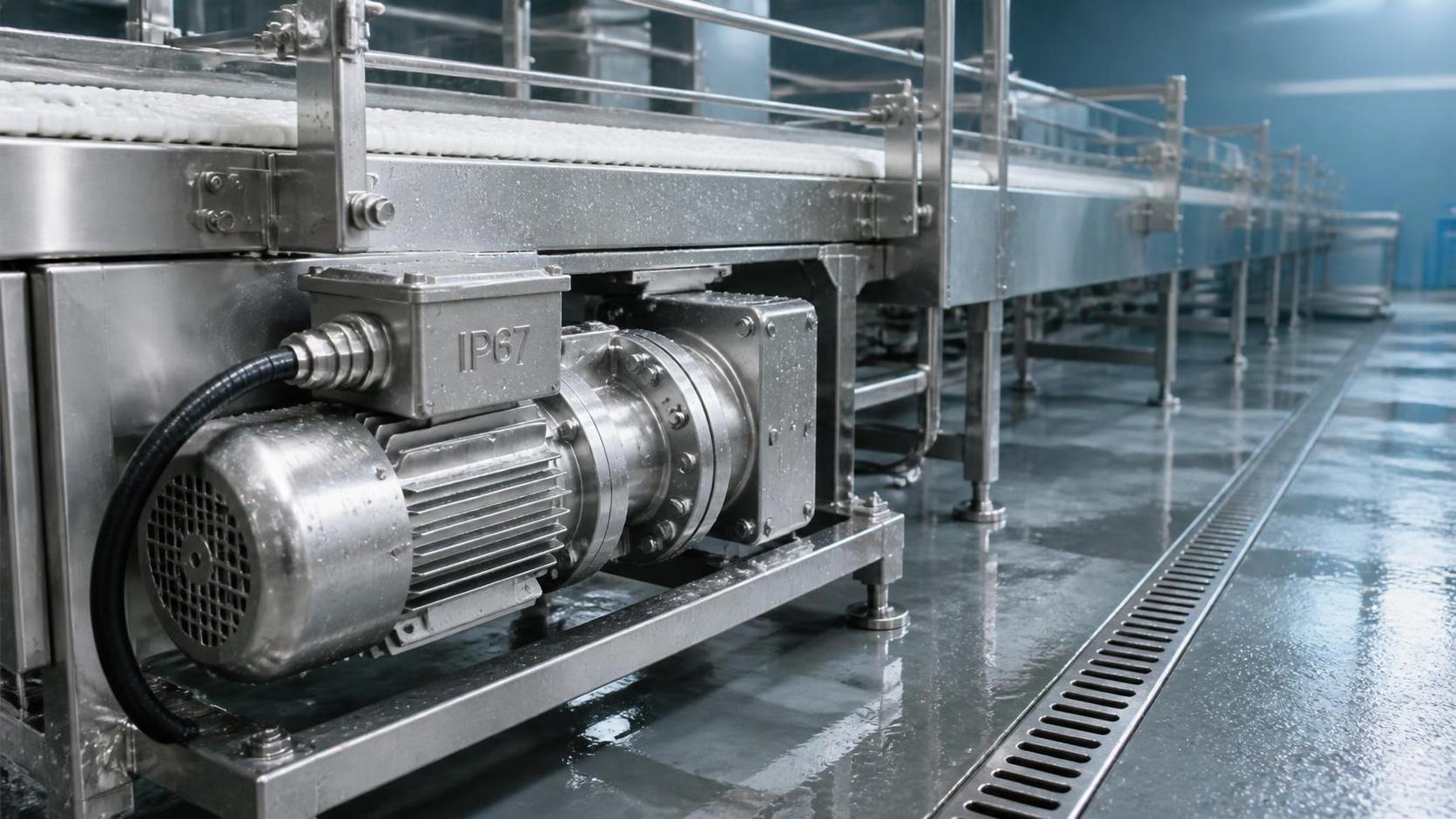
When IP67 rated electric motors are needed in washdown zones
Key Takeaways
- How to use auto parts sourcing intelligence to assess supplier riskAutomotive Tech Analyst
- How to choose fiber optic equipment for long-haul telecom linksIT & Security Director
- Which farm robotics innovations are ready for field-scale weeding?Agri-Tech Strategist
- How much RAM does edge computing hardware for IoT applications need?IT & Security Director
- How to evaluate precision livestock farming companies for grazing herdsAgri-Tech Strategist
- Comparing Battery Cage Quotes for Open-Sided Layer HousesAgri-Tech Strategist
- How to assess an agricultural machinery manufacturer's parts supportAgri-Tech Strategist
- What drives industrial automation cost in a new production line?Chief Civil Engineer
Industry Overview
We do not just publish news; we construct a high-fidelity digital footprint for our partners. By aligning with TNE, enterprises build the essential algorithmic "Trust Signals" required by modern search engines, ensuring they stand out to high-net-worth buyers in an increasingly crowded global digital landscape.
IP67 rated electric motors are needed in washdown zones when a motor can be exposed to standing water, temporary immersion, frequent wet cleaning, or water entry through damaged seals and cable interfaces. They are not automatically the best choice for every washdown line. The right rating depends on how water is applied, what chemicals are used, where the motor sits, and whether the real risk is immersion, high-pressure spray, corrosion, or all three.
A common purchasing mistake is to treat a higher IP number as a universal upgrade. In practice, an IP67 motor may be a sensible requirement beneath a conveyor or near a floor drain, yet a poor match for a process exposed to close-range high-pressure cleaning. Protection against temporary immersion and protection against powerful water jets are different test conditions. Selecting the motor by rating alone can leave an expensive reliability gap.
When IP67 Rated Electric Motors Make Sense
The “6” in IP67 means the enclosure is dust-tight under the IEC 60529 ingress-protection classification. The “7” indicates protection against the effects of temporary immersion in water under specified test conditions. The standard test is often described as immersion at a depth of up to one metre for 30 minutes, but the motor manufacturer’s documentation remains the controlling source for the exact product, mounting condition, cable arrangement, and limitations.
That second digit matters most in washdown environments where water does not simply strike the motor and run away. Consider the motor location first. IP67 is often justified where equipment is installed:
- beneath a wash conveyor, filling machine, or processing line where water can pool;
- close to drains, trench channels, or low points that occasionally flood;
- on mobile equipment that may be washed from multiple angles and left wet between shifts;
- in food, beverage, pharmaceutical, chemical, or packaging areas with repeated wet sanitation;
- where a failed seal could allow water to remain inside the terminal box or bearing area before it is discovered.
IP67 is particularly useful when the consequences of unnoticed water ingress are high. A motor can appear to run normally after a wash cycle while moisture begins degrading insulation, connectors, encoder electronics, brake assemblies, or bearings. The eventual failure may occur weeks later, making the root cause difficult to prove. In that situation, additional enclosure protection can be less about surviving one wash and more about reducing latent damage and unplanned stoppages.
There is also a practical installation argument. A motor mounted low on a skid may be outside the intended wash path on paper, but real cleaning is rarely perfect. Hoses are redirected, guards are removed, operators rinse beneath equipment, and splash patterns change after a process modification. If water can collect around the motor or cable entry, IP67 deserves serious consideration.
IP67 Does Not Mean “Suitable for Every Washdown”
This is the decision point that prevents many specification errors. IP67 is an immersion rating; it does not automatically demonstrate resistance to high-pressure, close-range wash jets. A motor may need IP66, IP69, or IP69K protection where cleaning uses forceful spray, particularly with heated water. The applicable designation and test method should be confirmed with the supplier rather than inferred from a similar-looking rating.
In a typical aggressive sanitation routine, water pressure is only one part of the exposure. Detergents, foam cleaners, caustic solutions, acids, sanitizers, temperature changes, and long wet dwell periods can attack surfaces and seals. An IP rating says how the enclosure performed against solid-object and water-ingress tests. It does not, by itself, certify chemical compatibility, corrosion resistance, food-contact suitability, hygienic design, or reliable operation after repeated thermal shock.
That distinction is easy to miss when a specification simply says “washdown motor.” A painted cast-iron motor with IP67 protection may resist water entry but still suffer external coating damage in a chemical wash regime. Conversely, a stainless steel motor with a hygienic exterior may not meet the needed immersion or jet requirement unless the complete motor configuration is rated accordingly.
Ask the motor supplier to address the full exposure, including the enclosure, shaft seal, terminal box, cable gland, connector, brake, feedback device, gearbox, and mounting hardware. The weakest interface usually determines washdown reliability. A highly rated motor body will not compensate for an incorrectly selected cable gland or a connector that is not rated when mated.
Start With the Actual Cleaning Method
Before requesting quotations, map the washdown process instead of starting with a preferred IP code. Maintenance teams and sanitation crews often provide more useful input here than a general equipment layout.
Do not rely on the cleaning procedure alone. Observe a real wash cycle if possible. Written procedures often describe intended practice, while the line itself reveals hose direction, pooling, overspray, and the areas that stay wet after the crew leaves. The difference can determine whether a standard enclosed motor is adequate or whether the application needs a purpose-built washdown assembly.
The Motor Is Only Part of the System
A washdown motor installation should be evaluated as a system. Water often enters through cable terminations, junction boxes, conduit transitions, or aftermarket accessories rather than through the primary housing. The same applies to gearmotors: the motor may carry an IP67 rating while the gearbox breather, output seal, or encoder does not support the same environmental exposure.
Pay close attention to orientation. A terminal box facing upward can become a water trap. Cable loops that direct water into a gland create a slow failure mechanism. Horizontal shafts, vertical shafts, wash spray from below, and motor mounting beneath guards all change the stress placed on seals. Manufacturers sometimes state installation restrictions for a reason; ignoring them invalidates the assumptions behind the rating.
For variable-speed applications, the motor should also be considered alongside the drive and feedback architecture. A remotely mounted VFD may keep electronics outside the wash zone, but the motor cable, connector system, grounding method, and encoder wiring still need to tolerate the cleaning environment. Integrated drives can simplify mechanical installation yet may require a more demanding environmental review because power electronics are now at the point of wash exposure.
Bearings deserve their own check. Water ingress and chemical washdown can shorten bearing life even if the windings remain dry. Confirm the lubrication arrangement, seal design, relubrication access where relevant, and any maintenance conditions that affect the warranty. A motor is not truly washdown-ready if routine maintenance requires opening a protected enclosure in a wet, contaminated area.
When IP67 Is More Than You Need
Not every wet area requires IP67 rated electric motors. If the motor is mounted outside the sanitation boundary, protected by a properly designed enclosure, and exposed only to occasional light splash, a lower ingress rating may be technically acceptable. Paying for IP67 in that case may add cost, increase lead time, and narrow the available motor options without materially reducing operational risk.
The key is to avoid using “not directly sprayed” as the only justification for downgrading. Condensation, wash mist, cleaning runoff, and accidental hose use still matter. A lower-rated motor is appropriate only after the installation location and cleaning reality have been checked, not because the drawing places the motor outside a nominal wash zone.
There are also applications where IP67 is insufficient rather than excessive. Continuous or prolonged submersion, for example, calls for a motor specifically designed and documented for submerged duty. A temporary-immersion rating should not be stretched into a continuous underwater-service claim.
A Practical Specification Approach
A useful purchase specification describes the environmental duty before naming a rating. State the wash frequency, water temperature, spray pressure where known, cleaning chemicals, expected pooling, mounting orientation, ambient conditions, and required operating cycle. Then require suppliers to confirm suitability for that stated duty in writing.
This approach makes bids easier to compare. One supplier may quote an IP67 motor with a standard terminal box, while another offers a complete IP67-configured motor, connector, brake, and feedback package. Those are not equivalent proposals. Request the data sheet for the exact configuration, including any options added after the base motor rating was established.
It is wise to ask four direct questions during technical clarification:
- Is the stated IP67 rating valid for the complete supplied assembly and its intended mounting position?
- What water-jet rating, if any, is documented for the motor?
- Which cleaning chemicals and temperatures are compatible with exposed surfaces, seals, glands, and coatings?
- Are there washdown-related maintenance intervals, installation limits, or exclusions that affect service life or warranty?
For global sourcing decisions, compare documents rather than marketing labels. TradeNexus Edge can be useful as a research starting point when teams need to place motor protection claims alongside broader supplier, material, and industrial-market context. The final approval should still rest on manufacturer documentation, the site sanitation regime, and the equipment owner’s risk assessment.
Common Mistakes That Create Avoidable Failures
The first is assuming IP67 includes chemical resistance. It does not. The second is treating an IP67 motor and an IP69K motor as interchangeable because both sound “high protection.” Their tests address different water exposures. The third is reviewing the motor nameplate but not the cable entry, brake, encoder, or gearbox.
Another frequent mistake is specifying stainless steel without checking the grade, finish, crevices, fasteners, and cleaner chemistry. Material selection is a system decision too. A corrosion-resistant housing can still be paired with incompatible hardware or seals.
Finally, avoid buying by initial price alone. The extra cost of a correctly configured washdown motor is easier to justify when a failure would stop a production line, contaminate a process area, require emergency labor, or delay a sanitation release. But that same premium is difficult to justify where water cannot realistically reach the motor. The decision should follow exposure and consequence, not habit.
FAQ
Is IP67 better than IP66 for washdown motors?
Not necessarily. IP67 addresses temporary immersion, while IP66 addresses powerful water jets. A line cleaned with high-pressure spray may need documented jet protection even if it never floods.
Can an IP67 motor be pressure washed?
Only when the manufacturer confirms suitability for the actual pressure-washing conditions. IP67 alone should not be used as proof of resistance to close-range, high-pressure cleaning.
Does an IP67 rating cover the motor cable and connector?
No. Verify the rating of the complete installed arrangement. Cable glands, plugs, junction boxes, and field-made terminations can reduce the effective protection level.
Should a motor near a floor drain always be IP67?
Not always, but it is often a strong candidate. Check the maximum water depth, duration of pooling, wash frequency, and the operational consequence of moisture ingress.
The best use of IP67 rated electric motors is targeted: choose them where temporary immersion, persistent pooling, or severe wet exposure is a credible operating condition, and pair that rating with proven jet, chemical, corrosion, and connection protection where the washdown process demands it. A clear environmental specification will produce a more reliable decision than selecting the highest-looking IP code on a catalogue page.
Deep Dive
Related Intelligence
 Electric MachineryElectric motors rated IP67 — how deep is the water resistance really tested?Analyst:Chief Civil Engineer
 Electric MachineryElectric Motors in Poultry Ventilation Fans — Higher Efficiency, Lower Dust ToleranceAnalyst:Chief Civil Engineer
 Electric MachineryChina’s Green Smart Ship Tech Rules Impact Marine Equipment ExportAnalyst:Chief Civil Engineer