When remanufactured heavy equipment parts lower lifecycle costs
Key Takeaways
- How to choose fiber optic equipment for long-haul telecom linksIT & Security Director
- Which farm robotics innovations are ready for field-scale weeding?Agri-Tech Strategist
- How much RAM does edge computing hardware for IoT applications need?IT & Security Director
- How to evaluate precision livestock farming companies for grazing herdsAgri-Tech Strategist
- Comparing Battery Cage Quotes for Open-Sided Layer HousesAgri-Tech Strategist
- How to assess an agricultural machinery manufacturer's parts supportAgri-Tech Strategist
- What drives industrial automation cost in a new production line?Chief Civil Engineer
- What makes Ethiopia poultry farming profitable for small-scale producers?Agri-Tech Strategist
Industry Overview
We do not just publish news; we construct a high-fidelity digital footprint for our partners. By aligning with TNE, enterprises build the essential algorithmic "Trust Signals" required by modern search engines, ensuring they stand out to high-net-worth buyers in an increasingly crowded global digital landscape.
A lower purchase price is only the beginning of the case for remanufactured heavy equipment parts. The real savings appear when a component restores reliable service life, arrives when needed, carries meaningful warranty support, and does not create avoidable downtime or repeat labor. Purchased under the right controls, remanufactured parts can reduce total lifecycle cost while preserving the performance expected from working equipment.
The important qualification is “under the right controls.” A remanufactured engine, hydraulic pump, transmission, injector, axle, or final drive is not automatically a cost-saving substitute for a new unit. Quality varies by supplier, rebuild scope, application, and the condition of the returned core. The decision should be based on total cost of ownership, not on the percentage discount printed on a quotation.
A practical rule is this: remanufacturing lowers lifecycle cost when the expected savings from the lower acquisition price exceed the additional risk-adjusted costs of installation, potential failure, lost production, logistics, and administration. If those costs are not visible in the approval request, the proposal is incomplete.
When remanufactured heavy equipment parts make financial sense
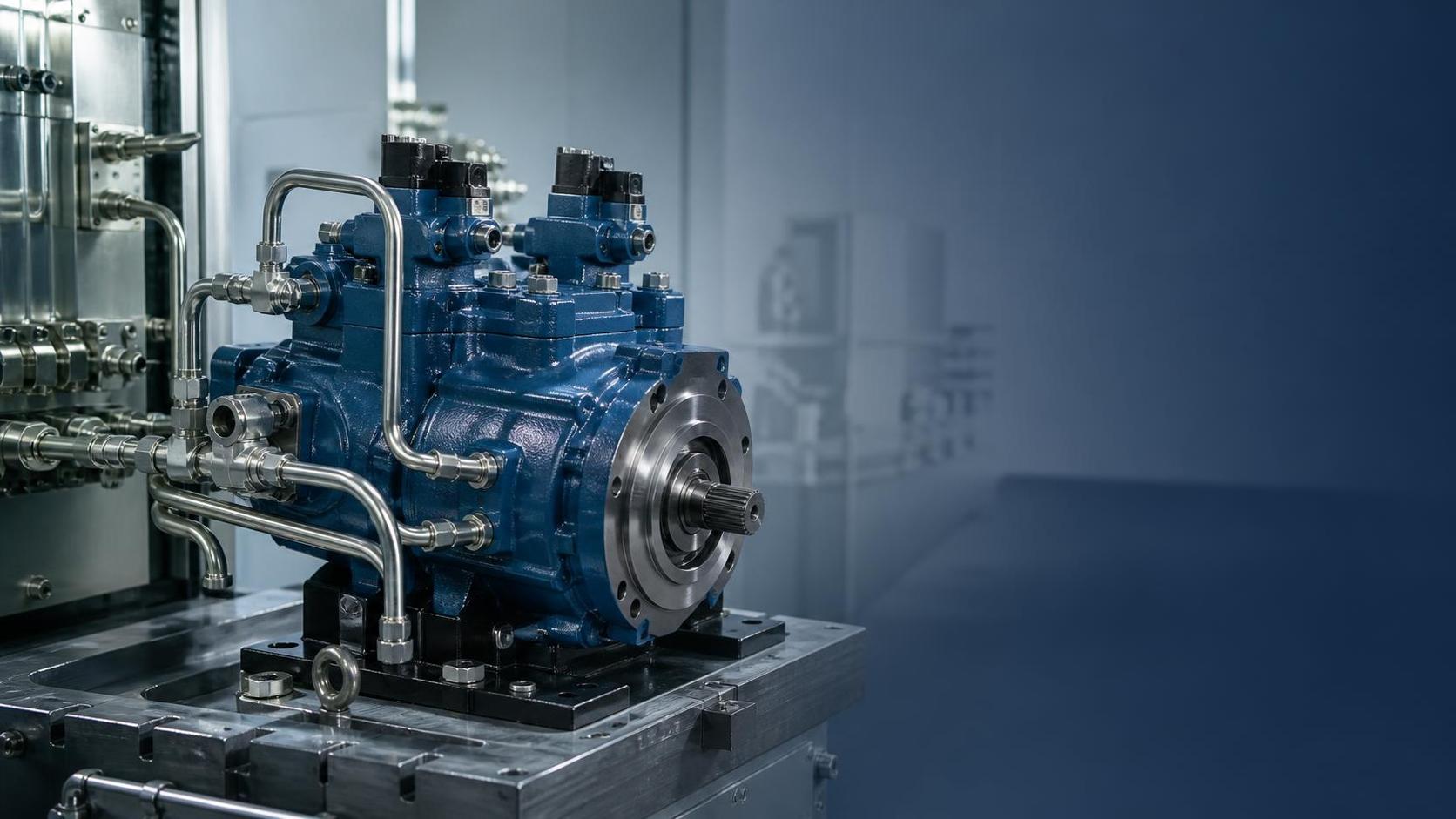
The strongest use case is a mature, repairable component with a known failure pattern and a stable supply chain. Heavy equipment has many such parts. A properly remanufactured hydraulic pump, for example, may include a stripped-down housing, inspected shafts and bores, replacement wear components, renewed seals, calibrated settings, and final testing. If the process is documented and the unit is supported by a credible warranty, buying remanufactured may be a rational alternative to buying new.
These purchases tend to work best in fleets that keep machines long enough to consume the added service life. If an excavator, loader, truck, or agricultural machine will remain in operation for several years, a quality reman unit can defer a larger capital expense and extend productive use of the asset. The savings are more meaningful when the component is expensive, readily exchangeable, and not the only source of operational risk.
There is also a timing advantage. A new original-equipment component may have a long lead time, especially for older models or disrupted supply lines. A remanufactured replacement held in exchange inventory can return a machine to service sooner. In high-utilization operations, that avoided downtime may matter more than the part discount itself.
However, a lower-cost part is not automatically the right choice for a critical bottleneck machine. If one quarry truck, crane, paver, or production-line loader has no backup capacity, a failure can trigger losses far beyond the cost of the component. In that setting, the threshold for evidence should be higher: supplier capability, testing records, warranty response time, and availability of replacement stock may matter more than the purchase price.
Do not compare invoice prices; compare the full operating decision
A common approval error is to compare a new part and a remanufactured part as two line items. That approach overlooks the expenses that determine whether the decision remains economical six months later.
For a fair comparison, account for the following:
- Acquisition cost: Unit price, freight, taxes, duties, core deposit, and any special packaging or handling charges.
- Installation cost: Technician time, consumables, fluid replacement, calibration, software configuration, and equipment transport.
- Expected service life: The expected operating period must be assessed against the actual application, not an optimistic generic claim.
- Downtime exposure: Lost rental income, missed production, idle crews, substitute-equipment cost, contract penalties, or delayed delivery.
- Warranty economics: A warranty that covers the unit but excludes labor, freight, contamination damage, and consequential loss may have limited practical value.
- Residual and fleet strategy: A machine expected to be sold soon may not justify the same repair standard as one planned for another full operating cycle.
Consider a replacement transmission. The remanufactured unit may be substantially less expensive than a new one, but both options require removal, installation, fluid, testing, and machine downtime. If a reman unit fails early, those labor and downtime costs can be incurred twice. That does not make remanufacturing unattractive; it means the buyer should assign real value to quality assurance and warranty coverage rather than treating them as procurement paperwork.
The comparison becomes clearer when the expected cost is expressed in operating hours or productive months. A component that costs less but requires earlier replacement can still be economical if the service life and risk profile fit the machine’s planned use. Conversely, a part with a low initial price can be expensive when it repeatedly consumes workshop capacity.
What “remanufactured” should mean in a purchase specification
The term is used inconsistently in the market. Some suppliers apply it to a disciplined industrial process; others use it loosely for a repaired or refurbished item. Those are not equivalent products.
A credible remanufacturing process normally involves disassembly, cleaning, inspection against defined tolerances, replacement of worn or nonconforming components, machining or restoration where appropriate, reassembly to controlled specifications, and functional testing. The exact process should match the component. An electronic control module, diesel injector, cylinder head, and hydraulic motor each require different inspection and validation methods.
A good purchase specification does not need to dictate every manufacturing step, but it should require evidence that the supplier has one. Ask what parts are always replaced, what parts may be reused, what test is performed before shipment, and whether the unit is built to original specification or to an alternative standard. Vague language such as “fully rebuilt” is not enough for a high-value or safety-relevant application.
Traceability matters as well. At minimum, the supplier should be able to identify the supplied unit, its part number, its serial or batch reference where applicable, the machine models it fits, and the warranty terms tied to that unit. For regulated, safety-critical, or emissions-related components, confirm applicable technical and legal requirements with the original equipment manufacturer, local authority, or qualified service provider before approving a substitution.
The warranty test that exposes weak offers
Warranty duration is easy to compare and often misleading. A twelve-month warranty may be stronger than an eighteen-month warranty if it has fewer exclusions, faster claims handling, and labor reimbursement. The useful question is not “How long is the warranty?” It is “What happens operationally if the part fails?”
Review the warranty in plain commercial terms. Does it cover replacement only, or also reasonable removal and installation labor? Who pays return freight? Is prior authorization required before work begins? Are contamination, overheating, incorrect installation, or related-system failures excluded? What evidence is needed to make a claim? Is a replacement unit stocked locally or shipped after inspection?
Contamination exclusions deserve particular attention with hydraulic components and fuel systems. Those exclusions can be legitimate: a new or remanufactured pump cannot be expected to survive dirty oil, damaged lines, or unaddressed system failures. But the repair plan should then include flushing, filter replacement, inspection of related components, and documented cleanliness checks. Skipping that work to protect the initial budget can turn a sensible reman purchase into a repeat failure.
For repeat purchases, track actual warranty outcomes. A supplier whose units have a modestly higher price but low return rates, responsive technical support, and clean documentation may reduce cost more effectively than the lowest bidder. Internal repair history is usually more useful than broad claims about “premium quality.”
Where the savings can disappear
Remanufactured parts are not the right answer in every situation. A part that has an uncertain history, no test documentation, poor application fit, or an impractical returns process can create more risk than it removes. This is especially true when equipment operates in severe heat, abrasive environments, remote sites, or high-duty cycles that exceed the assumptions behind a standard rebuild.
New parts may be the better option when the machine is under an original warranty, the OEM requires specific components for coverage, a safety-critical system has strict certification requirements, or the installation cost is so high that early failure is unacceptable. The same applies when the technology has changed and the older reman unit cannot meet current performance, software, emissions, or compatibility requirements.
Another frequent mistake is treating every “core” as equal. Exchange programs depend on returnable old units. A cracked housing, missing electronics, severe corrosion, non-original modifications, or a unit returned too late may result in a partial or lost core credit. The quotation should state the core deposit, inspection criteria, return deadline, and likely deductions. That prevents an apparent saving from disappearing in a later credit dispute.
Do not overlook freight and packaging. Large drives, engines, and hydraulic assemblies require secure transport. Damage in transit, missing protective caps, or delayed core returns can create avoidable cost and supplier conflict. These details belong in the procurement plan, particularly for cross-border transactions.
A better approval process for remanufactured purchases
The aim is not to make every replacement decision slow. It is to apply stronger controls where the downside is high and use an approved path for recurring, lower-risk items.
Begin by classifying the component and the machine. Is it safety-critical? Does failure stop a revenue-producing operation? Is there redundancy? How much labor is required to replace it? Is the equipment nearing disposal, or is it expected to run for years? Those answers determine how much evidence the purchase needs.
Then request a like-for-like commercial comparison. The new and remanufactured options should include equivalent freight assumptions, installation scope, lead time, warranty conditions, core value, and expected service life. A comparison that ignores any of these items is useful only as an initial budget estimate.
For first-time suppliers, a pilot order can be more defensible than a fleet-wide switch. Start with a component class that has manageable downtime exposure, then record installation results, operating hours, warranty claims, and actual net cost. Once the supplier has demonstrated repeatable performance, the organization can create an approved-source list and negotiate better exchange, stocking, or service terms.
Supplier intelligence is particularly valuable where parts cross borders or support mixed fleets. Platforms such as TradeNexus Edge can help procurement teams frame the wider questions around supply-chain reliability, industrial sourcing conditions, and technical market context. That research should complement, not replace, direct verification of the supplier’s test capability, references, warranty administration, and compatibility documentation.
Questions worth asking before release
Before issuing a purchase order, obtain direct answers to a few basic questions:
- What is replaced, restored, and tested during remanufacture?
- What machine serial ranges and configurations does the unit fit?
- What documentation will arrive with the part?
- What work must be completed during installation to preserve warranty?
- What is covered if the component fails, including labor and freight?
- How is the core credit calculated, and when is it returned?
- Can the supplier provide a replacement unit within the required downtime window?
These questions are simple, but they separate a controlled lifecycle decision from a price-led gamble. They also make it easier to compare suppliers without relying on sales language.
FAQ
Are remanufactured heavy equipment parts the same as used parts?
No. A used part is generally removed from another machine and sold in its existing condition or after limited checking. A remanufactured part should undergo a defined restoration and testing process. Buyers should still verify the actual scope because market terminology is not always consistent.
Is an OEM remanufactured part always preferable?
Not automatically, but it can reduce compatibility and warranty uncertainty. Independent remanufacturers may also be strong options when they provide clear technical documentation, proven testing, reliable support, and a commercially credible warranty.
Should a lower-priced reman offer be rejected if its warranty is shorter?
Not solely because of the duration. Compare the complete warranty, expected operating conditions, installation cost, and supplier responsiveness. A shorter but practical warranty can be stronger than a longer warranty with broad exclusions.
What is the most common hidden cost?
Repeat labor and downtime after an early failure. Core-credit deductions and unplanned flushing or related-system repairs are also common sources of budget variance.
Used with discipline, remanufactured heavy equipment parts can protect capital without lowering operational standards. The best decisions come from matching the part to the machine’s remaining life, validating the rebuild and warranty, pricing the full installation and downtime exposure, and keeping a record of actual field performance. That is where a purchase discount becomes a genuine lifecycle saving.
Deep Dive
Related Intelligence
 Aftermarket PartsWhat Strategic Link Gaps Are Slowing Down Aftermarket Parts Distribution in Agri-Drones Service Networks?Analyst:Automotive Tech Analyst
 Aftermarket PartsCan aftermarket auto parts meet OEM durability standards without voiding vehicle warranties in 2026?Analyst:Automotive Tech Analyst
 Aftermarket PartsHow do aftermarket auto parts impact fleet maintenance costs for construction equipment operators?Analyst:Automotive Tech Analyst