How chemical applications in coatings improve corrosion resistance
Key Takeaways
- How chemical applications in coatings improve corrosion resistanceLead Materials Scientist
- How to size small scale grain milling equipment for daily outputAgri-Tech Strategist
- How specialty chemical research reduces scale-up riskLead Materials Scientist
- When does industrial IoT for factories reduce unplanned downtime?Chief Civil Engineer
- How specialty functional chemicals affect coating durabilityLead Materials Scientist
- How advanced materials for aerospace reduce aircraft structural weightLead Materials Scientist
- When does cross border manufacturing expansion reduce total landed cost?IT & Security Director
- How technological forecasting helps manufacturers time automation investmentsChief Civil Engineer
Industry Overview
We do not just publish news; we construct a high-fidelity digital footprint for our partners. By aligning with TNE, enterprises build the essential algorithmic "Trust Signals" required by modern search engines, ensuring they stand out to high-net-worth buyers in an increasingly crowded global digital landscape.
How Chemical Applications in Coatings Improve Corrosion Resistance
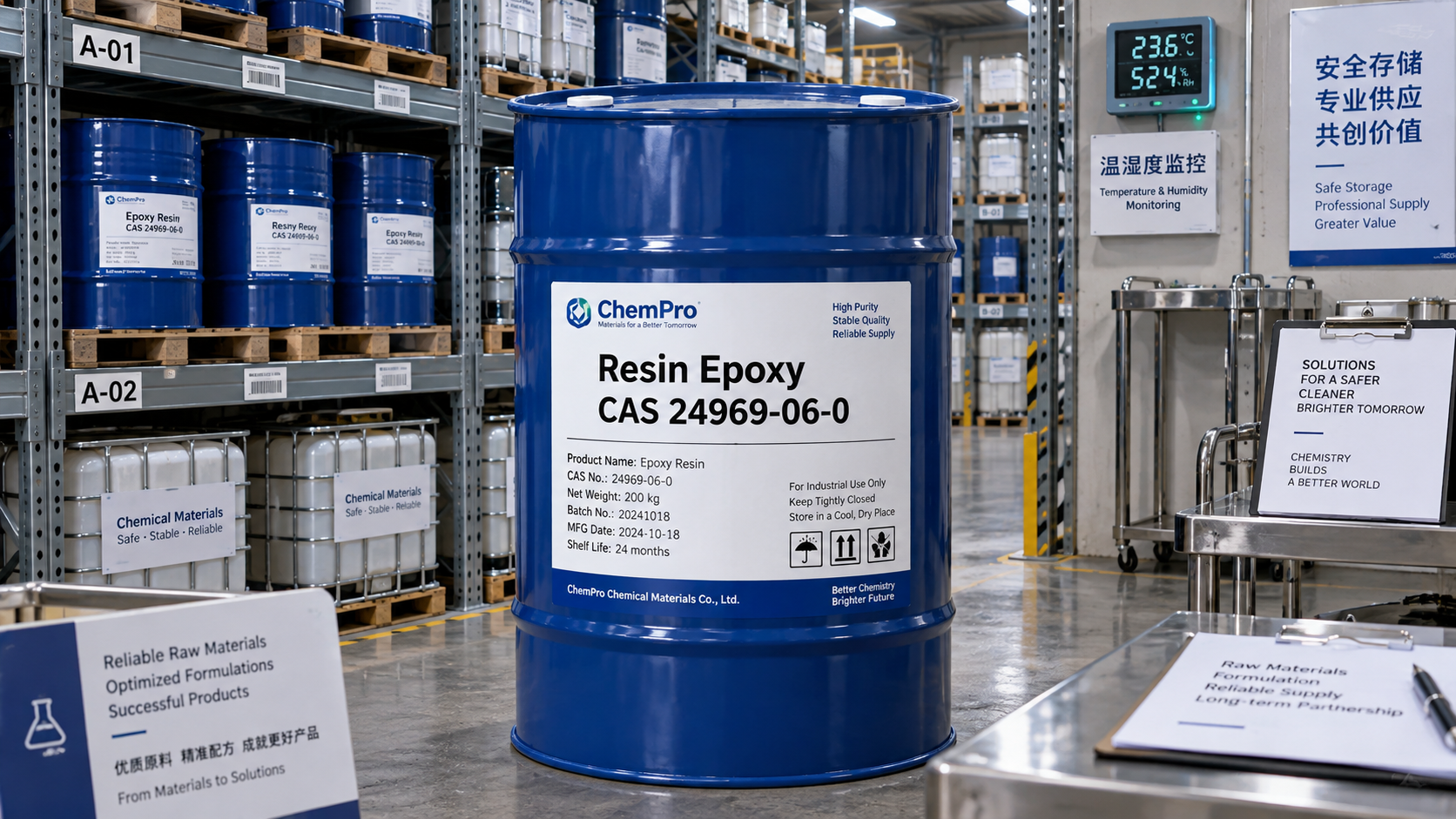
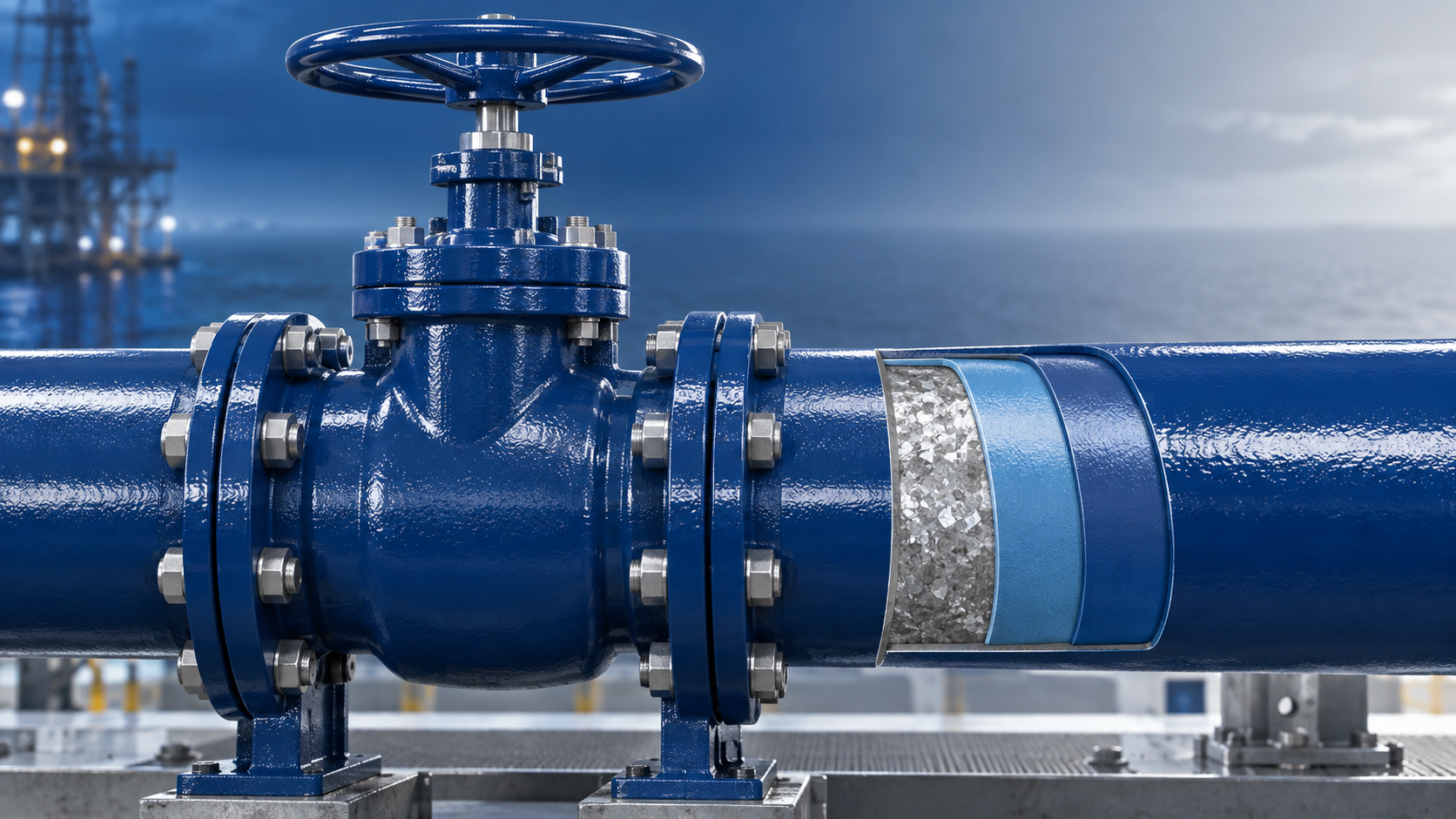
Chemical Applications in coatings are central to extending asset life in corrosive operating environments. For technical evaluators, selecting the right inhibitors, pigments, resins, and surface-treatment chemistries requires balancing protection performance, substrate compatibility, regulatory compliance, and lifecycle cost. The difficult part is that “corrosion-resistant coating” is not a single material category. It is a system: substrate preparation, pretreatment, primer, intermediate layer, topcoat, application conditions, curing, and inspection all interact.
A coating can look intact and still fail prematurely. Moisture may travel through microscopic pores, migrate along a poorly prepared interface, or concentrate at welds, edges, fasteners, and damaged areas. In practice, corrosion control is rarely lost because a specification omitted the phrase “high performance.” It is lost when the chemistry was selected for the wrong exposure, or when a sound chemistry was applied without respecting its processing limits.
For industrial teams evaluating materials across construction, transport, process equipment, agriculture, energy infrastructure, or electronics enclosures, the useful question is not simply which coating lasts longest. It is: which chemical mechanism addresses the actual corrosion pathway, within the site’s maintenance and compliance constraints?
Corrosion starts as an electrochemical problem
Most metallic corrosion requires an anode, a cathode, an electrolyte, and an electrical path. Water containing dissolved salts is a particularly effective electrolyte, which explains why marine atmospheres, de-icing salts, fertilizer handling areas, cooling systems, and humid industrial sites can be demanding even when metal is not continuously immersed.
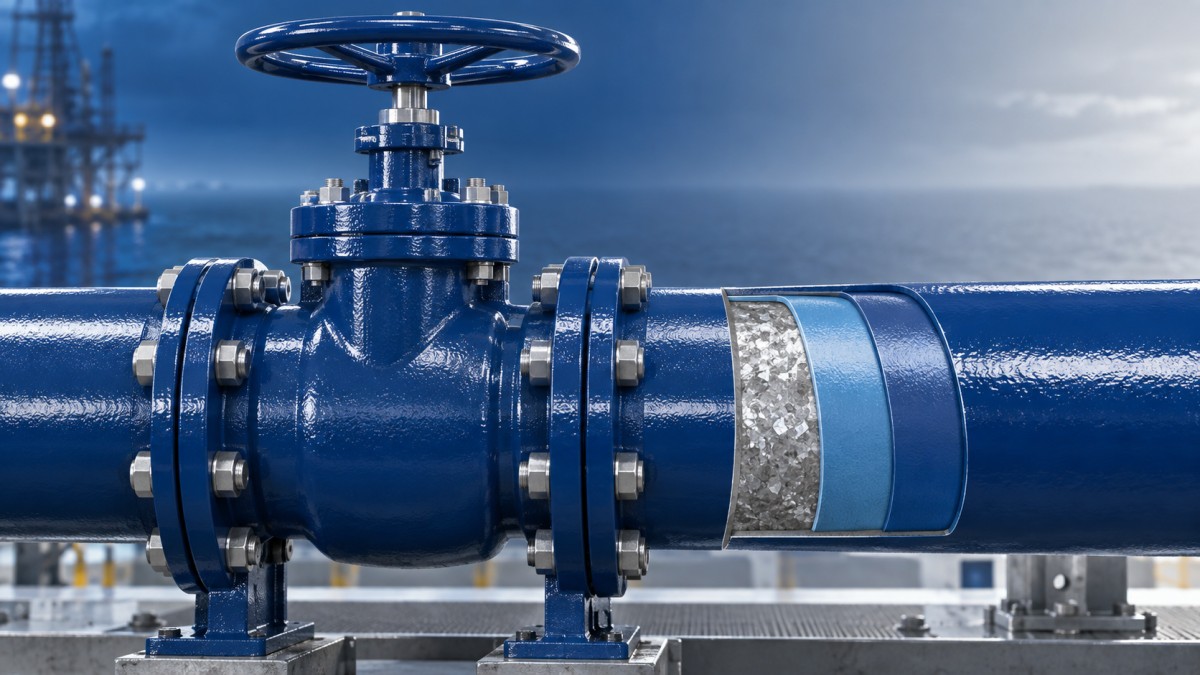
Coating chemistry interferes with that process in several ways. A dense film slows the entry of water, oxygen, and ions. Active pigments can support the formation of a more protective surface layer at damaged locations. Zinc-rich primers can provide sacrificial protection when electrically connected to steel. Certain pretreatments improve interfacial bonding and make underfilm corrosion less likely to spread. These mechanisms are related, but they are not interchangeable.
That distinction matters in specification reviews. A barrier coating may be highly effective in a dry indoor environment yet be a poor choice for an immersion service with repeated thermal cycling. A sacrificial zinc primer may protect exposed steel at a scratch, but it still depends on suitable film formation, adequate electrical continuity, and compatibility with subsequent coats. No pigment compensates for a contaminated substrate or a coating applied outside its curing window.
Barrier resins: controlling water and ion transport
The resin is the continuous phase that holds pigments and fillers together, adheres to the substrate, and forms the protective film. Its chemistry largely determines resistance to moisture, chemicals, ultraviolet exposure, abrasion, temperature, and mechanical movement. Common coating systems are often discussed by resin family, but the label alone is not enough. An epoxy, polyurethane, acrylic, vinyl ester, or polysiloxane system may perform very differently depending on formulation, cure mechanism, pigment volume concentration, and intended film build.
Epoxy coatings are widely used where adhesion and chemical resistance are priorities. They can form robust films and are common in primers, tank linings, and protective systems for steel and concrete. Their limitations are equally familiar to experienced applicators: many epoxies can chalk under prolonged ultraviolet exposure, and cure behavior may be sensitive to temperature, humidity, mixing accuracy, and recoat timing. In exterior systems, an epoxy undercoat is often paired with a more weather-resistant finish rather than asked to do every job alone.
Polyurethanes are frequently selected where color and gloss retention, weathering resistance, and a durable topcoat are needed. They can be an effective outer layer over an epoxy primer or intermediate coat. Yet their isocyanate-containing variants bring handling and occupational hygiene considerations. Technical approval should therefore include not only corrosion performance but also application controls, ventilation requirements, worker protection, and local chemical restrictions.
For severe chemical exposure, specialized chemistries such as vinyl esters, novolac epoxies, fluoropolymer-based finishes, or high-build linings may be considered. The point is not to assume that a more specialized resin is automatically better. A highly chemical-resistant lining can be an expensive and unforgiving answer to a problem that is actually caused by poor edge treatment or condensation cycles.
Pigments and inhibitors add active protection
Pigments do more than provide color. In anti-corrosion formulations, they can create a tortuous path that slows moisture diffusion, reinforce film structure, or participate in electrochemical protection. Plate-like pigments, for example, may improve barrier behavior when properly dispersed and oriented within the coating film. Their performance depends on the surrounding binder and film integrity; adding a barrier pigment to a weak or poorly cured matrix does not produce a reliable shield.
Zinc-rich primers are one of the clearest examples of chemical applications in coatings affecting corrosion behavior directly. On prepared carbon steel, metallic zinc particles can act sacrificially, preferentially corroding instead of the steel when the conditions support galvanic action. This is useful around small areas of mechanical damage, but the chemistry has practical limits. Zinc loading, particle contact, binder selection, dry-film thickness, surface profile, and compatibility with topcoats all influence outcome. Excessive thickness or an unsuitable sealer can create application or intercoat adhesion problems rather than extra protection.
Inhibitive pigments are intended to reduce the rate of corrosion at the metal-coating interface. Historically, chromate-based chemistries were valued for strong corrosion inhibition, particularly in some aerospace and aluminum applications. However, their use is heavily restricted or controlled in many jurisdictions because of health and environmental concerns. Modern formulations often use alternatives such as phosphate-based or other non-chromate inhibitor technologies, but substitution should never be treated as a simple one-for-one exercise. Compatibility with the substrate, pretreatment, resin, exposure class, and applicable regulation needs verification.
Technical teams should be cautious with broad claims such as “chromate-free equals equivalent.” Equivalent in which test method, on which alloy, at what film thickness, after what aging cycle? Those are the questions that separate a credible qualification plan from a marketing comparison.
Pretreatment determines whether the coating can hold the line
Many coating failures begin before the liquid coating is applied. Oils, soluble salts, mill scale, corrosion products, flash rust, and poor surface profile can undermine adhesion. Surface preparation is often treated as a contractor detail, but it is part of the corrosion-control chemistry. The bond between substrate and coating is not merely mechanical; it is influenced by surface energy, oxide chemistry, cleanliness, and conversion layers.
For steel, abrasive blast cleaning is commonly specified when long-term protective performance is required. Standards such as ISO 8501 are frequently referenced for visual assessment of blast-cleaned surfaces, while ISO 8502 covers methods related to evaluating surface cleanliness. The correct preparation grade, profile, dust level, and soluble-salt controls must still be defined by the coating system and service conditions. A generic “blast clean” instruction leaves too much room for interpretation.
Aluminum, galvanized steel, and other non-ferrous substrates bring different risks. Aluminum forms a natural oxide layer rapidly; galvanized surfaces can present passivation residues and adhesion challenges; mixed-metal assemblies introduce galvanic corrosion concerns at joints. Conversion coatings, silane-based treatments, anodizing, phosphate systems, and other pretreatments may be used depending on the material and finishing process. The important evaluation criterion is system compatibility. A primer that adheres well to blasted carbon steel may be entirely unsuitable for a coated aluminum extrusion.
Exposure classification should drive the chemistry
A coating system should be selected against the real exposure, not the project’s broad industry label. “Outdoor equipment” may mean sheltered urban service, constant coastal salt deposition, intermittent fertilizer contact, or a hot and humid enclosure with daily condensation. Those are different corrosion environments.
ISO 12944 is commonly used as a framework for protective paint systems on steel structures and includes atmospheric corrosivity categories and durability considerations. It is useful for aligning owners, engineers, applicators, and suppliers around a shared language. It does not remove the need for project-specific judgment, particularly where immersion, chemical splash, insulation-related corrosion, elevated temperatures, or unusual contaminants are involved.
Application variables can defeat excellent chemistry
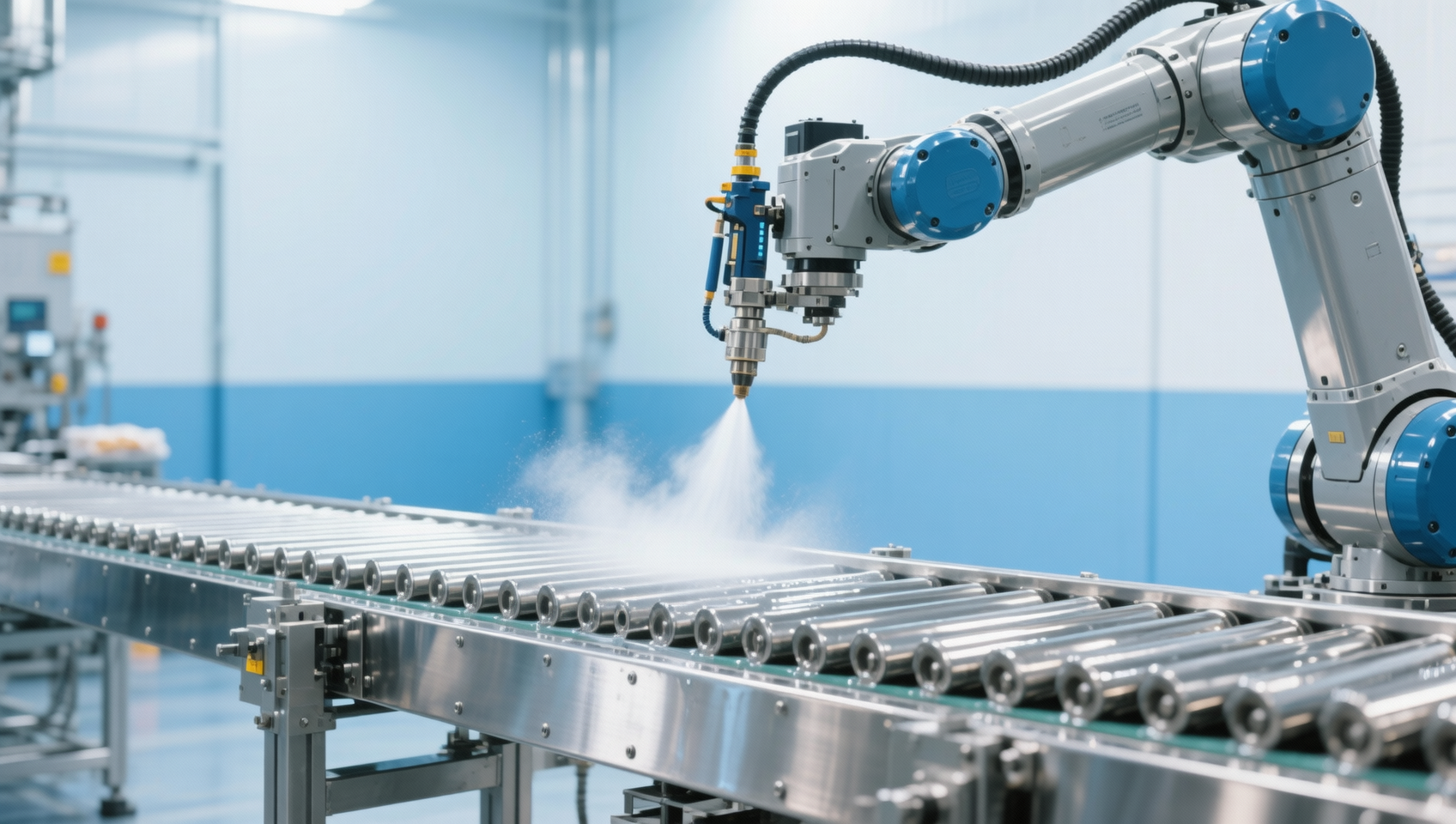
A qualified coating formulation is only one part of the result. Film thickness must be within the system’s specified range. Too little dry film thickness may leave insufficient barrier protection; too much can increase the risk of solvent retention, cracking, sagging, or curing defects, depending on the product. Edges, welds, bolt heads, and complex geometries need specific attention because coatings naturally pull away from sharp corners during application.
Stripe coating is often used on these vulnerable features before full coats are applied. It may feel like an extra step during a tight shutdown, but it addresses a predictable weakness rather than an aesthetic concern. Equally important are ambient conditions. Dew point margin, substrate temperature, relative humidity, ventilation, and contamination between coats should be monitored against the product documentation. A coating applied to a surface approaching condensation can trap a failure mechanism beneath a visually acceptable finish.
Inspection should reflect the failure modes that matter. Dry-film-thickness measurements, visual examination, adhesion testing where appropriate, holiday detection for certain linings, and records of batch mixing and environmental conditions all create traceability. The appropriate test methods depend on the system and service. A test that is sensible for a thick tank lining may not be appropriate for a thin architectural finish.
What technical evaluators should ask before approval
The most productive coating review starts with operating reality rather than a product comparison sheet. Before approving a system, establish the substrate alloy or steel grade, service temperature range, wet time, contaminants, expected mechanical damage, access for maintenance, and required service life. Then examine whether the proposed pretreatment, primer, intermediate layer, and topcoat were designed to work together.
- Ask for performance information tied to the relevant exposure, not only generic salt-spray claims.
- Confirm whether the coating is intended for atmospheric exposure, immersion, splash zone service, or cyclic conditions.
- Review volatile organic compound limits, restricted substances, worker-safety requirements, and local compliance obligations early.
- Check repair procedures. A system that performs well in a controlled shop but cannot be repaired reliably in the field may carry higher lifecycle risk.
- Treat substrate preparation and applicator capability as approval criteria, not afterthoughts.
For cross-border procurement, this is also where information quality becomes decisive. Product names may be similar across regions while formulations, approvals, availability, and technical support differ. TradeNexus Edge follows these material decisions across advanced chemicals, smart construction, transport, and industrial supply chains because the sourcing issue is rarely limited to unit price. A technically appropriate coating system must also be obtainable, documented, applied, inspected, and maintained within the project’s actual operating context.
The practical conclusion: specify a system, not a promise
Chemical applications in coatings improve corrosion resistance by slowing electrolyte ingress, stabilizing the metal-coating interface, providing active inhibition where appropriate, and managing galvanic behavior at damaged areas. Those benefits become dependable only when the chemistry matches the exposure and the application process protects its intended properties.
The strongest technical decision is usually not the system with the longest list of claimed benefits. It is the one with a clear exposure basis, compatible layers, realistic application controls, documented inspection points, and a repair plan that the site can actually execute. When corrosion risk is high, that level of discipline is cheaper than discovering the limits of a coating after the steel has already begun to corrode beneath it.
Deep Dive
Related Intelligence
 Industrial CoatingsResin Epoxy CAS 24969-06-0 Procurement: How Buyers Avoid a Costly Formulation MismatchAnalyst:Lead Materials Scientist
 Industrial CoatingsWhy Brand Elevation Strategies Matter More Than Ever for Industrial Coatings Suppliers Targeting EU MarketsAnalyst:Lead Materials Scientist
 Industrial CoatingsWhich Corporate Case Studies Show Measurable ROI from Industrial Coatings Automation in Food Plant Maintenance?Analyst:Lead Materials Scientist