ArcelorMittal Raises Flat Steel Prices in Europe
Key Takeaways
- AngloGold Ashanti and Peninsula Energy Disclose Separate Cyber IncidentsIT & Security Director
- Egypt Plans Local EV Battery Production by Mid-2027Automotive Tech Analyst
- ArcelorMittal Raises Flat Steel Prices in EuropeLead Materials Scientist
- How to verify EN 12810 compliance when buying scaffolding wholesaleChief Civil Engineer
- OpenRouter Removes Three AI Inference Providers After Prompt TheftIT & Security Director
- How to verify supplier credentials in global chemical sourcingLead Materials Scientist
- National Cybersecurity Standards Committee Seeks Feedback on Three GuidelinesIT & Security Director
- How to verify specialty chemical exporters in IndiaLead Materials Scientist
Industry Overview
We do not just publish news; we construct a high-fidelity digital footprint for our partners. By aligning with TNE, enterprises build the essential algorithmic "Trust Signals" required by modern search engines, ensuring they stand out to high-net-worth buyers in an increasingly crowded global digital landscape.
ArcelorMittal has announced another increase in flat steel prices in Europe, according to the supplied news summary dated November 23, 2026. The precise date on which the increase occurred is not specified. The announcement is a commercial pricing development; the input does not identify a change in law, regulation or industry standard. It nevertheless warrants attention from steel buyers, manufacturers and supply-chain participants because changes in supplier pricing can affect purchasing decisions, contract discussions and delivery planning.
Another Increase After Weeks of Rising Prices
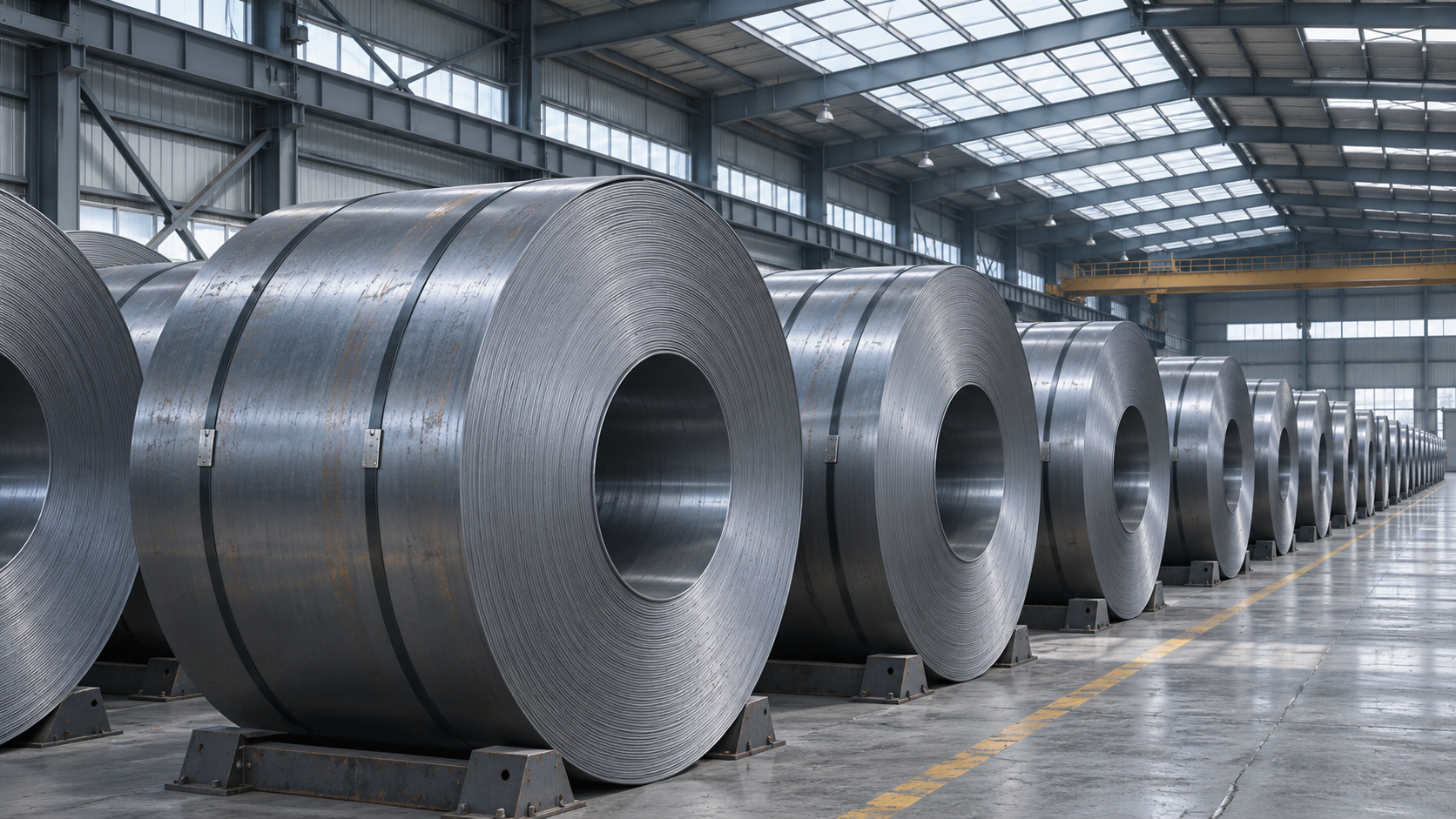
The supplied information states that ArcelorMittal, a global steel producer, announced another increase in prices for flat steel products in the European market. The products include hot-rolled coil.
According to the summary, steel prices in the region had risen for several consecutive weeks before the announcement. It describes the increase as reflecting a market in which recovering demand and costs are contributing to upward price pressure, with a direct effect on downstream manufacturing and supply-chain costs. The input does not specify the amount of the increase or provide detailed pricing or implementation terms.
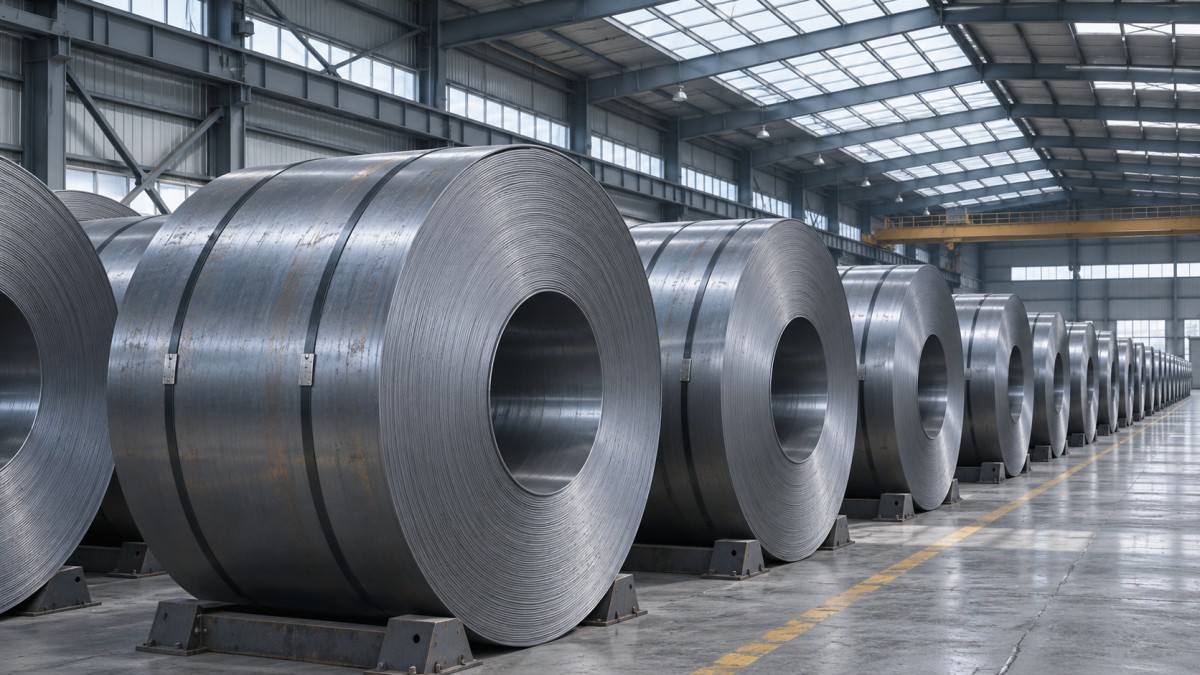
Where a Higher Steel Price May Travel Through the Supply Chain
Purchasers Face a More Time-Sensitive Quotation Process
From a purchasing perspective, the announced increase may change the cost assumptions used when buyers compare offers or prepare orders for flat steel. The practical effect on an individual transaction would depend on the product, the applicable quotation and the terms agreed with the supplier. The available information does not establish whether a particular existing order or contract is affected.
Buyers may therefore benefit from checking which quotations remain available, what material each quote covers and when the supplier expects the quoted terms to apply. For hot-rolled coil in particular, a price comparison is more useful when it also takes account of the specification and delivery terms. A lower quoted figure alone may not represent the same purchase if those details differ.
Manufacturers May Need to Revisit Cost Assumptions
For manufacturers using flat steel, analysis suggests that higher purchase prices could put pressure on product costs where material is a significant input. The size and timing of any effect would vary with inventory, purchasing arrangements and the ability to agree prices with customers. None of those conditions is specified in the input, so a uniform effect across manufacturers cannot be assumed.
The issue may arise at several points: when preparing a customer quotation, placing a material order, planning production or agreeing a delivery schedule. A manufacturer working from an earlier steel price could find that a later supplier offer changes the expected margin on a proposed order. Whether that cost can be reflected in a customer price would depend on the relevant commercial agreement, not on the announcement alone.
Traders and Supply-Chain Partners May See More Renegotiation
Companies that trade, process or arrange delivery of flat steel may need to reconcile supplier offers with commitments already discussed with customers. Analysis suggests that a period of repeated price increases can make the timing of a quotation more consequential, especially where a sale and the corresponding material purchase have yet to be finalized.
These participants may also need to check whether quoted material, quantities and delivery arrangements remain available on the terms presented. The input does not establish a shortage or a change in delivery lead times. The point for supply-chain planning is to verify those terms for each transaction rather than infer them from the price announcement.
Turning the Price Signal Into Purchasing Decisions
Confirm the Scope and Timing of Each Offer
As a practical response, purchasers can ask suppliers to identify the products covered by a quotation, its validity period and the proposed delivery terms. They can also check whether a new offer concerns an existing commitment or a potential future order. Those questions matter because the supplied summary does not explain how ArcelorMittal's announced increase is applied to individual customers or transactions.
Procurement teams may find it useful to keep the relevant quotation, order confirmation and subsequent correspondence together. This can make it easier to establish which commercial terms were discussed and which were accepted if prices change during negotiations. Such documentation is a prudent commercial practice, not a new regulatory requirement identified by this news.
Review Customer Quotes and Contract Exposure
Manufacturers and traders can compare current material offers with the assumptions behind outstanding customer quotations. Where a sale has not been finalized, they may consider whether its price and validity period still reflect the cost of sourcing the specified steel. Where an agreement is already in place, the relevant contract terms should be reviewed before either party assumes that a price can be changed.
Analysis suggests that coordination between purchasing and sales is especially useful when several negotiations are moving at once. A clear record of the material price used in each proposal can help identify where a new supplier offer might alter the expected economics. The announcement itself does not establish a right to revise any customer price.
Check Specifications Before Considering Alternatives
If buyers assess alternative flat steel products or supply arrangements, they should first verify whether the proposed material meets the specifications agreed for the intended application. A possible saving has limited value if a change requires customer approval, additional testing or revisions to production planning. The need for those steps depends on the product and the parties' existing requirements; the input identifies no new certification or testing rule.
Businesses may also compare delivery commitments alongside price. An alternative offer could change the timing or sequence of a purchase, but the available information does not show that any particular alternative is available or suitable. Verification with the relevant supplier and, where appropriate, the customer remains necessary before a substitution is adopted.
Keep Plans Flexible While Details Remain Unclear
Procurement and production teams can review upcoming material needs against existing commitments and request updated information before making decisions that depend on price or delivery timing. This does not imply that companies should purchase early or increase stock: the right approach depends on their own contracts, requirements and assessment of available offers.
What deserves closer attention is whether subsequent supplier quotations confirm a broader change in transaction terms, and how customers respond during negotiations. Those developments may help individual businesses assess their exposure, but they are not established by the summary provided.
A Commercial Signal, With Wider Execution Still to Be Observed
At this stage, the announcement is best understood as a supplier pricing signal in a European market described by the input as having experienced several weeks of increases. It is not evidence, on the information supplied, that a new public policy, trade rule, certification requirement or industry-wide pricing rule has taken effect.
Analysis suggests that the announcement's wider significance will depend on execution: the products and orders covered, the timing and terms offered to customers, and the response of other market participants. The supplied information does not establish those details. Nor does it establish that prices will continue to rise, that all buyers will face the same increase, or that downstream companies will be able to pass higher costs to their customers.
Market participants can monitor subsequent company communications and industry reporting for clarification, while checking the terms of their own transactions directly. Any later policy or trade development would require separate verification before being treated as relevant to this announcement.
What the Announcement Means for Current Decisions
ArcelorMittal's announced increase gives buyers and sellers of European flat steel a reason to review the price assumptions behind current negotiations and planned purchases. The supplied summary also points to potential cost consequences for downstream manufacturing and supply chains. The scale of any effect on a particular business remains dependent on its material needs and commercial terms.
The measured response is to treat the news as a reported commercial development, verify the terms applicable to each transaction and continue observing market feedback. A change in one supplier's announced pricing should not, by itself, be treated as a confirmed change in regulation or as a complete account of future market prices.
Basis for This Report and What Still Needs Verification
This article was prepared from the user-provided news title, event-time field and event summary. The event-time field says the event date is not specified, while the summary associates the announcement with November 23, 2026. The input provides no specific official source link, so the announcement and its detailed terms still require verification.
Further checks could include company announcements, relevant industry reporting and feedback from suppliers and customers. Useful points to verify include the products and transactions covered, the timing of the price change, subsequent quotations and any effect on purchasing or delivery arrangements. Any separately reported changes to trade rules, certification requirements or other policy details would also need to be checked against their original sources.
Deep Dive
Related Intelligence
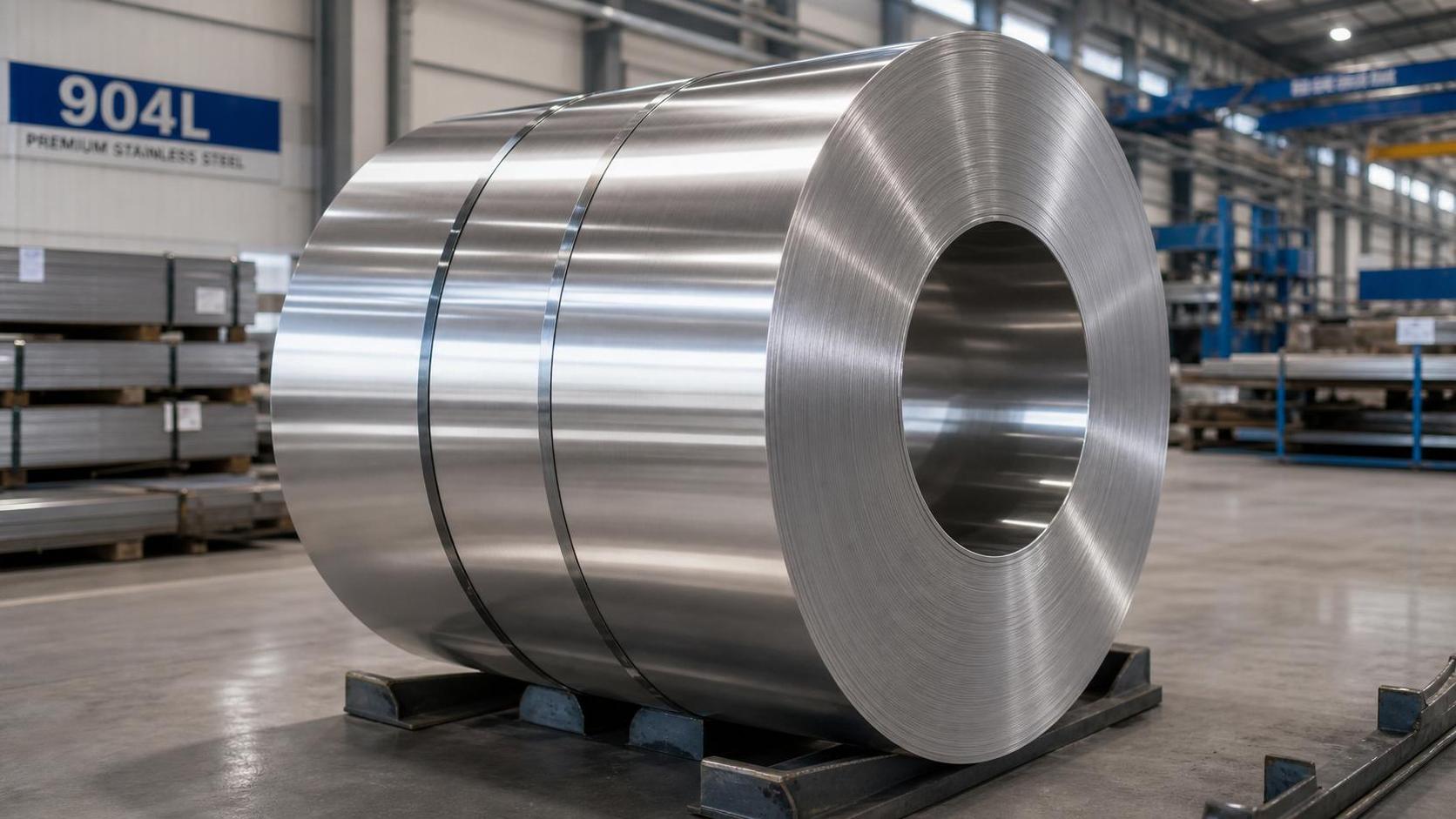
 Steel Market TrendsHow Buyers Can Avoid Common 904L Stainless Steel Coil Sourcing MistakesAnalyst:Lead Materials Scientist
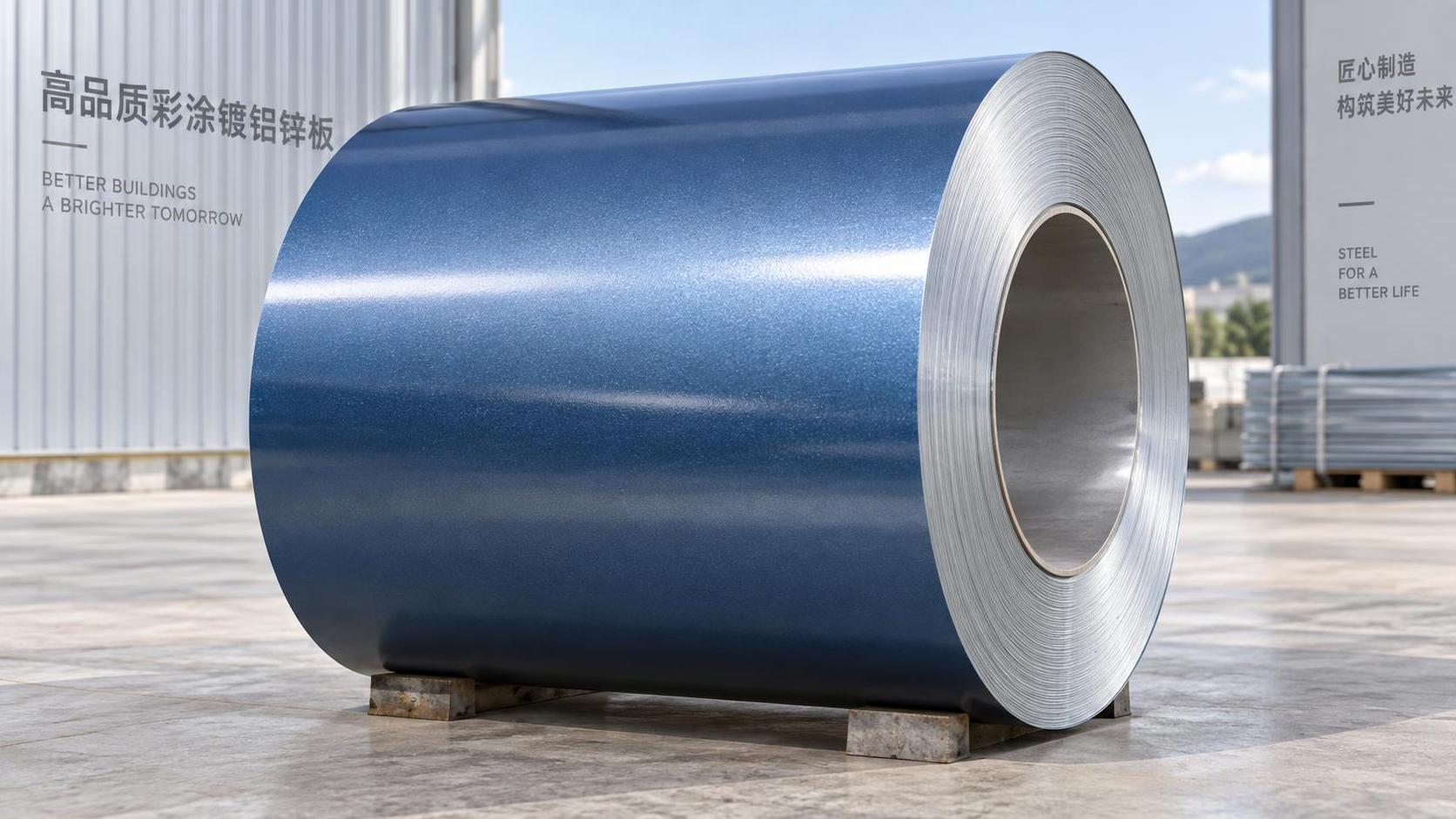
 Steel Market TrendsColor Coated Galvalume Roof Sheet Problems Buyers Can Prevent Before DeliveryAnalyst:Lead Materials Scientist
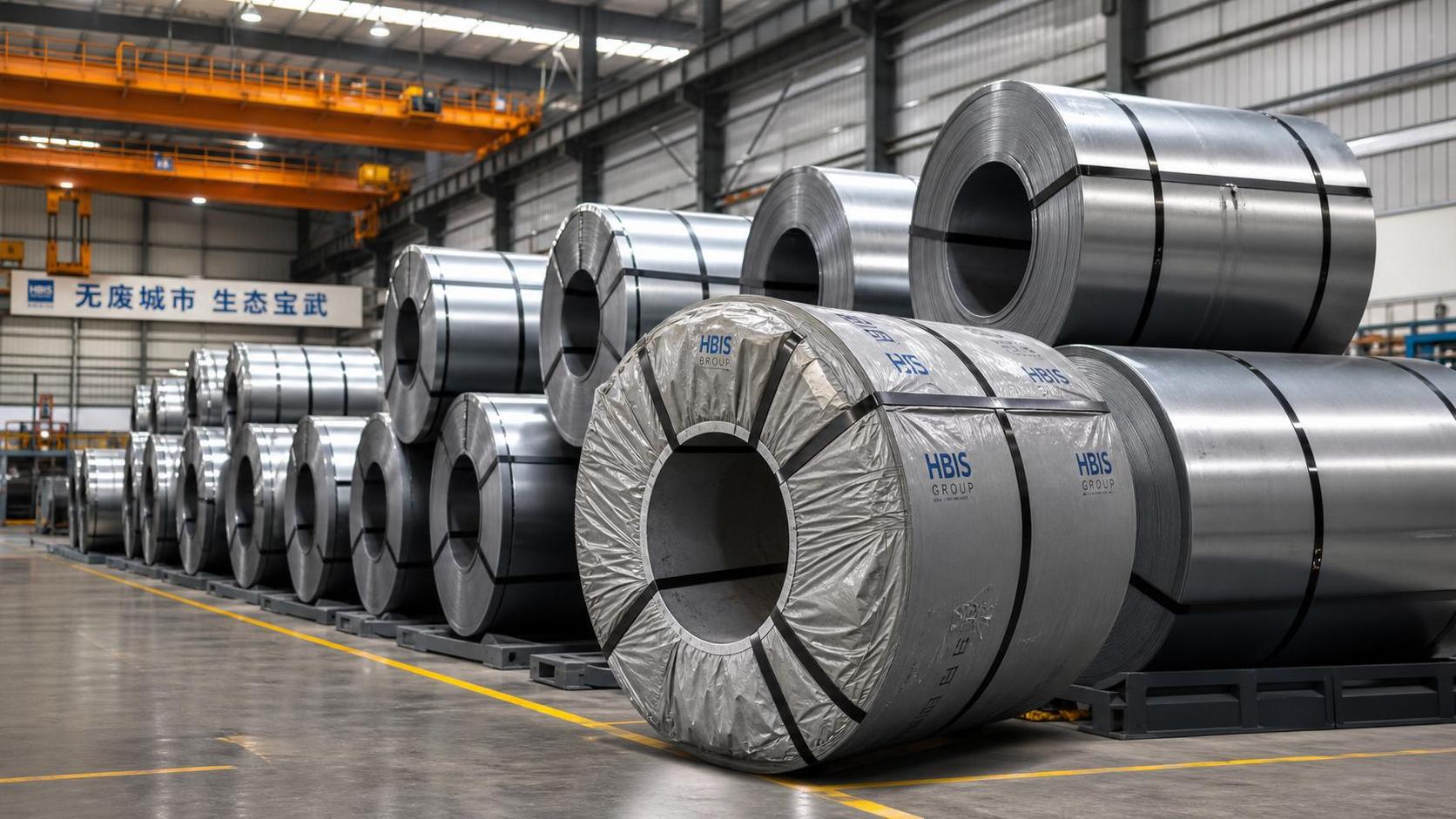
 Steel Market TrendsCarbon Steel Coil Market Trends: Why Global Buyers Are Rebuilding Flexible Steel Supply ChainsAnalyst:Lead Materials Scientist