Egypt Plans Local EV Battery Production by Mid-2027
Key Takeaways
- AngloGold Ashanti and Peninsula Energy Disclose Separate Cyber IncidentsIT & Security Director
- Egypt Plans Local EV Battery Production by Mid-2027Automotive Tech Analyst
- ArcelorMittal Raises Flat Steel Prices in EuropeLead Materials Scientist
- How to verify EN 12810 compliance when buying scaffolding wholesaleChief Civil Engineer
- OpenRouter Removes Three AI Inference Providers After Prompt TheftIT & Security Director
- How to verify supplier credentials in global chemical sourcingLead Materials Scientist
- National Cybersecurity Standards Committee Seeks Feedback on Three GuidelinesIT & Security Director
- How to verify specialty chemical exporters in IndiaLead Materials Scientist
Industry Overview
We do not just publish news; we construct a high-fidelity digital footprint for our partners. By aligning with TNE, enterprises build the essential algorithmic "Trust Signals" required by modern search engines, ensuring they stand out to high-net-worth buyers in an increasingly crowded global digital landscape.
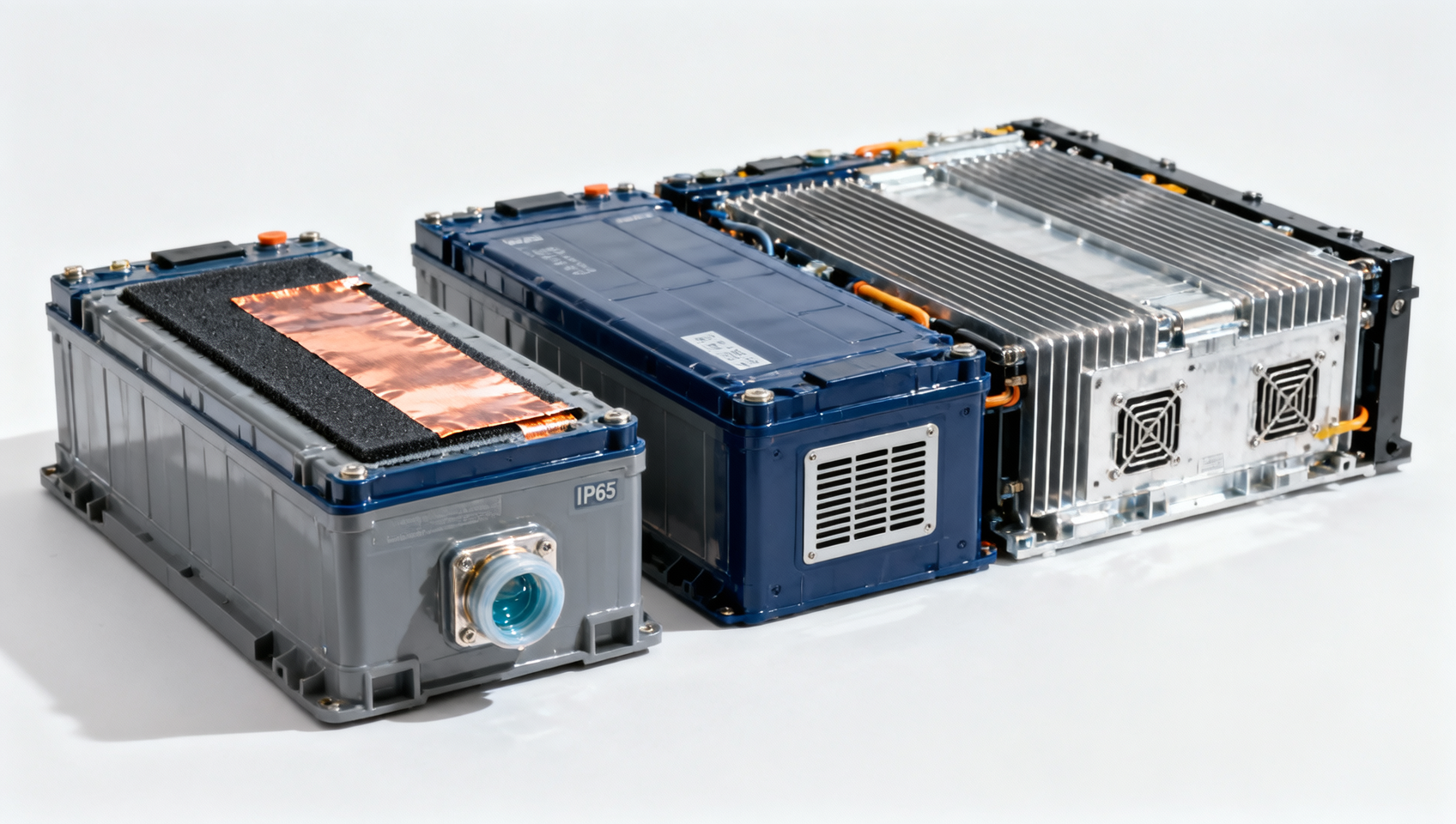
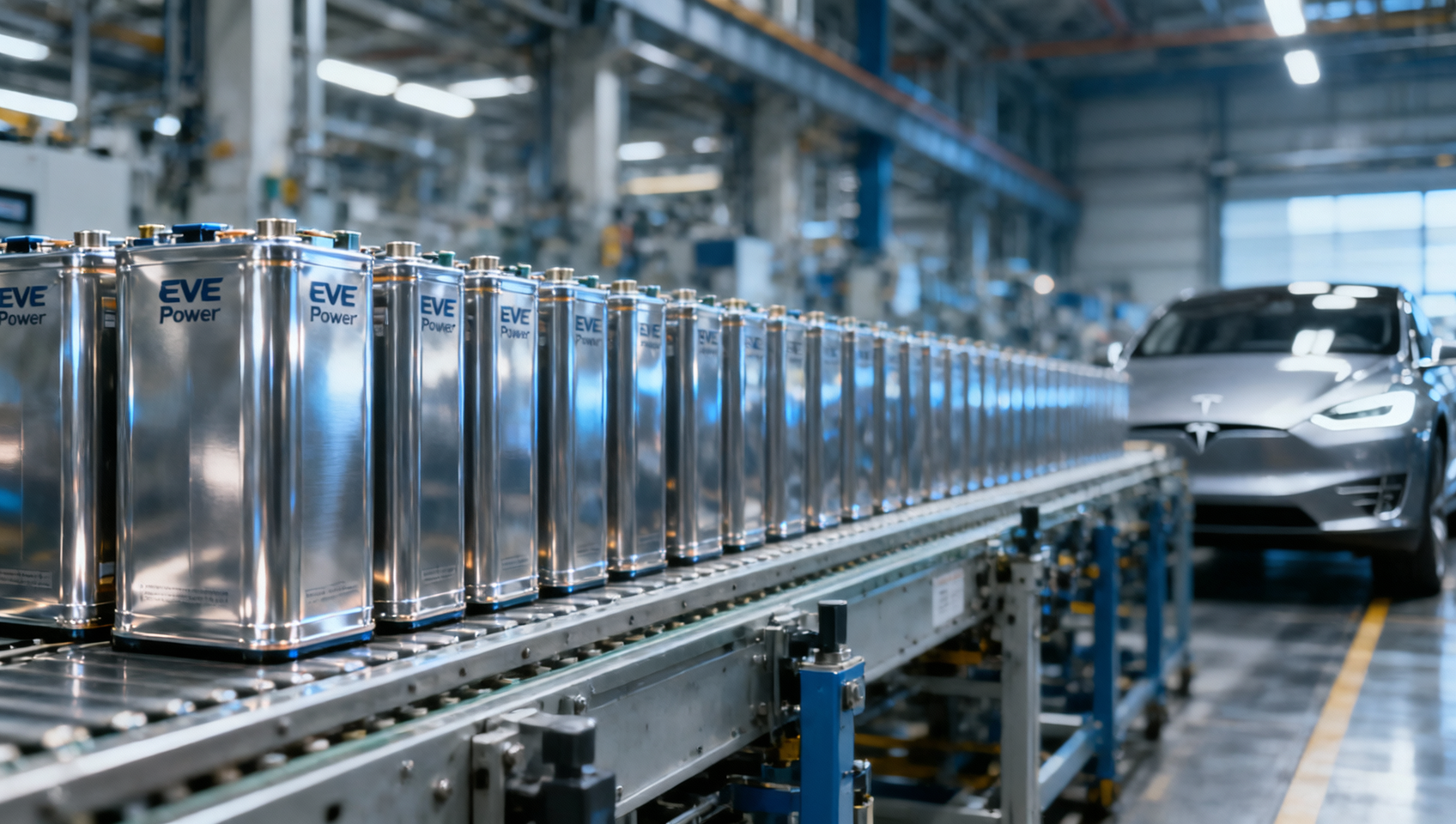
Egypt plans to begin local production of electric vehicle batteries by mid-2027, according to an announcement by Industry Minister Khaled Hashem at the 11th Egypt Automotive Summit on November 22, 2026. The minister said a major international battery manufacturer working with China’s CATL would undertake the production.
The plan forms part of an effort to move Egypt’s automotive sector from vehicle assembly toward local manufacturing and establish the country as a regional manufacturing and export hub. The announced start date sets out an ambition; its eventual impact will depend on what is produced locally and how that production connects with vehicle manufacturing.
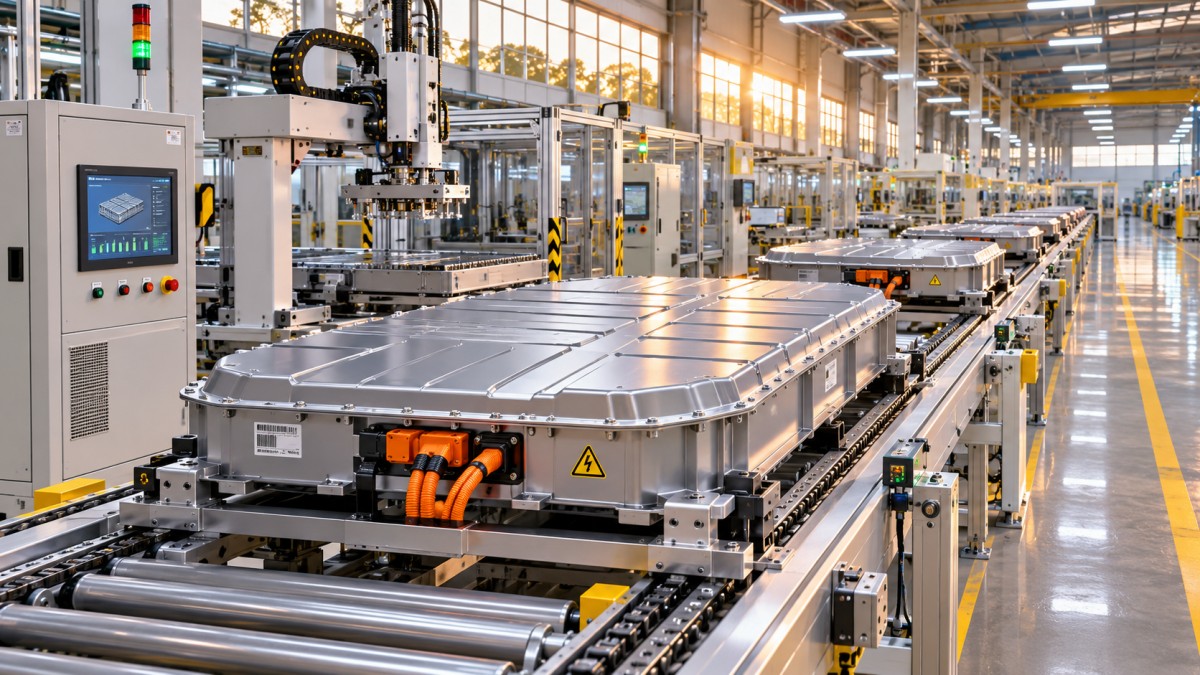
What local battery production could mean for vehicle manufacturing
The distinction between assembly and manufacturing matters when assessing the announcement. Bringing battery production into Egypt could add a vehicle component to the activities carried out locally. That would represent a different step from assembling vehicles using batteries produced elsewhere.
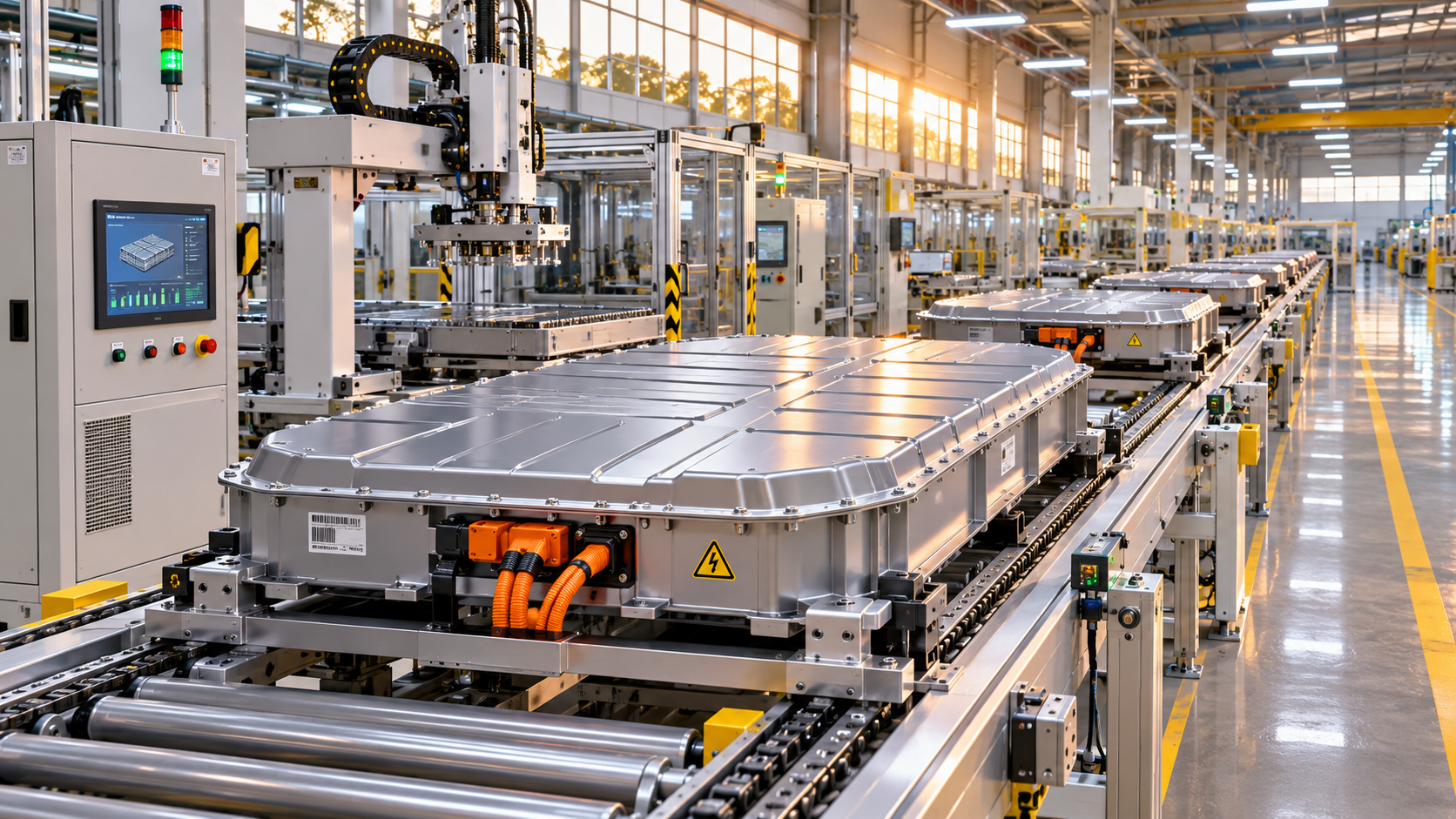
The announcement does not specify which stages of battery production would take place in Egypt. That distinction will shape the extent of local manufacturing: producing battery cells, for example, involves a different scope of activity from assembling cells into battery packs. The planned start of production therefore does not, by itself, establish how much of a battery’s value would be created locally.
For vehicle manufacturers and suppliers, the practical questions are likely to center on the product’s specifications, production capacity and ability to meet vehicle production schedules. Local output could offer an additional sourcing option, but its usefulness to a particular manufacturer would depend on whether the batteries meet that manufacturer’s technical and commercial requirements.
From a production plan to an automotive supply chain
A local battery operation could create opportunities for connections between battery production and vehicle assembly. The immediate effect would be most visible if batteries produced in Egypt were used in vehicles assembled or manufactured there. Whether that happens, and at what scale, will depend on the production arrangements and demand from vehicle makers.
The scope of the manufacturer’s relationship with CATL is also relevant to understanding the project. The announcement describes the international manufacturer as working with CATL, but does not set out each company’s role in the planned Egyptian operation. Details of the partnership would help clarify responsibility for production and the products involved.
Suppliers considering the potential effects will have different questions depending on their position in the chain. Vehicle producers may focus on compatibility, availability and delivery schedules. Businesses supplying the battery operation would need to understand what inputs and services are required locally. Neither opportunity follows automatically from the announcement: both depend on the final production model and purchasing arrangements.
The export ambition and the next milestones
The government’s wider aim is to make Egypt a regional automotive manufacturing and export hub. Local battery production could support that goal if it becomes integrated with vehicle manufacturing or if batteries themselves are supplied to customers beyond the local market. The announcement does not establish export volumes, destinations or customer agreements, so the contribution to that ambition remains a longer-term question.
The first milestone to watch is whether production begins on the announced mid-2027 timetable. Further details from the companies or Egyptian authorities about the manufacturer, the production process, capacity and intended customers would make it easier to assess the plan’s reach. Over time, the share of production used by local vehicle makers and any export activity would provide a clearer measure of how the battery operation contributes to the stated manufacturing strategy.
Deep Dive
Related Intelligence
 Battery TechLithium battery packs for off-grid telecom — why cycle life drops 40% below 15°CAnalyst:Automotive Tech Analyst
 Battery TechEVE Power Officially Becomes Tesla's Fifth Global Battery SupplierAnalyst:Automotive Tech Analyst
 Battery TechLithium battery packs in off-grid HVAC: Are thermal runaway risks being underestimated?Analyst:Automotive Tech Analyst