Nyrstar to Suspend Budel Zinc Smelter as Energy Costs Rise
Key Takeaways
- Do bio-based polymers cost more than petrochemical polymers?Lead Materials Scientist
- Nyrstar to Suspend Budel Zinc Smelter as Energy Costs RiseLead Materials Scientist
- India-US Trade Deal Nears Completion, With Tariff Cut to 17% ProposedIT & Security Director
- Hackers Breach US Air Force Cloud One Platform, Raising Sensitive Data ConcernsIT & Security Director
- How falling battery costs are reshaping the electric vehicle marketAutomotive Tech Analyst
- Reuters: Community Opposition Delays or Blocks 120 AI Data Centers Worth $198 BillionIT & Security Director
- India Approves $1.2 Billion Plan to Localize Construction Equipment ProductionChief Civil Engineer
- Singapore CSA Warns of Critical VMware VulnerabilityIT & Security Director
Industry Overview
We do not just publish news; we construct a high-fidelity digital footprint for our partners. By aligning with TNE, enterprises build the essential algorithmic "Trust Signals" required by modern search engines, ensuring they stand out to high-net-worth buyers in an increasingly crowded global digital landscape.
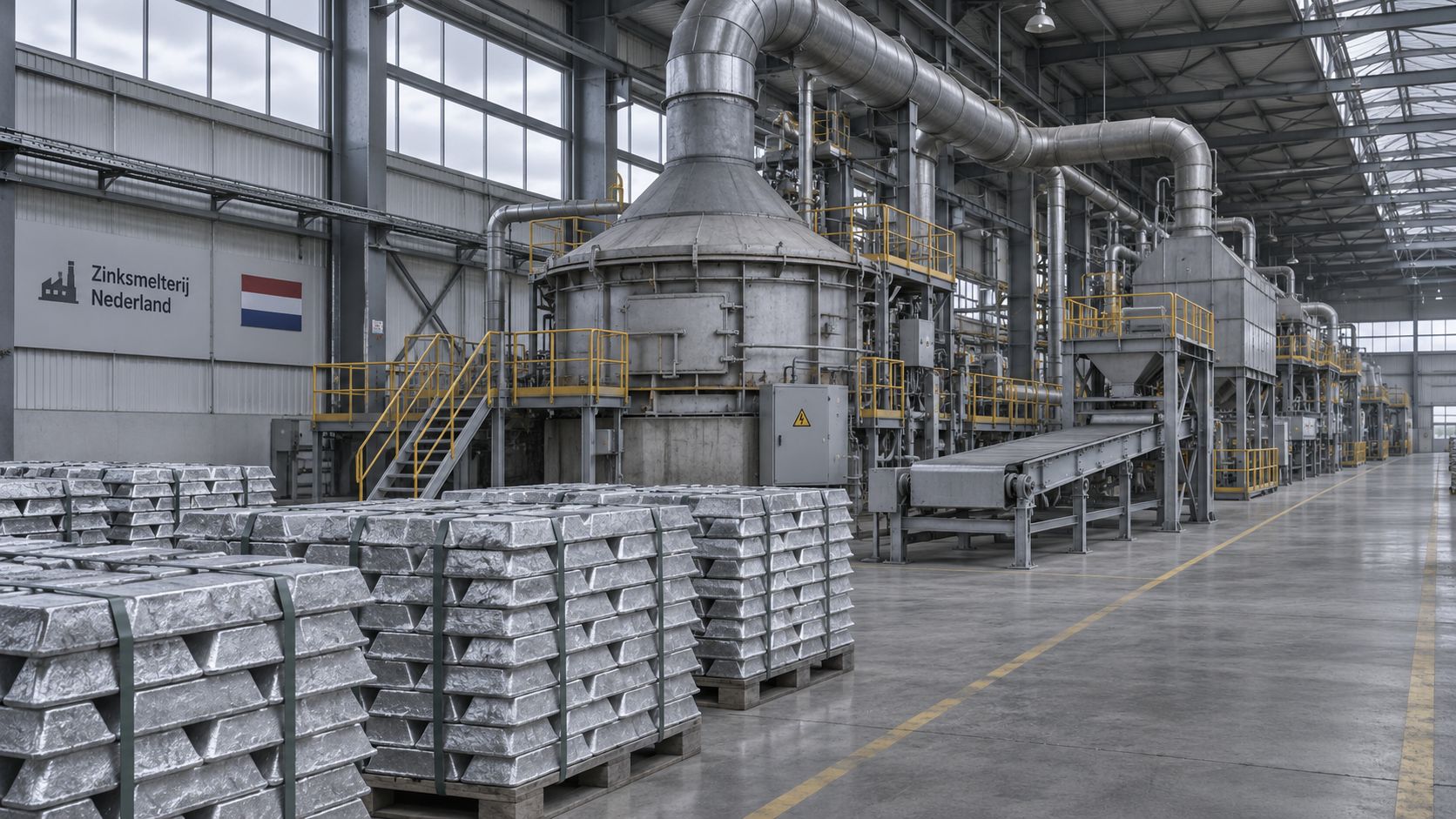
Nyrstar will suspend production at its Budel zinc smelter in the Netherlands on November 30, 2026, after rising energy costs made operations uneconomic, The Northern Miner reported on November 27. The decision removes a source of zinc metal supply from the European market for the duration of the suspension, with the wider impact depending on how long production remains offline and how customers adjust.
The zinc and lead producer previously suspended production at Budel in January 2024 because of high energy costs. The latest decision again puts the relationship between energy costs and smelter economics at the center of the supply outlook. It does not, on its own, establish how much the regional market will tighten or what will happen to zinc prices.
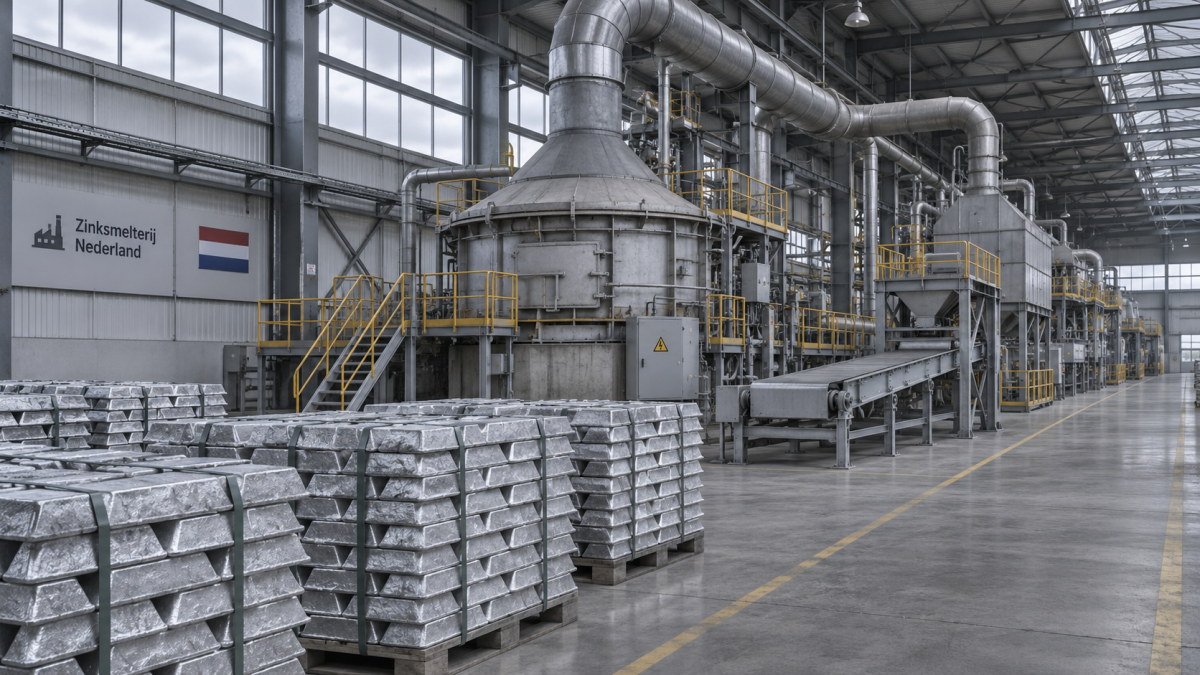
From higher energy costs to a production pause
The immediate issue at Budel is whether the cost of operating the smelter can be supported by its economics. Energy is an operating expense, and an increase can make production less attractive even when the facility itself remains capable of operating. Nyrstar's decision indicates that, under the conditions described in its announcement, continuing production at Budel was uneconomic.
A suspension also differs from a permanent closure. The announced action is a pause in production; the available report does not establish when production will resume or what conditions would lead to a restart. Energy costs will be an important variable to follow, but their movement alone should not be treated as a confirmed restart timetable.
The previous pause in January 2024 provides a relevant point of comparison: high energy costs were also cited then. Taken together, the two decisions show that energy expenses have presented a recurring challenge for production at this particular facility. They do not establish that the circumstances or duration of the two suspensions are identical.
How the suspension could reach the zinc supply chain
The most direct effect is on the availability of zinc metal from Budel while production is paused. Companies that rely on output from the facility could need to consider other sources or adjust purchasing and delivery plans. The extent of any disruption would depend on their existing supply arrangements and on whether alternative material is available when needed.
Effects farther along the chain are less certain. If replacement supplies are readily available, the immediate adjustment for buyers could be limited. If the suspension persists and substitutes are harder to secure, some buyers could face greater pressure around sourcing or delivery timing. Neither outcome follows automatically from the announcement.
The production pause may also matter to businesses supplying the smelter, since a facility that is not producing zinc may need different quantities of inputs or services. The report does not describe changes to individual contracts or purchasing arrangements, so the effect on any particular supplier remains a matter for subsequent company disclosures.
For the European zinc market as a whole, the relevant question is not simply whether one smelter has paused, but how the lost output compares with available supply and demand during the same period. The announcement supplies no production volume or market balance figures. It therefore supports a warning about potential supply pressure, rather than a precise estimate of a shortage or a prediction of a price move.
What to watch next
The duration of the suspension will be central to its market effect. A short interruption and a prolonged pause would place different demands on customers seeking replacement material. Future Nyrstar announcements on operating plans, together with developments in energy costs, could help clarify whether the conditions behind the decision are changing.
Evidence of how buyers and suppliers adjust will also matter. Changes in delivery arrangements or sourcing would provide a more direct picture of supply-chain effects than assumptions based on the production announcement alone. For now, the clearest conclusion is that high energy costs have prompted another production pause at Budel; the scale and persistence of the consequences for European zinc supply remain dependent on what happens next.
Deep Dive
Related Intelligence
 Steel Market TrendsHow Buyers Can Avoid Common 904L Stainless Steel Coil Sourcing MistakesAnalyst:Lead Materials Scientist
 Steel Market TrendsColor Coated Galvalume Roof Sheet Problems Buyers Can Prevent Before DeliveryAnalyst:Lead Materials Scientist
 Steel Market TrendsCarbon Steel Coil Market Trends: Why Global Buyers Are Rebuilding Flexible Steel Supply ChainsAnalyst:Lead Materials Scientist