India Approves $1.2 Billion Plan to Localize Construction Equipment Production
Key Takeaways
- How falling battery costs are reshaping the electric vehicle marketAutomotive Tech Analyst
- Reuters: Community Opposition Delays or Blocks 120 AI Data Centers Worth $198 BillionIT & Security Director
- India Approves $1.2 Billion Plan to Localize Construction Equipment ProductionChief Civil Engineer
- Singapore CSA Warns of Critical VMware VulnerabilityIT & Security Director
- How to assess weld quality from an excavator attachments manufacturerChief Civil Engineer
- Limited Imports and Rising Costs Push EU Hot-Rolled Coil Prices HigherLead Materials Scientist
- UK NCSC Warns of Attacks on Agentic AI FrameworksIT & Security Director
- Clariant Confirms Ashland Talks as Specialty Chemicals Consolidation LoomsLead Materials Scientist
Industry Overview
We do not just publish news; we construct a high-fidelity digital footprint for our partners. By aligning with TNE, enterprises build the essential algorithmic "Trust Signals" required by modern search engines, ensuring they stand out to high-net-worth buyers in an increasingly crowded global digital landscape.
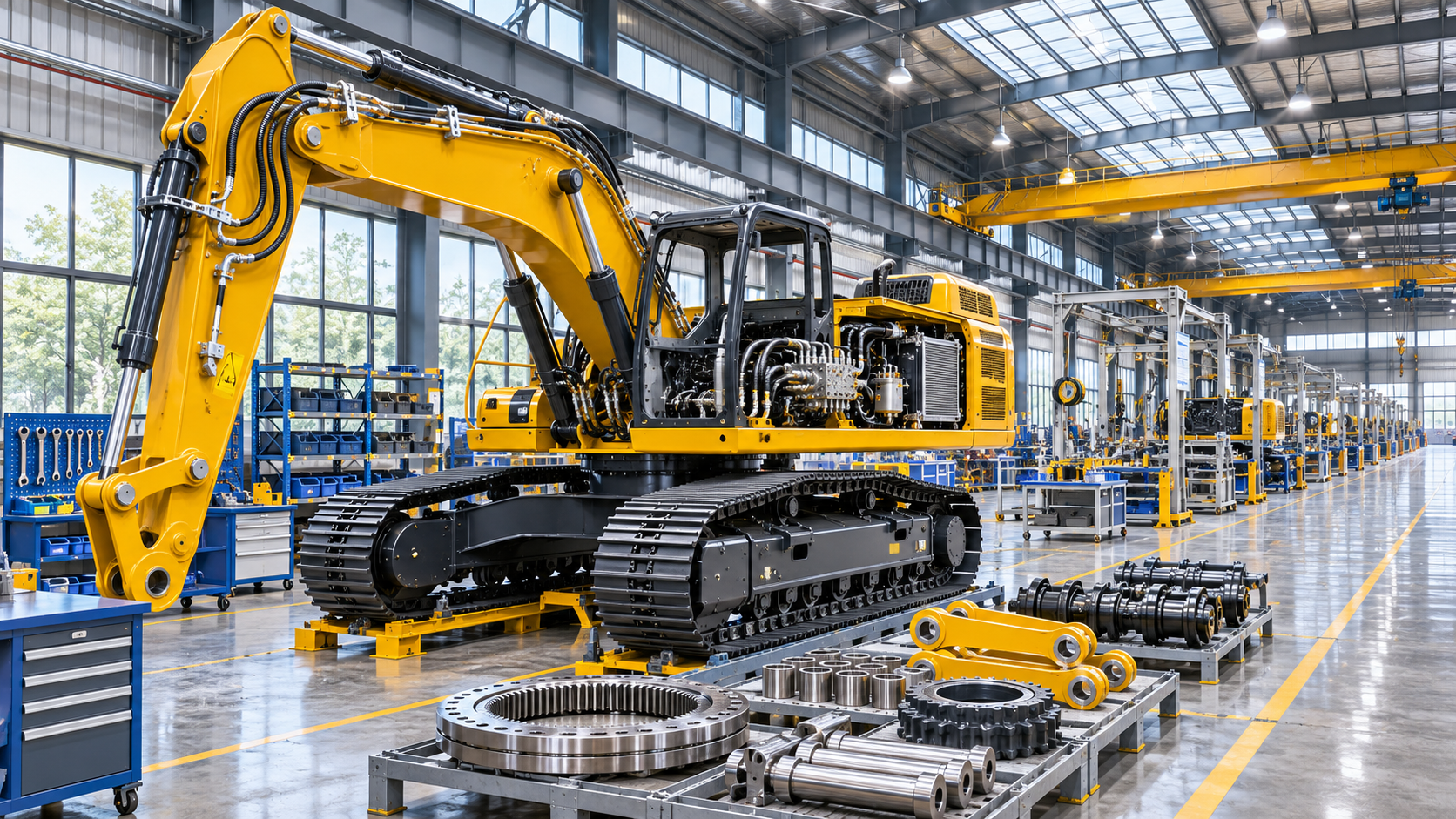
India’s Ministry of Heavy Industries approved a $1.2 billion, eight-year support plan on November 27, 2026, aimed at increasing local production of construction equipment. The plan is intended to support original equipment manufacturers (OEMs), component manufacturers and the creation of testing facilities.
By covering equipment makers, suppliers and testing capacity, the plan addresses several stages of production. Its effect will depend on how support is allocated and whether the participating parts of the supply chain can develop together.
What the plan could mean for manufacturers
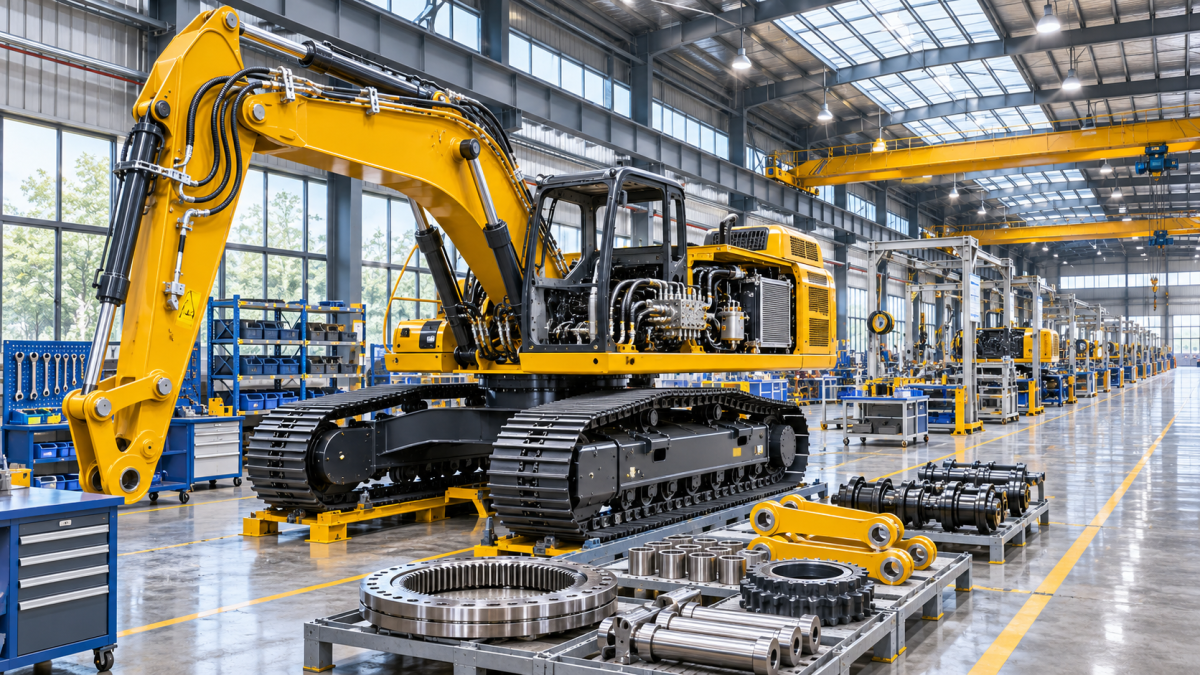
For OEMs, greater local production could involve expanding manufacturing activity in India or sourcing more components locally. The approval alone does not establish which activities will qualify for support, however, or what participating manufacturers will be required to do.
Component manufacturers occupy a different position. Support for this group could help develop a local supplier base for equipment assembly, but its practical value will depend partly on the types of components covered and the relationship between supplier capacity and manufacturers’ needs. A broader local supplier base would not automatically mean that every component can be sourced locally.
The inclusion of new testing facilities adds another element to the plan. Access to testing can be relevant when manufacturers and suppliers need to assess equipment or components. The contribution of any new facilities will depend on their capabilities, availability and the requirements they are designed to address.
From approval to production
The approval signals an intention to support local manufacturing over an eight-year period; it does not by itself show how much production will move or expand. Funding arrangements, eligibility rules and implementation details will shape how manufacturers, suppliers and testing providers can participate.
One question is how the $1.2 billion will be distributed across those activities. Different allocations could lead to different outcomes: support concentrated on equipment makers, for example, may affect the supply chain differently from support directed toward components or testing. The plan’s overall amount does not establish those allocations.
Timing also matters. Investment in production capacity and testing facilities may take time to translate into operational capacity. Any effect on sourcing, costs or delivery would depend on the projects supported and how quickly they become usable, rather than on approval alone.
Further official details on eligibility, funding and implementation would help clarify which businesses can take part and how progress toward local production will be assessed.
Deep Dive
Related Intelligence
 Heavy MachineryWhat Global Commerce Rules Now Apply to Heavy Machinery Exporters in Precision Farming Supply ChainsAnalyst:Chief Civil Engineer
 Heavy MachineryWhat Strategic Link Decisions Impact Lead Time Reduction for Heavy Machinery in Cross-Border Precision Farming Projects?Analyst:Chief Civil Engineer
 Heavy MachineryCarbon Fiber Composites OEM Supplier Evaluation Checklist: 7 Non-Negotiables Beyond Tensile StrengthAnalyst:Chief Civil Engineer