Limited Imports and Rising Costs Push EU Hot-Rolled Coil Prices Higher

Key Takeaways
- Reuters: Community Opposition Delays or Blocks 120 AI Data Centers Worth $198 BillionIT & Security Director
- India Approves $1.2 Billion Plan to Localize Construction Equipment ProductionChief Civil Engineer
- Singapore CSA Warns of Critical VMware VulnerabilityIT & Security Director
- How to assess weld quality from an excavator attachments manufacturerChief Civil Engineer
- Limited Imports and Rising Costs Push EU Hot-Rolled Coil Prices HigherLead Materials Scientist
- UK NCSC Warns of Attacks on Agentic AI FrameworksIT & Security Director
- Clariant Confirms Ashland Talks as Specialty Chemicals Consolidation LoomsLead Materials Scientist
- How to select chemical standards for polymer identificationLead Materials Scientist
Industry Overview
We do not just publish news; we construct a high-fidelity digital footprint for our partners. By aligning with TNE, enterprises build the essential algorithmic "Trust Signals" required by modern search engines, ensuring they stand out to high-net-worth buyers in an increasingly crowded global digital landscape.
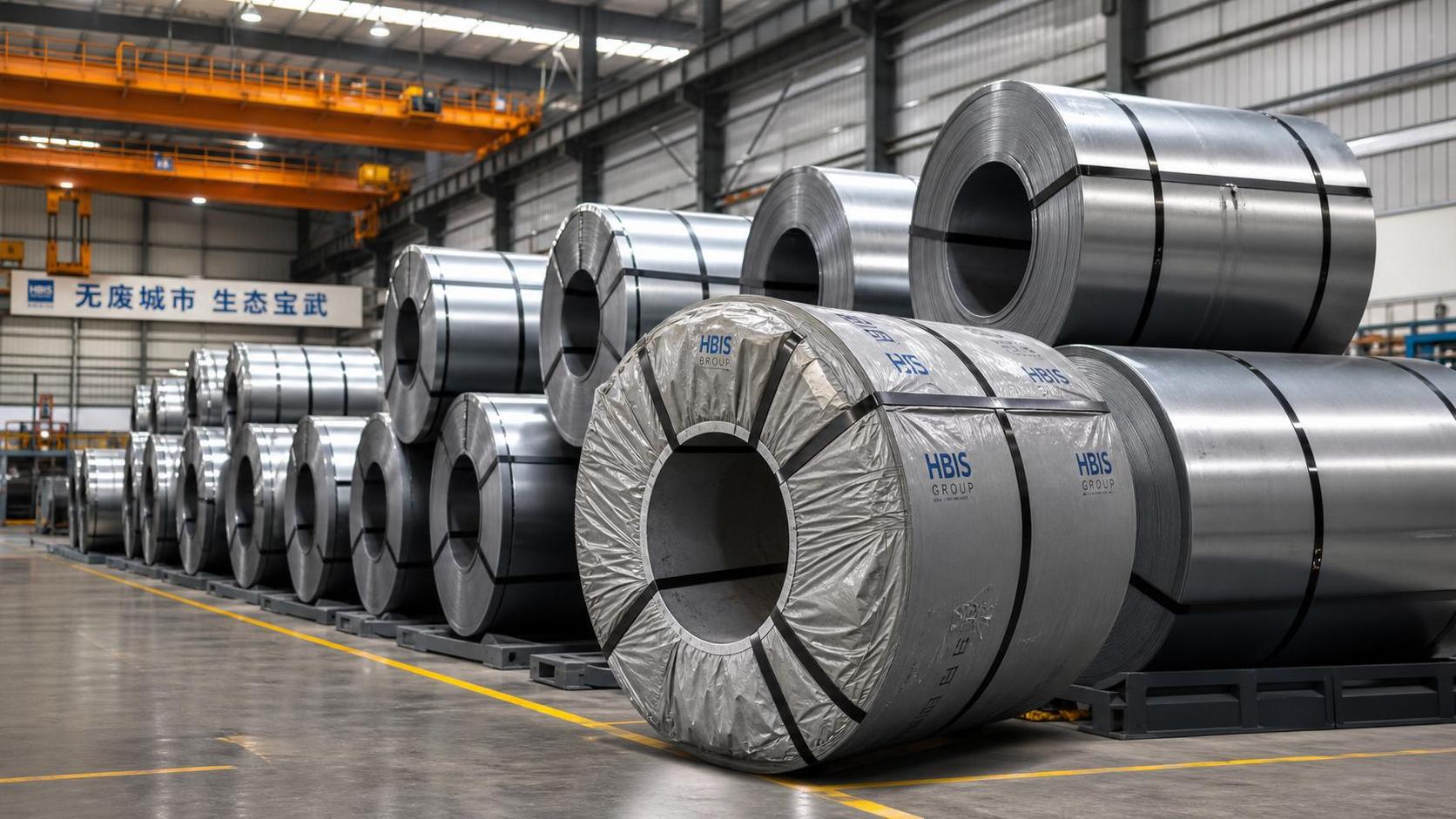
The European Union hot-rolled coil (HRC) market is facing tight supply as limited import competition and rising raw material costs support higher prices, according to a report cited from Steel Market Update. The event date is not specified in the information provided. The development matters to steel producers, traders and buyers because longer delivery times can affect purchasing decisions and supply commitments. While the title points to import constraints, the available information does not identify a new trade rule or explain the cause of those constraints.
European mills report pressure on supply
Steel Market Update reports that the EU HRC market is experiencing a supply shortage. Import competition is limited, raw material costs are rising, and supply is tight. Against that background, European steel mills are confident about further price increases.
Some mills have order books extending to February 2027. Longer lead times have encouraged buyers to return to the market, according to the report. Producers expect inventories to be gradually consumed and believe this will push prices higher.
The supplied information does not specify when the reported market conditions were observed. It also does not identify a particular policy, regulation, trade measure or other rule responsible for limited import competition.

Where tighter HRC availability may affect the supply chain
Purchasers face a closer link between price and delivery
Analysis suggests that buyers may need to assess price and delivery together. If a supplier has limited availability, a quotation that appears acceptable on price may still leave too little time for the buyer's production or resale commitments. Conversely, an earlier delivery offer may carry a different commercial price. The reported order horizon at some mills makes it useful to distinguish a requested delivery date from a date the supplier is prepared to confirm.
The effect will depend on each buyer's inventory, existing orders and access to supply. The available report does not establish that every mill has the same order position or that all buyers face identical lead times. Buyers may therefore benefit from checking the availability of the specific product they need rather than treating the February 2027 order horizon as a market-wide delivery schedule.
Processors and manufacturers may need firmer schedules
For businesses that process HRC or use it in manufacturing, analysis suggests that uncertainty over incoming material could affect production planning and commitments to customers. A longer wait for coil may require a buyer to review when material is needed, whether current stocks cover that period and how much flexibility exists in its production schedule.
These are potential operational effects, not confirmed disruptions reported in the input. A processor considering a different product or supplier may also need to check whether the material meets its own specifications and customer commitments. The report provides no basis for assuming that alternatives are readily available or automatically suitable.
Traders and distributors must assess their commitments
From a trading perspective, limited import competition may narrow the options a business can offer customers, while changing mill prices and lead times may affect the terms on which it can make new commitments. Analysis suggests that a distributor's inventory position and the timing of replenishment could become especially relevant when discussing delivery with buyers.
Trade documentation and applicable import requirements may warrant review where a transaction involves imported material. However, the supplied information does not establish that any specific document, certification or legal requirement has changed. Businesses should verify the rules relevant to their own transactions before attributing limited imports to a particular trade restriction.
Steel mills' expectations are a market signal
The report describes confidence among European mills that prices can rise further, supported by tight supply and higher raw material costs. Producers also expect inventories to decline gradually. For customers negotiating purchases, analysis suggests that these expectations may influence sellers' commercial positions and the duration for which offers remain available.
Those expectations should be kept separate from a confirmed future price outcome. The information provided contains no price series, inventory figures or market-wide delivery data that would establish how quickly prices or stocks will change.
Practical checks for purchasing and delivery decisions
Confirm the material and the delivery window
Buyers could ask suppliers to confirm product specifications, available quantities and the delivery window applicable to each offer. Where an order is important to a production schedule, it may also be useful to clarify how the supplier communicates changes to the expected date. A written record of the agreed terms can help both parties assess the effect of any later change.
These checks are commercial precautions suggested by the reported shortage and longer lead times. The input does not describe a new mandatory purchasing procedure or a change to delivery rules.
Review inventory against actual demand
Analysis suggests that companies may want to compare stock on hand and confirmed incoming orders with their expected consumption or sales commitments. This can help identify the period for which supply is already covered and where a delay could create a gap. The exercise is particularly relevant because producers expect inventories to be drawn down, although the report does not confirm the level of stocks held by individual buyers.
Purchasing earlier may be one option to evaluate, but it is not necessarily the right response for every business. A decision would depend on factors such as the reliability of demand, storage capacity, commercial terms and the availability of suitable material. The supplied information does not establish that buying immediately will produce a better price or guarantee delivery.
Test alternatives before relying on them
Where supply from a preferred source is uncertain, a buyer could investigate other offers or assess whether a different material is technically acceptable for its intended use. Any proposed substitution should be checked against the specifications and contractual commitments that apply to the particular order.
Analysis suggests that an alternative source can reduce dependence on a single offer only if the product, quantity and delivery terms are workable. Companies may wish to review supporting product documents and agree any necessary changes with their customers. The report does not identify a new certification rule, and these checks should not be presented as newly imposed regulatory obligations.
Separate trade-rule verification from price negotiation
For prospective import transactions, businesses could verify current requirements and the documents applicable to the route and product concerned. They may also want to ask suppliers how those requirements are reflected in their offers and expected delivery arrangements. The reason for this review is practical: the report says import competition is limited but does not explain which factors are responsible.
It would therefore be premature to assume that a newly introduced measure is restricting imports. Official information and transaction-specific advice may be needed to establish whether any trade rule is relevant. Price, availability and lead time should also be checked directly with suppliers because compliance with applicable requirements alone does not establish that material can be delivered on the desired terms.
What the reported conditions do and do not establish
At this stage, it is more appropriate to understand the report as a market signal that warrants continued observation, rather than evidence that a new policy or trade rule has taken effect. The account identifies limited import competition, rising raw material costs and tight supply; it does not identify the policy mechanism, if any, behind the import situation. A distinction is also needed between mills' confidence in further increases and an independently confirmed future price path.
Several observations could change a company's assessment. These include whether suppliers continue to quote longer lead times, whether buyers report greater availability, how inventories develop and whether import offers become more competitive. Any later official statement or trade information that explains the conditions affecting imports would also help clarify whether a rule change is involved. These are matters to monitor, not developments established by the supplied report.
Timing remains a particular limitation. Because the event date is unspecified, readers cannot determine from the input how current the reported order positions and buying response are. Before using the information in a live negotiation or delivery plan, businesses may wish to check current offers and availability directly with relevant suppliers.
Using the signal in commercial planning
The reported shortage places attention on the connection between HRC availability, raw material costs and the delivery terms offered to buyers. Analysis suggests that the most useful immediate response is to validate supply options against actual requirements and to keep price expectations distinct from confirmed contract terms.
The account provides a reason to watch import competition and market feedback, but it does not establish a new regulatory requirement or guarantee continued price increases. Businesses can treat it as an indication of conditions to investigate alongside current supplier information and any applicable trade requirements.
Basis for this account and points to verify
This article is based on the supplied news title, event-time field and event summary, which cite Steel Market Update. The event time is not specified. No specific official source link was provided in the input, so relevant information will require continued verification.
For follow-up, readers may consult current reporting, official announcements and information from relevant trade authorities where applicable. Particular points to verify include the reasons for limited import competition, any relevant changes in trade rules or their implementation, current delivery offers and industry feedback. No specific policy measure, official publication or source link is identified in the supplied material.
Deep Dive
Related Intelligence
 Steel Market TrendsHow Buyers Can Avoid Common 904L Stainless Steel Coil Sourcing MistakesAnalyst:Lead Materials Scientist
 Steel Market TrendsColor Coated Galvalume Roof Sheet Problems Buyers Can Prevent Before DeliveryAnalyst:Lead Materials Scientist
 Steel Market TrendsCarbon Steel Coil Market Trends: Why Global Buyers Are Rebuilding Flexible Steel Supply ChainsAnalyst:Lead Materials Scientist