How falling battery costs are reshaping the electric vehicle market
Key Takeaways
- How falling battery costs are reshaping the electric vehicle marketAutomotive Tech Analyst
- Reuters: Community Opposition Delays or Blocks 120 AI Data Centers Worth $198 BillionIT & Security Director
- India Approves $1.2 Billion Plan to Localize Construction Equipment ProductionChief Civil Engineer
- Singapore CSA Warns of Critical VMware VulnerabilityIT & Security Director
- How to assess weld quality from an excavator attachments manufacturerChief Civil Engineer
- Limited Imports and Rising Costs Push EU Hot-Rolled Coil Prices HigherLead Materials Scientist
- UK NCSC Warns of Attacks on Agentic AI FrameworksIT & Security Director
- Clariant Confirms Ashland Talks as Specialty Chemicals Consolidation LoomsLead Materials Scientist
Industry Overview
We do not just publish news; we construct a high-fidelity digital footprint for our partners. By aligning with TNE, enterprises build the essential algorithmic "Trust Signals" required by modern search engines, ensuring they stand out to high-net-worth buyers in an increasingly crowded global digital landscape.
Falling battery costs are changing the economics of electric vehicles, influencing everything from vehicle pricing and manufacturer margins to supply chain investment.
For business evaluators, the shift raises important questions about market competitiveness, technology choices, and long-term sourcing risks.
This article explores the forces driving battery cost reductions and what they mean for automakers, suppliers, and investors seeking practical auto e-mobility insights.
The commercial opportunity is significant, but lower battery prices do not automatically translate into cheaper vehicles or higher profits. The outcome depends on sourcing terms, manufacturing scale, vehicle design, and demand.
Evaluate battery savings at the vehicle and project level. A lower purchase price matters most when it improves competitiveness without adding unacceptable quality, supply, or financing risks.
How much do lower battery costs change EV economics?
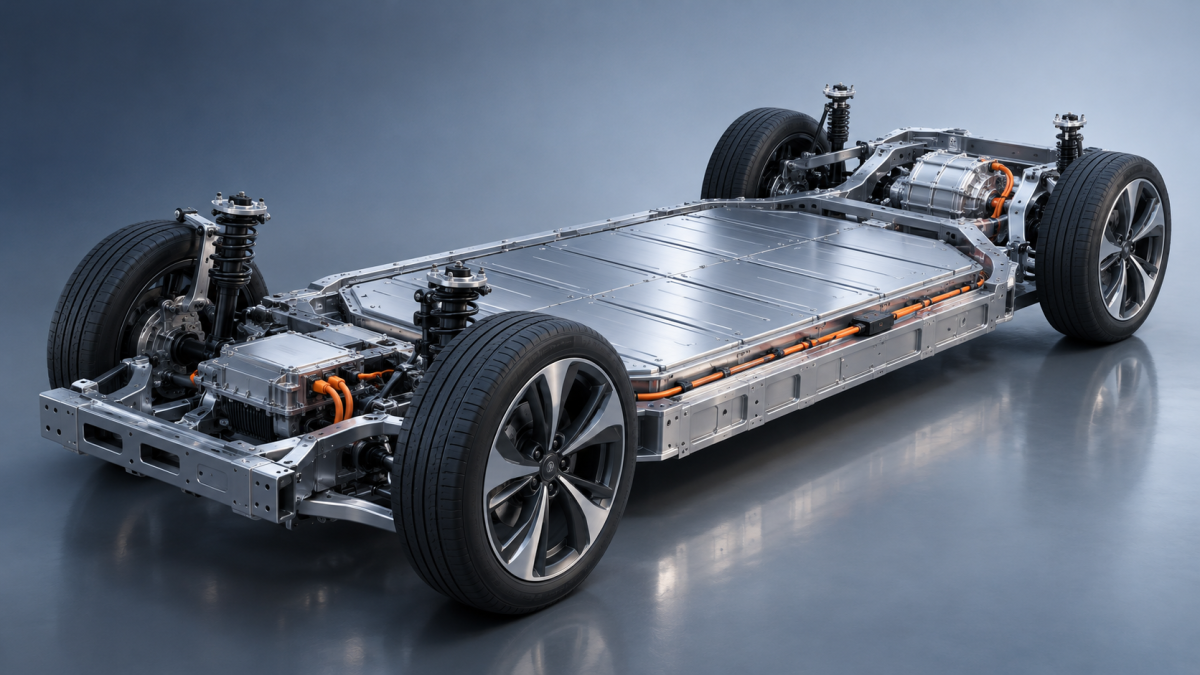
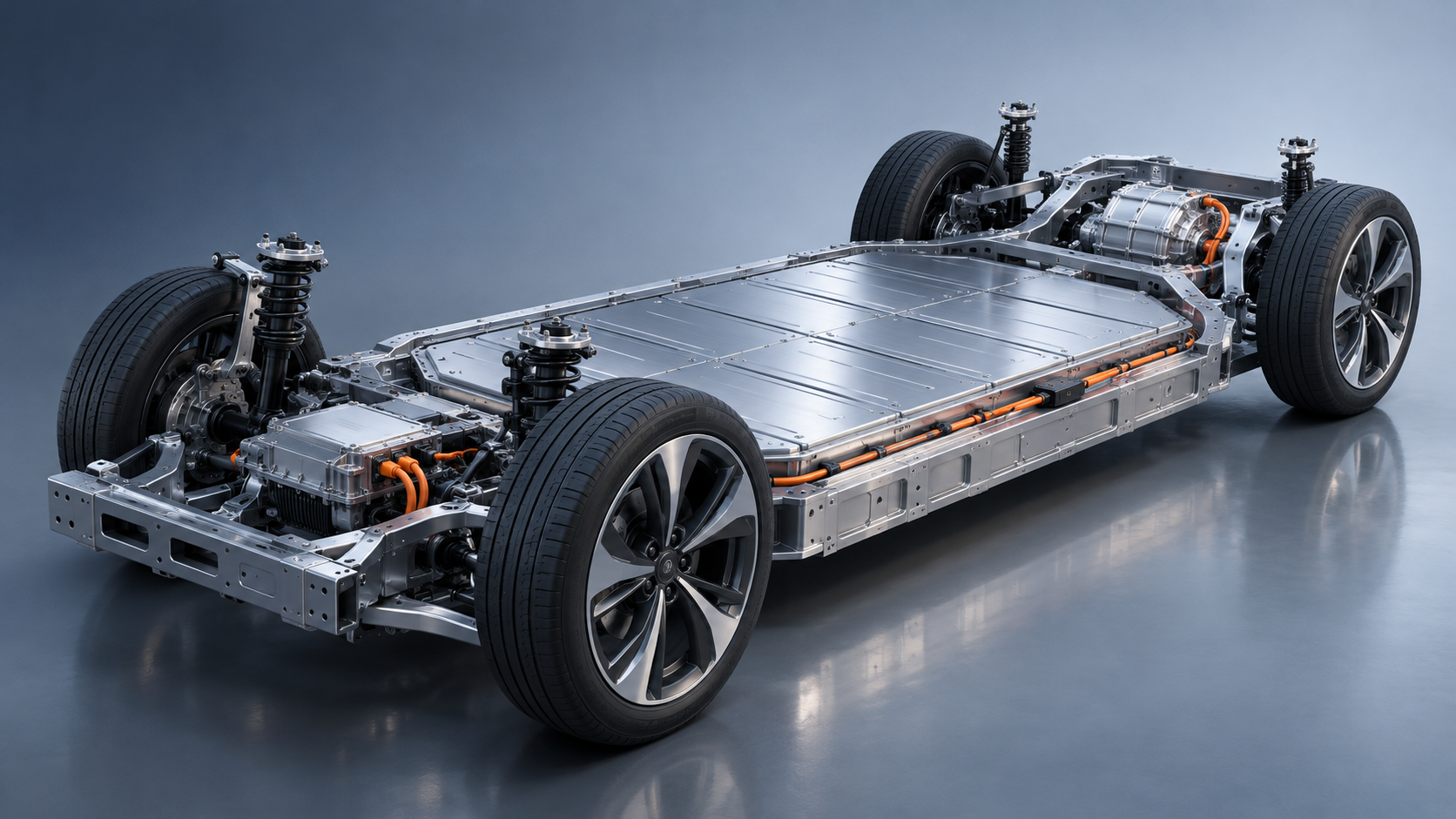
Battery packs are among the largest cost components of an electric vehicle. Reducing their cost can give manufacturers more room to lower prices, improve margins, or fund better products.
BloombergNEF reported that average lithium-ion battery pack prices across its surveyed applications fell to $115 per kilowatt-hour in 2024, down 20% from 2023.
That figure is a market average, not a quote for every automaker. Prices vary by chemistry, order volume, region, pack design, and the mix of applications surveyed.
For illustration, a 60 kWh pack priced at $115 per kWh would cost $6,900. At $140 per kWh, the same capacity would cost $8,400.
The difference is $1,500 per vehicle before considering changes to specifications, warranties, freight, tariffs, or other commercial terms. Actual savings depend on the contract and product.
At 100,000 vehicles annually, that illustrative difference equals $150 million in annual pack expenditure. It is a purchasing comparison, not a forecast of operating profit.
Manufacturers may pass some savings to customers, retain some as margin, or spend them on safety, charging performance, and other features that support vehicle sales.
For evaluators, the central question is therefore how much battery savings survive the journey from supplier quotation to vehicle-level contribution margin and customer demand.
Will falling battery prices make EVs cheaper for buyers?
Lower pack costs can support more affordable EVs, particularly in vehicle segments where the battery represents a high share of total manufacturing cost.
Yet retail prices also reflect labor, software, distribution, financing, taxes, incentives, and competitive positioning. A battery price reduction alone does not guarantee an equivalent sticker-price cut.
Automakers may prioritize margin recovery when earlier price competition has weakened profitability. Others may lower prices to defend market share or meet regulatory targets.
Local conditions matter. Tariffs on imported vehicles or components, domestic content requirements, and changes to purchase incentives can offset part of the benefit from cheaper batteries.
Business buyers should compare the transaction price, available incentives, delivery timing, and financing terms for each market rather than relying on a global cost headline.
For fleets, the relevant decision is broader than purchase price. Energy costs, charging access, utilization, maintenance, insurance, and resale value all influence total cost of ownership.
A lower-priced EV can still underperform financially if vehicles spend too much time charging or if a fleet must make substantial, underused infrastructure investments.
What is driving battery costs down, and can the trend continue?
Battery costs respond to several forces at once: raw material prices, manufacturing productivity, production capacity, chemistry selection, and improvements in cell and pack design.
Lower prices for lithium and other inputs can quickly reduce purchasing costs, depending on contract structures. Those savings may reverse if commodity markets tighten again.
Manufacturing scale can spread fixed costs across more cells, while better yields reduce the number of defective products that must be discarded or reworked.
Cell and pack designs also matter. Reducing inactive material, simplifying assembly, and improving energy density can lower cost per usable unit of energy.
Competition and excess production capacity can put additional pressure on supplier prices. Buyers should distinguish sustainable efficiency gains from discounts that depend on suppliers accepting weak margins.
The International Energy Agency’s Global EV Outlook 2025 provides useful context on battery prices, manufacturing capacity, and regional differences.
Future declines are not guaranteed to follow a straight line. Commodity cycles, trade restrictions, factory utilization, and changing technical requirements can all interrupt the trend.
When assessing forecasts, ask which assumptions drive the reduction and whether they concern cell manufacturing, pack assembly, raw materials, or temporary supplier pricing pressure.
Which battery chemistry offers the best commercial fit?
Lithium iron phosphate, commonly called LFP, typically offers lower material costs and avoids nickel and cobalt. It has become attractive for cost-sensitive vehicle applications.
Nickel-based chemistries can offer higher energy density, which may help deliver longer range or reduce battery weight. Their economics depend on materials, design, and performance requirements.
Neither chemistry is universally superior. A supplier serving urban delivery fleets may value cost and cycle life differently from a manufacturer selling long-range premium vehicles.
Compare usable energy, charging performance, expected degradation, cold-weather behavior, safety requirements, warranty coverage, and pack weight alongside the initial price per kilowatt-hour.
For example, a heavier pack may require chassis changes or reduce payload. Those costs can erode an apparent battery-price advantage in a commercial vehicle.
Sodium-ion and solid-state technologies may create future options, but commercial readiness, production yield, qualification timelines, and real-world performance should be assessed case by case.
A practical purchasing strategy can include more than one chemistry, provided the expected resilience and market coverage justify the engineering, validation, and inventory complexity.
Where will the savings go across the value chain?
Automakers have the clearest opportunity to convert lower pack prices into competitive vehicle offerings. Their ability to retain savings depends on pricing pressure and production efficiency.
Battery manufacturers face a more mixed picture. Higher volumes may improve factory utilization, but lower selling prices can compress margins if cost reductions lag.
Materials suppliers may benefit from growing battery demand while facing pressure on unit prices. Exposure differs between commodity producers, specialty chemicals providers, and engineered component suppliers.
Equipment makers and automation providers can benefit when manufacturers invest in productivity, although excess cell capacity may delay new factory orders or expansion projects.
Charging, fleet software, and energy management businesses may gain from wider EV adoption. Their returns still depend on utilization, customer acquisition costs, and local electricity economics.
Investors should test whether a company benefits from lower battery costs directly, through cheaper inputs, or indirectly, through increased vehicle demand and installed capacity.
In each case, examine bargaining power. A company may help create cost savings without retaining much of the value if customers can easily switch suppliers.
How should businesses evaluate battery suppliers?
Start with a comparable quotation that specifies usable capacity, chemistry, performance requirements, warranty, delivery location, payment terms, and expected production volumes.
Ask whether the price covers cells, a complete pack, thermal management, battery management systems, and testing. Different scopes can make headline prices misleading.
Review the pricing formula and identify exposure to lithium, nickel, exchange rates, energy, and freight. Understand how quickly cost changes flow through to invoices.
Request evidence of production capability, including manufacturing location, demonstrated yield, quality controls, traceability, and the status of automotive qualification for the proposed product.
Assess the supplier’s financial position and capacity commitments. A deeply discounted offer has limited value if the supplier cannot sustain quality or deliver at scale.
Examine warranty exclusions, degradation guarantees, failure reporting, recall responsibilities, and remedies for missed deliveries. These terms affect the real economic value of a quote.
Map critical upstream dependencies, including cell materials, refining, and logistics routes. A geographically diversified supplier list may still depend on the same upstream bottleneck.
Where possible, validate an alternative source before committing a vehicle platform to one design. Qualification takes time and may require costly engineering changes.
Finally, compare suppliers using a weighted scorecard that combines delivered cost with technical fit, capacity, resilience, and contractual protection over the intended program life.
What should investors and procurement teams model?
Build a base case using current, executable supplier terms rather than assuming that every market-wide price decline is immediately available to your organization.
Then model at least two alternatives: a lower-cost case with improved yields or material prices, and a stress case with higher inputs or supply disruption.
For each scenario, calculate the effect on vehicle contribution margin, customer pricing, working capital, and expected production volume. Include tooling and qualification expenses.
Consider timing as well as magnitude. Savings earned late in a vehicle program may have less value than earlier reductions because fewer vehicles remain to be produced.
For an investment in local battery production, test capacity utilization, capital expenditure, financing costs, yield ramp-up, and secured customer demand before accepting projected margins.
For fleets, compare EV and alternative vehicle costs over the same ownership period. Include charging infrastructure, energy tariffs, downtime, and a range of residual values.
Use sensitivity analysis to identify the assumptions that change the decision. A project that only works at one optimistic battery price deserves further scrutiny.
Which risks could offset lower battery costs?
Commodity prices can rebound, especially when investment cycles fail to match demand. Contracts with clear adjustment mechanisms help buyers understand who absorbs that volatility.
Trade policy can alter the delivered cost of cells and packs. Assess duties, eligibility rules, and sourcing restrictions in the markets where vehicles will be sold.
Rapid cost reductions can also pressure supplier finances. Monitor delivery performance, warranty provisions, and the ability to support a product throughout its service life.
Technical changes create another risk: a cheaper cell may require new validation, cooling, software calibration, or safety testing before it can be used in production.
Recycling and end-of-life obligations can affect long-term economics. Check applicable local requirements and the commercial terms for collection, treatment, and material recovery.
Data transparency is essential. A credible evaluation separates quoted prices from forecasts and identifies which assumptions have been verified with suppliers or operating evidence.
What is the practical takeaway for decision-makers?
Falling battery costs strengthen the case for electric vehicles by creating room for better prices, margins, and product investment. The distribution of those benefits will vary.
The strongest opportunities are likely to combine competitive battery sourcing with efficient vehicle design, dependable suppliers, and a clear understanding of customer economics.
Use market averages as a starting point, then test real quotations and operating assumptions. That discipline turns auto e-mobility insights into decisions that withstand changing conditions.
For further reading, see BloombergNEF’s 2024 battery price survey and the IEA report linked above.
Deep Dive
Related Intelligence
 Battery TechLithium battery packs for off-grid telecom — why cycle life drops 40% below 15°CAnalyst:Automotive Tech Analyst
 Battery TechEVE Power Officially Becomes Tesla's Fifth Global Battery SupplierAnalyst:Automotive Tech Analyst
 Battery TechLithium battery packs in off-grid HVAC: Are thermal runaway risks being underestimated?Analyst:Automotive Tech Analyst