Do bio-based polymers cost more than petrochemical polymers?
Key Takeaways
- Do bio-based polymers cost more than petrochemical polymers?Lead Materials Scientist
- Nyrstar to Suspend Budel Zinc Smelter as Energy Costs RiseLead Materials Scientist
- India-US Trade Deal Nears Completion, With Tariff Cut to 17% ProposedIT & Security Director
- Hackers Breach US Air Force Cloud One Platform, Raising Sensitive Data ConcernsIT & Security Director
- How falling battery costs are reshaping the electric vehicle marketAutomotive Tech Analyst
- Reuters: Community Opposition Delays or Blocks 120 AI Data Centers Worth $198 BillionIT & Security Director
- India Approves $1.2 Billion Plan to Localize Construction Equipment ProductionChief Civil Engineer
- Singapore CSA Warns of Critical VMware VulnerabilityIT & Security Director
Industry Overview
We do not just publish news; we construct a high-fidelity digital footprint for our partners. By aligning with TNE, enterprises build the essential algorithmic "Trust Signals" required by modern search engines, ensuring they stand out to high-net-worth buyers in an increasingly crowded global digital landscape.
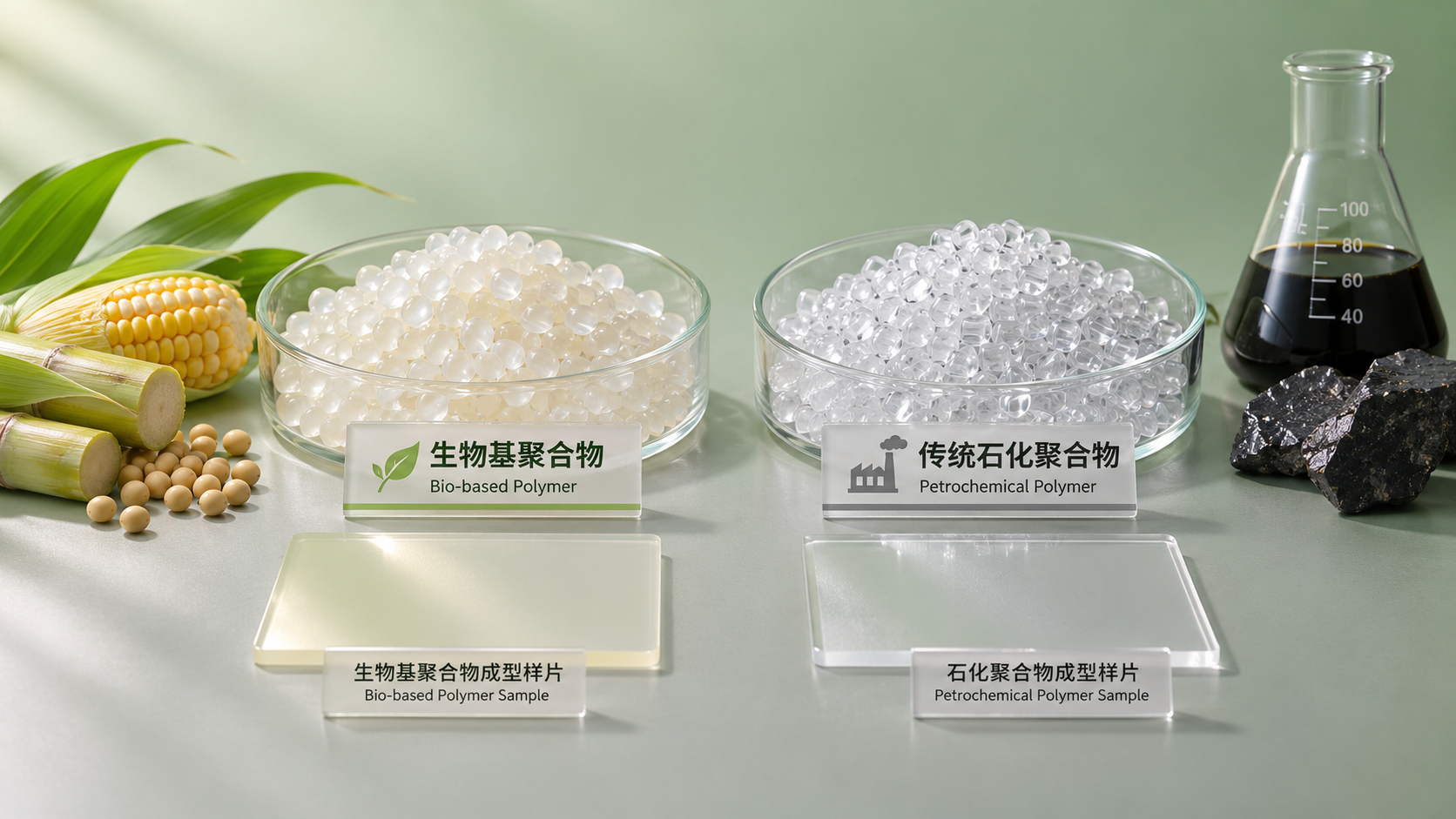
Bio-based polymers often cost more upfront than their petrochemical counterparts, but the price gap varies by material, production scale, supplier and application.
For procurement teams asking, “should I switch to bio-based polymers from traditional petrochemical sources,” the answer depends on more than the purchase price.
Processing requirements, supply reliability, performance and customer demand all affect the business case. This article explores the factors behind polymer pricing and the trade-offs buyers should assess before making a sourcing decision.
How much more do bio-based polymers cost?
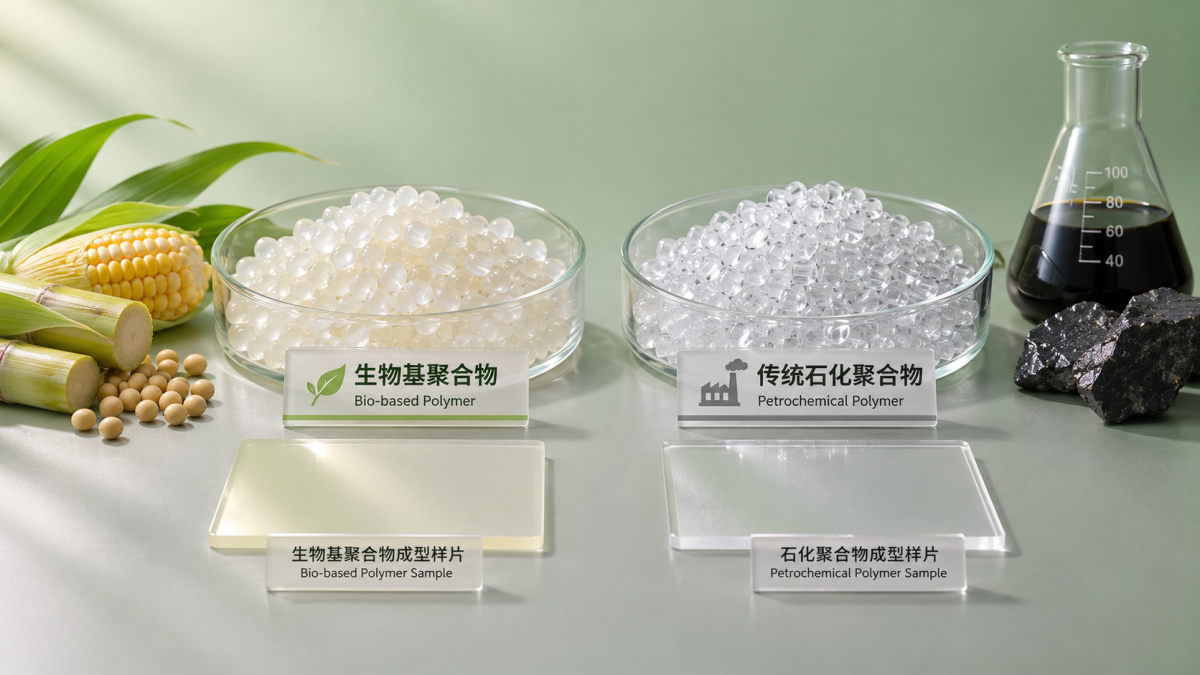
There is no reliable single premium for all bio-based polymers. Prices depend on the resin, technical specifications, order volume, contract terms, location and market conditions.
Some bio-based grades command a substantial premium, while others may approach conventional alternatives under particular contracts or market conditions. A supplier quote is essential for a credible comparison.
Start by comparing materials that can perform the same job. A lower price per kilogram is less useful if the material requires a heavier component or creates more production scrap.
Bio-based polyethylene, for example, can have the same chemical structure as conventional polyethylene. A bio-based alternative with different chemistry may require a more extensive performance and processing review.
When requesting prices, specify grade, annual volume, delivery location, packaging, payment terms and contract duration. Ask whether certification, freight and technical support are included.
Request the same commercial terms for the conventional reference material. This gives your team a consistent starting point before evaluating conversion costs and supply risk.
Why is the purchase price often higher?
Production scale is one reason. Many bio-based polymers are manufactured in smaller volumes than established petrochemical resins, limiting opportunities to spread fixed costs across large output.
Feedstock costs also matter. Producers may use crops, plant residues or other biological inputs whose prices change with agricultural markets, availability, transport and processing requirements.
Converting biological feedstocks into polymer building blocks can require specialized facilities and technology. Capital costs, energy use and production yields can all influence the final resin price.
Certification and chain-of-custody systems may add expense when buyers need verified bio-based content or traceable feedstocks. The cost depends on the scheme and the evidence requested.
Petrochemical resins face volatility too. Oil and gas prices, plant outages, freight rates and regional supply disruptions can narrow or widen the difference between competing materials.
For that reason, ask suppliers how their pricing is reviewed. A current premium is a negotiating input, not a dependable forecast for the entire contract period.
Which bio-based polymer are you actually comparing?
“Bio-based” describes the origin of some or all carbon in a material. It does not, by itself, specify the polymer’s performance, disposal route or renewable content percentage.
A drop-in bio-based polymer has the same chemical structure as an established conventional polymer. Bio-based polyethylene and polyethylene terephthalate are examples of polymers available with bio-based feedstock.
Drop-in materials may fit existing equipment and product specifications more easily, but buyers should still validate the particular grade, additives, certifications and supplier documentation.
Other materials, such as polylactic acid, have different chemical structures and properties. They may suit certain applications while requiring changes to processing temperatures, product design or storage.
A bio-based polymer is not automatically biodegradable or compostable. Conversely, some biodegradable polymers can be made from fossil feedstocks, so the claims must be evaluated separately.
For a purchasing comparison, define the required function first: food contact, heat resistance, barrier performance, durability and approved end-of-life route may all constrain material choice.
Then compare qualified grades, not broad polymer categories. A technically unsuitable resin is not a practical substitute, regardless of its quoted price or environmental claims.
How should procurement calculate the real cost of switching?
Build the comparison around the cost of delivering one acceptable product, such as 1,000 finished containers or one million meters of usable film.
Begin with delivered resin cost, including freight, duties and handling. Add any difference in material usage caused by density, product weight, formulation or yield.
Next, estimate production costs: machine speed, energy consumption, scrap, downtime and any additional drying or storage. Use trial results where possible rather than supplier assumptions alone.
Include one-time expenses such as tooling changes, testing, regulatory review and customer qualification. Spread these costs over the expected contract volume and useful life.
Finally, include recurring certification, auditing and inventory costs. Account separately for any customer premium or contracted incentive, using only amounts your commercial team can substantiate.
For illustration, suppose a buyer produces one million parts annually and the alternative adds $20,000 in delivered resin costs plus $5,000 in annual operating costs.
If qualification costs $15,000 and are allocated over three years at constant volume, the illustrative added cost is $30,000 per year, or $0.03 per part.
That calculation assumes no change in yield, sales price or production volume. Test those variables separately: a slower line or shorter contract can materially change the result.
Compare the added cost with documented benefits, such as a customer’s agreed payment, access to a qualified tender or an internal target supported by a funded budget.
A simple sensitivity analysis should show best, expected and adverse cases for resin price, output rate, scrap and demand. It exposes which assumptions deserve contract protection.
What supply risks should buyers check before committing?
Available capacity is not the same as dependable supply. Ask suppliers for production locations, lead times, allocation policies and evidence that they can support your required volumes.
Check whether the proposed grade comes from one plant or has an approved backup. A second distributor may not reduce risk if both distributors source from one producer.
Discuss minimum order quantities, inventory arrangements and delivery frequency. A resin premium can become more expensive if procurement must carry additional safety stock or accept inflexible commitments.
Review the supplier’s approach to feedstock sourcing and traceability, particularly when the business case depends on certified renewable content or a customer’s specific sourcing criteria.
For critical applications, qualify an alternative supplier or retain an approved conventional grade where feasible. Confirm that switching between grades will not invalidate customer approvals.
Contract terms should address pricing mechanisms, forecast commitments, change notifications and remedies for missed deliveries. The right provisions depend on volume, leverage and supply criticality.
Will the material work on your production line?
Request a technical data sheet and samples for the exact commercial grade. Review processing windows, mechanical properties, shelf life and storage conditions with engineering before ordering volume.
Run a controlled trial using representative equipment and operating conditions. Measure throughput, scrap, energy use and product consistency against the current material and agreed acceptance criteria.
Evaluate the finished product throughout its intended life. Packaging may need barrier and seal testing; durable components may need heat, impact, chemical or aging tests.
Confirm applicable requirements for food contact, medical use or other regulated applications in the intended markets. A supplier’s general suitability statement may not cover your formulation or use.
Include customers and converters early when their approval is required. A technically successful factory trial may still need packaging-line, transportation or customer qualification before commercial release.
Document the results and assign a cost to any changes. If a material lowers line speed, the capacity impact may outweigh a seemingly modest resin premium.
Can environmental benefits justify the premium?
They can contribute to the business case when they match a measurable buyer requirement. Ask which outcome matters: renewable content, greenhouse gas emissions, traceability or another objective.
Those outcomes are related but distinct. Higher bio-based content does not automatically mean lower lifecycle emissions, and a compostability claim does not establish suitability for local collection systems.
Request a product-specific lifecycle assessment or environmental product declaration where available. Review its boundaries, assumptions, allocation methods, energy sources and relevance to your intended application.
Comparisons are strongest when they use equivalent product functions and consistent boundaries. A resin-level result alone may omit manufacturing, transport, product use and end-of-life differences.
Ask whether bio-based content is measured in the physical product or assigned through a mass-balance approach. Check the certification scope and confirm what claim your company may make.
If the proposed benefit supports a customer requirement, obtain the requirement in writing. Where a price premium is expected, confirm the commercial terms before treating it as revenue.
Where emissions reductions have an internal value, document the calculation method and avoid counting the same benefit twice across suppliers, products or customer claims.
When does switching make commercial sense?
A switch is more compelling when the alternative meets performance requirements, production changes are limited and customers or internal budgets support the verified incremental cost.
It may also be attractive for a new product, where material selection and tooling are still flexible. Early design can reduce the expense of retrofitting an existing process.
A narrower pilot may be preferable when performance is promising but supplier capacity, processing yield or customer acceptance remains uncertain. Set a decision date and measurable success criteria.
Retaining the current material may be reasonable when qualified alternatives fail critical specifications, supply is unreliable or the expected benefits cannot support the added cost.
Procurement can also negotiate a phased commitment: agree on trial quantities first, then expand only after qualification and commercial targets are met, subject to supplier agreement.
What should you ask suppliers before requesting final approval?
Ask each shortlisted supplier to identify the exact grade, bio-based content, verification method, available capacity, production site and applicable technical and regulatory documentation.
Request delivered pricing at several realistic volumes, the price review mechanism and an explanation of charges for certification, testing, technical support and minimum orders.
Seek evidence from comparable applications, along with trial support and a clear escalation process. References are useful when their operating conditions resemble your own.
Bring procurement, engineering, quality, sustainability and sales into the review. Each team should validate the assumptions it owns before the business case goes to approval.
Conclusion: should you switch to bio-based polymers?
Bio-based polymers often cost more to buy, but the decision depends on the cost and value of a qualified finished product over the intended contract period.
Switch when the material meets specifications, supply is credible and documented benefits support the full cost. Otherwise, use targeted trials and updated quotes to resolve the remaining uncertainties.
Deep Dive
Related Intelligence
 Eco-PolymersCan Editorial Framework Standards Improve Traceability for Eco-Polymers in Food Packaging?Analyst:Lead Materials Scientist
 Eco-PolymersCan Graphene Materials Deliver Cost-Effective Conductivity in Large-Scale Flooring Projects?Analyst:Lead Materials Scientist
 Eco-PolymersGraphene Materials Bulk Order Thresholds: When Does Unit Cost Drop Below $180/kg for Structural Reinforcement?Analyst:Lead Materials Scientist