Reuters: Community Opposition Delays or Blocks 120 AI Data Centers Worth $198 Billion
Key Takeaways
- How falling battery costs are reshaping the electric vehicle marketAutomotive Tech Analyst
- Reuters: Community Opposition Delays or Blocks 120 AI Data Centers Worth $198 BillionIT & Security Director
- India Approves $1.2 Billion Plan to Localize Construction Equipment ProductionChief Civil Engineer
- Singapore CSA Warns of Critical VMware VulnerabilityIT & Security Director
- How to assess weld quality from an excavator attachments manufacturerChief Civil Engineer
- Limited Imports and Rising Costs Push EU Hot-Rolled Coil Prices HigherLead Materials Scientist
- UK NCSC Warns of Attacks on Agentic AI FrameworksIT & Security Director
- Clariant Confirms Ashland Talks as Specialty Chemicals Consolidation LoomsLead Materials Scientist
Industry Overview
We do not just publish news; we construct a high-fidelity digital footprint for our partners. By aligning with TNE, enterprises build the essential algorithmic "Trust Signals" required by modern search engines, ensuring they stand out to high-net-worth buyers in an increasingly crowded global digital landscape.
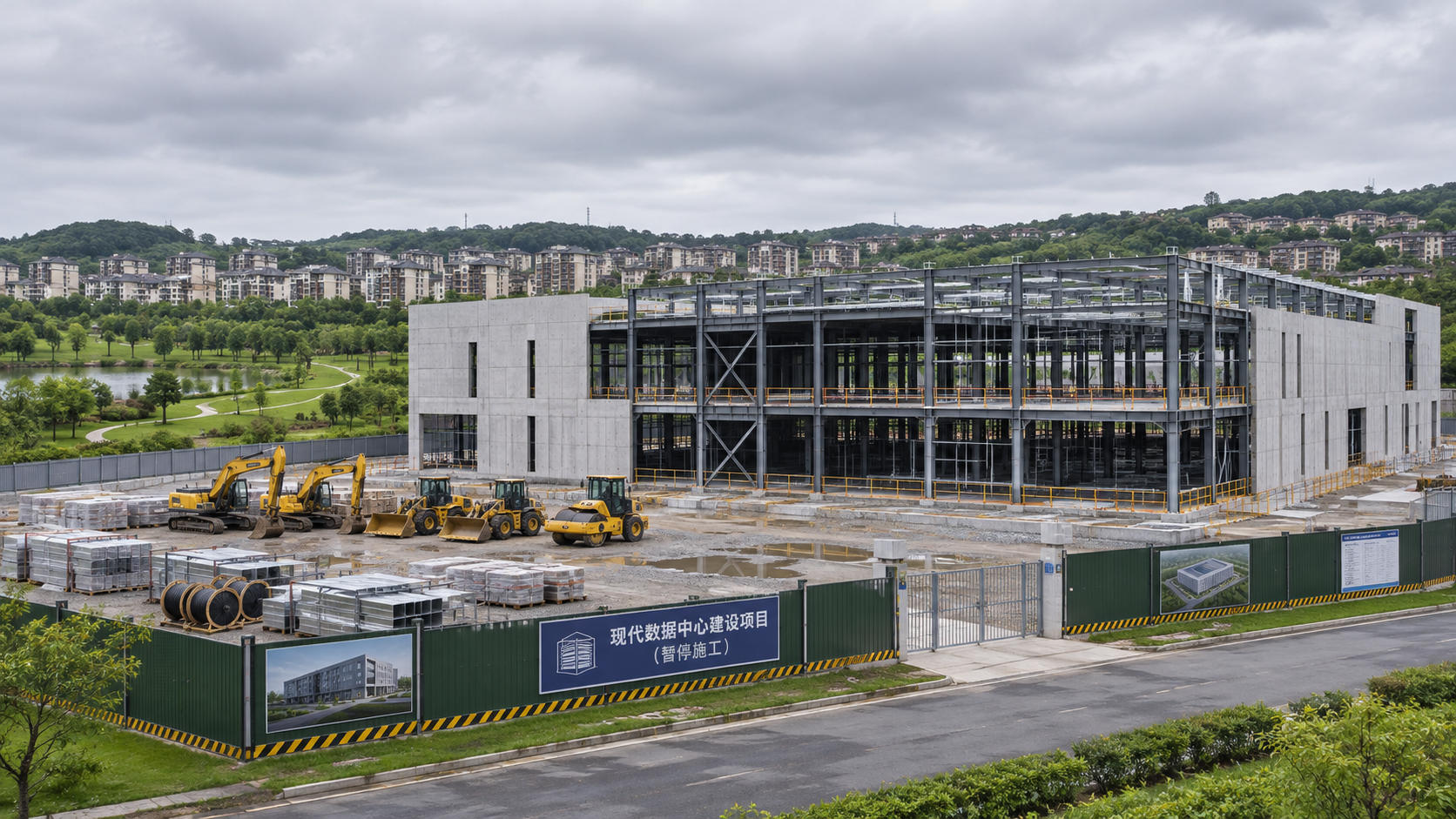
Community opposition blocked or delayed at least 120 data center projects worldwide in the first half of 2026, affecting $198 billion in investment, according to a report attributed to Reuters. The figures point to a challenge for AI infrastructure development: project delivery may depend on how developers address local social and environmental concerns. The supplied information does not identify a new law or regulatory requirement, but the reported disruptions deserve attention from developers, equipment suppliers, contractors and buyers planning projects and deliveries.
Projects face delays or cancellation amid community opposition
According to the supplied Reuters report, at least 120 data center projects worldwide were blocked or delayed in the first half of 2026 because of community opposition. The projects involved $198 billion in investment. The report describes the developments as reflecting growing social and environmental resistance to the expansion of AI infrastructure.
The supplied information does not specify how many projects were blocked and how many were delayed. It also does not identify the projects, their locations, the organizations involved or the particular objections raised.
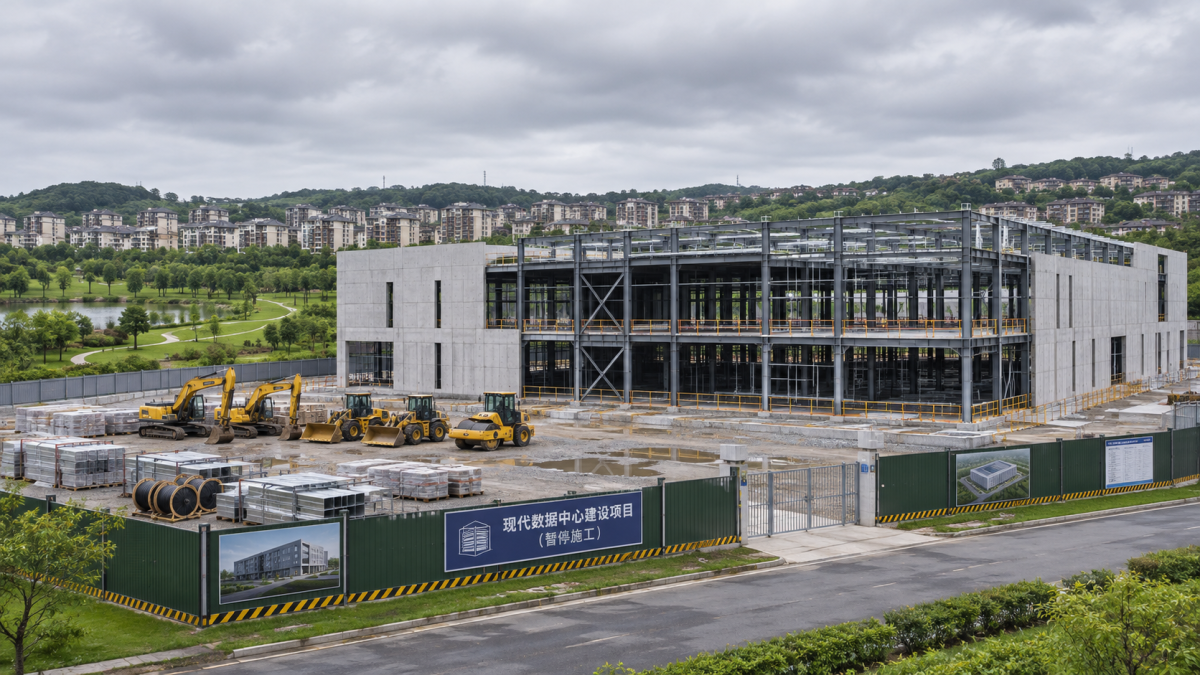
Where project uncertainty can reach the supply chain
Developers and infrastructure buyers
From an industry perspective, a delayed or blocked project can affect decisions well beyond the initial investment. Developers and infrastructure buyers may need to reassess when a site can proceed, when equipment is needed and whether a delivery schedule remains workable. A project that is delayed may eventually move forward, while a blocked project may require a different response; the supplied figures do not establish the outcome for individual projects.
Analysis suggests that buyers should distinguish between an estimated project schedule and a confirmed commitment to proceed. If community objections affect a proposed development, purchasing teams may find it useful to review the conditions attached to orders, the timing of payments and the options available if construction is postponed. These are possible commercial considerations, not requirements established by the reported event.
Equipment manufacturers and integrators
Manufacturers and integrators may encounter uncertainty when production plans depend on a customer's project timetable. A delay could change the requested delivery date for equipment or leave components awaiting a confirmed destination. If a project does not proceed, the commercial consequences would depend on the relevant agreements and the stage of production; the input provides no evidence about actual supplier losses or contract disputes.
For suppliers, the practical question is whether order documents clearly connect production and delivery milestones to the status of the project. Technical specifications may also need review if a customer changes its proposed solution after a delay. Any such change would require confirmation with the buyer rather than an assumption that the original specifications remain suitable or have automatically changed.
Contractors and supply chain service providers
Engineering contractors, logistics providers and other service companies may need to adjust their schedules if a customer postpones a project. Analysis suggests that a change in the expected start date could affect the allocation of personnel, transport arrangements and coordination among suppliers. The scale and duration of those effects would vary by contract and project.
Service providers may therefore want to check how customers communicate schedule changes and what documentation is needed to revise delivery or work plans. The reported disruption does not establish that any new logistics, certification or trade rule has taken effect. It does, however, make the reliability of project information a relevant commercial issue for companies supporting a development.
What to check before committing to a delivery schedule
Confirm the status of each project
Companies assessing an opportunity can ask the customer for the current project schedule, the status of outstanding decisions and any known factors that could change the timetable. Where community opposition has been raised, it may be useful to understand whether the concern relates to the proposed site, the development plan or another aspect of the project. The supplied report does not identify specific concerns, so those details need to be checked separately for each opportunity.
Suppliers can also seek an update when a planned milestone passes without confirmation. This may help distinguish a routine schedule revision from a more substantial change in the customer's plans. It should not be treated as evidence that every project facing opposition will be cancelled.
Review orders, documentation and change procedures
Analysis suggests that buyers and suppliers may benefit from reviewing quotations, purchase orders and contract terms before committing resources. Relevant questions include when an order becomes firm, how delivery dates may be changed, and how the parties will handle equipment already in production if a project is postponed. The answers will depend on the documents and commercial arrangements for the project concerned.
Technical teams may also want to keep an accessible record of the specifications, test information and approvals requested by the customer. If a development plan changes, those records can help the parties identify what needs to be reconfirmed. The reported event does not introduce a new certificate, test or document requirement; any applicable requirement must be verified against the actual project and its governing rules.
Connect procurement timing to verified milestones
Procurement teams may consider linking purchasing decisions to project milestones that can be verified with the customer. For example, a company could review whether to place an order before a development schedule is confirmed, or whether an agreement provides enough flexibility to adjust the delivery date. Such decisions involve commercial trade-offs and should be assessed against the terms available to the parties.
Where equipment is sourced from multiple suppliers, a change to one delivery date may also require coordination with others. Companies can check whether lead times, storage arrangements and installation plans remain consistent after a schedule revision. These are precautionary steps suggested by the possibility of delay, not evidence that the reported projects experienced any particular procurement problem.
Check local requirements as project details emerge
The information supplied does not identify the jurisdictions or approvals associated with the projects. Companies considering a specific development may therefore need to verify applicable local requirements through authoritative sources and project documents. They can also monitor whether public bodies issue further statements or whether a buyer revises its tender or technical documentation in response to project concerns.
Those checks should be tailored to the actual site and transaction. Community opposition alone does not establish that an approval has been refused, that a regulation has changed or that a particular certification is now mandatory. If a customer requests revised evidence or documentation, the scope and reason for that request should be confirmed before changes are made.
A delivery signal, with the rule implications still open
At this stage, the reported figures are best understood as an execution signal: community opposition has been associated with blocked or delayed projects, but the supplied information does not establish a formal change in law, policy, certification or trade rules. The distinction matters because a commercial response to schedule uncertainty is different from demonstrating compliance with a newly issued requirement.
Analysis suggests that later project decisions and official communications could clarify whether the reported resistance leads to changes in development conditions or documentation. Equally, the available information does not establish that such changes will occur. Companies should assess any subsequent rule or tender change on its own terms, including its scope, timing and application to the project in question.
Further detail on the affected projects would also help market participants interpret the figures. The supplied summary does not explain the duration of delays, the distribution of investment among projects or whether delayed projects later proceed. Without those details, the $198 billion figure should be read as the investment associated with the reported projects, not as a confirmed amount lost or permanently cancelled.
Keeping investment plans responsive to project conditions
The reported disruption places community acceptance and environmental concerns alongside schedule and investment considerations for AI data center development. For companies in the supply chain, the immediate issue is how uncertainty at the project level may affect commitments to purchase, manufacture, transport or install equipment.
A measured response is to verify the status and requirements of individual projects, document commercial assumptions and monitor relevant announcements. The report is a reason to examine delivery risk and follow developments; it does not, on the information provided, establish a universal new compliance obligation or a definite outcome for the affected investments.
Basis for this report and points to verify
This article is based on the user-provided news title, event timing and summary, which attribute the reported figures to Reuters. No specific official source link was provided in the input, and the underlying information requires continued verification. For individual projects, relevant sources to check may include official announcements, regulatory publications, project or tender documents, and authoritative media reporting.
Further monitoring can focus on any policy details, approval or certification guidance, changes to tender documents, project decisions and feedback from affected businesses and communities. None of those developments is confirmed by the supplied summary.
Deep Dive
Related Intelligence
 Cloud InfrastructureWhy do project managers choose ERP software with built-in compliance tracking for green building projects?Analyst:IT & Security Director
 Cloud InfrastructureHow do barcode scanners improve inventory accuracy on large-scale construction sites with mixed material deliveries?Analyst:IT & Security Director
 Cloud InfrastructureWhat ERP software features help procurement teams track chemical inventory across multiple construction sites?Analyst:IT & Security Director