SpaceX Completes $40 Billion Debt Financing for GPU Purchases

Key Takeaways
- How Do You Fix Missing Material Specs in a BIM Handover Model?Chief Civil Engineer
- SpaceX Completes $40 Billion Debt Financing for GPU PurchasesIT & Security Director
- How to identify supplier risks with supply chain cybersecurity analysisIT & Security Director
- Palo Alto Networks Confirms PHP2Shell RCE Flaws Affect PAN-OSIT & Security Director
- How much does cold weather reduce the range of electric scooters?Automotive Tech Analyst
- Used EV Battery Aftermarket Could Reach 10%–20% Share Within Five YearsAutomotive Tech Analyst
- Which electric steering components can cause intermittent assist loss?Automotive Tech Analyst
- Crusoe and Araico Plan 106 MW AI Cloud Infrastructure Project in ParaguayIT & Security Director
Industry Overview
We do not just publish news; we construct a high-fidelity digital footprint for our partners. By aligning with TNE, enterprises build the essential algorithmic "Trust Signals" required by modern search engines, ensuring they stand out to high-net-worth buyers in an increasingly crowded global digital landscape.
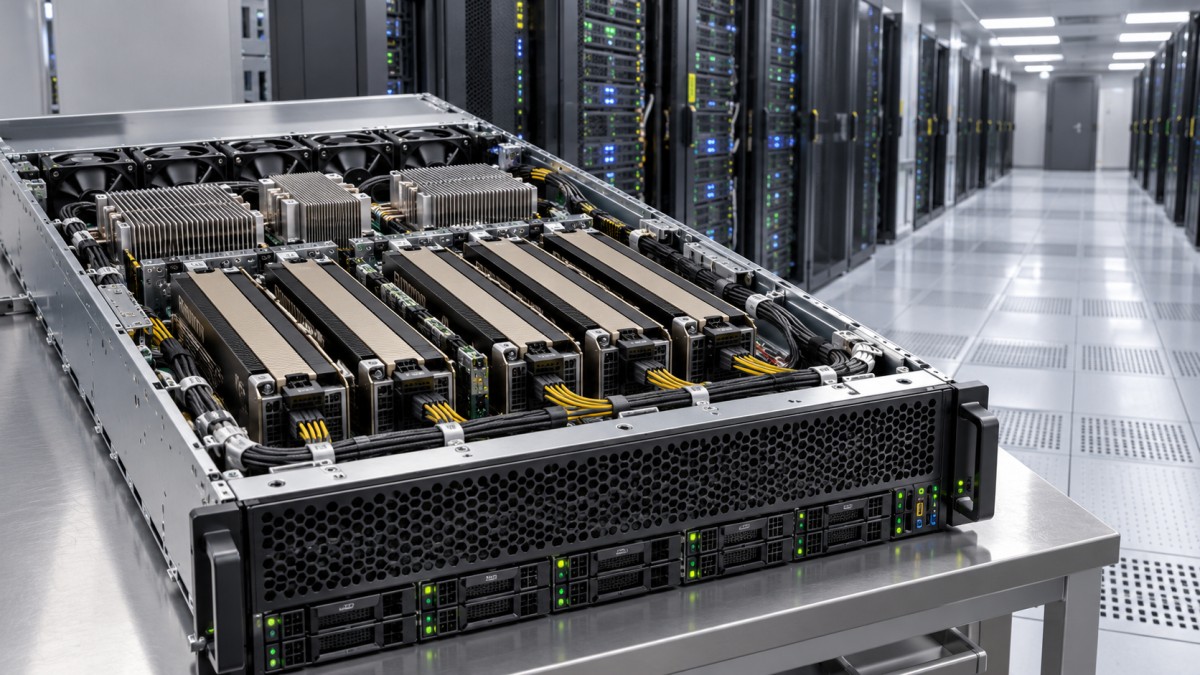
Elon Musk has announced that SpaceX completed $40 billion in debt financing to purchase graphics processing units (GPUs), although the event date is not specified in the supplied information. The announcement puts financing capacity in focus for GPU suppliers, procurement teams and data center equipment integrators. No new policy, trade restriction or certification requirement is identified in the input; from an industry perspective, the development warrants attention as a procurement financing signal whose implications for contracts, compliance checks and delivery planning remain to be assessed.
Musk Links GPU Financing to Credit Quality and Revenue
According to the supplied summary, Musk said SpaceX had completed $40 billion in debt financing for GPU purchases. He attributed the financing to the company's investment-grade credit rating and strong revenue from businesses including Starlink.
The supplied account places the announcement within a broader trend of technology companies raising substantial debt funding to meet growing computing demand associated with AI and data centers.
Financing Capacity Could Shape Procurement and Delivery Discussions
GPU suppliers may need to distinguish funding from purchase commitments
Analysis suggests that financing of this scale could support substantial purchasing activity, making the announcement relevant to GPU suppliers and distribution partners. However, the supplied information does not establish that orders have been placed or identify products, quantities, suppliers or delivery schedules. Suppliers considering potential business could therefore seek confirmed purchase commitments, technical specifications and acceptance terms before adjusting inventory or production allocations.
Equipment integration depends on the eventual purchase scope
From an industry perspective, equipment integrators and supply chain service providers could be affected if GPU purchases lead to related installation or delivery work. The practical implications would depend on the hardware selected and the scope of each contract. Potential participants could review compatibility documentation, handover responsibilities and delivery milestones when procurement details become available; the financing announcement alone does not establish those requirements.
Other buyers may reassess availability assumptions
Analysis suggests that other GPU buyers may wish to monitor whether the announced funding translates into orders that affect supplier availability or lead times. The input provides no evidence of shortages, price changes or revised allocation practices. Procurement decisions would therefore benefit from current supplier quotations and confirmed delivery commitments, with any adjustment tied to observed market conditions.
Contract Details Will Determine the Practical Requirements
Verify the purchasing entity and payment arrangements
As a procurement consideration, prospective suppliers could verify the contracting entity, payment schedule and relevant credit arrangements before extending commercial commitments. Musk's explanation of the financing provides context, but the input does not disclose borrowing terms or supplier payment provisions. Financing completion should therefore be assessed separately from the terms of any individual supply agreement.
Review compliance against the actual transaction
As a compliance consideration, businesses could assess any applicable trade, product or documentation requirements once the GPU models, transaction parties, destinations and intended uses are known. Those details are absent from the supplied information. It would be premature to conclude that a particular authorization, certification or new restriction applies to the proposed purchases.
Link delivery plans to confirmed specifications
As an operational recommendation, procurement teams and suppliers could align technical specifications, acceptance criteria, warranty provisions and delivery milestones before committing resources. The announcement does not identify an implementation schedule. Any preparation for additional capacity, logistics or integration work could therefore proceed in stages as purchase requirements are confirmed.
A Procurement Signal With No Stated Regulatory Change
At this stage, it is more appropriate to understand the announcement as a financing and potential purchasing signal. The supplied information does not identify a newly enacted rule, a change in regulatory enforcement or an amendment to certification standards. It consequently provides no basis for describing the financing as evidence that compliance requirements have changed.
Editorial analysis suggests that the central question is how the reported financing will translate into purchasing activity. Subsequent disclosures about orders, supplier selection and delivery schedules could clarify the implications for the supply chain. Any later change in trade requirements, certification conditions or procurement documentation would need separate verification before being treated as an established development.
Commercial Planning Needs Evidence Beyond the Funding Announcement
From an industry perspective, the announcement highlights the relationship between access to debt funding and the ability to pursue large GPU purchases. Its practical significance for individual businesses will depend on confirmed transactions and their contractual and compliance conditions. A measured response is to monitor procurement developments, verify transaction requirements and adjust delivery plans as supporting information becomes available.
Basis of This Report and Details Awaiting Verification
This article is based solely on the user-provided news title, event timing information and event summary. The event date was not specified, and no specific official source link was supplied. The announcement and its implementation details therefore remain subject to further verification against relevant company announcements or other authoritative reporting as these become available.
Further observation should focus on confirmed purchases, contractual requirements, delivery execution and supplier feedback. Any associated policy details, trade enforcement changes, certification requirements or procurement document revisions would also require independent confirmation; none is established by the supplied information.
Deep Dive
Related Intelligence
 Cloud InfrastructureWhy do project managers choose ERP software with built-in compliance tracking for green building projects?Analyst:IT & Security Director
 Cloud InfrastructureHow do barcode scanners improve inventory accuracy on large-scale construction sites with mixed material deliveries?Analyst:IT & Security Director
 Cloud InfrastructureWhat ERP software features help procurement teams track chemical inventory across multiple construction sites?Analyst:IT & Security Director