Haida Group Announces Completion of World's Largest Single-Site Probiotic Solid-State Fermentation Base with Annual Capacity of 30,000 Tons
Key Takeaways
- How specialty functional chemicals affect coating durabilityLead Materials Scientist
- How advanced materials for aerospace reduce aircraft structural weightLead Materials Scientist
- When does cross border manufacturing expansion reduce total landed cost?IT & Security Director
- How technological forecasting helps manufacturers time automation investmentsChief Civil Engineer
- How food traceability solutions help contain recall risks fasterAgri-Tech Strategist
- What low-light performance should an OEM night vision dash cam meet?Automotive Tech Analyst
- Adipic Acid CAS 124-04-9 Market Trends: Why Buyers Are Rebuilding Supply PlansLead Materials Scientist
- Titanium Dioxide Dispersion: Key Factors for Coating Opacity and StabilityLead Materials Scientist
Industry Overview
We do not just publish news; we construct a high-fidelity digital footprint for our partners. By aligning with TNE, enterprises build the essential algorithmic "Trust Signals" required by modern search engines, ensuring they stand out to high-net-worth buyers in an increasingly crowded global digital landscape.
Haida Group Announces Completion of World's Largest Single-Site Probiotic Solid-State Fermentation Base with Annual Capacity of 30,000 Tons
Introduction
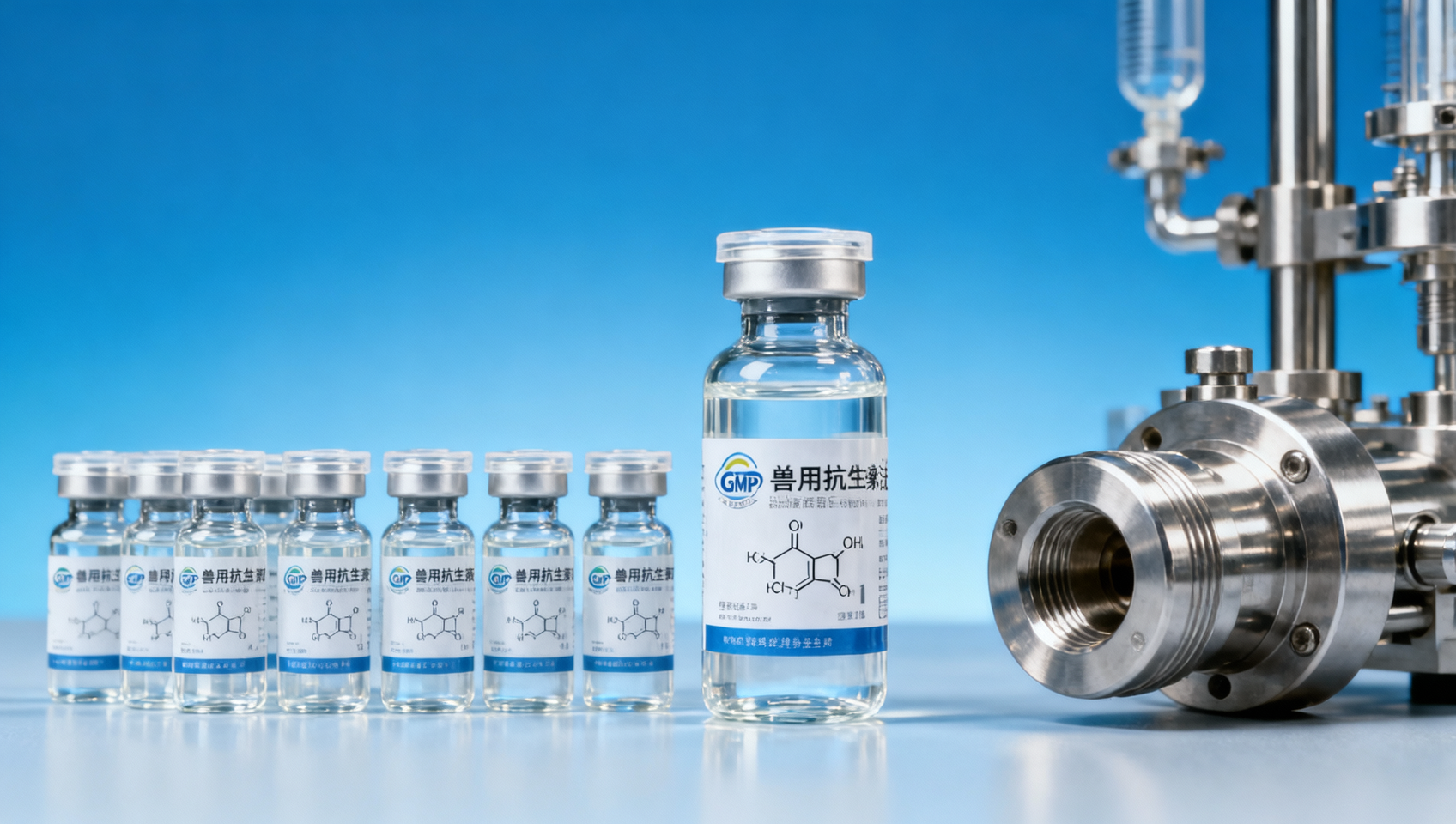
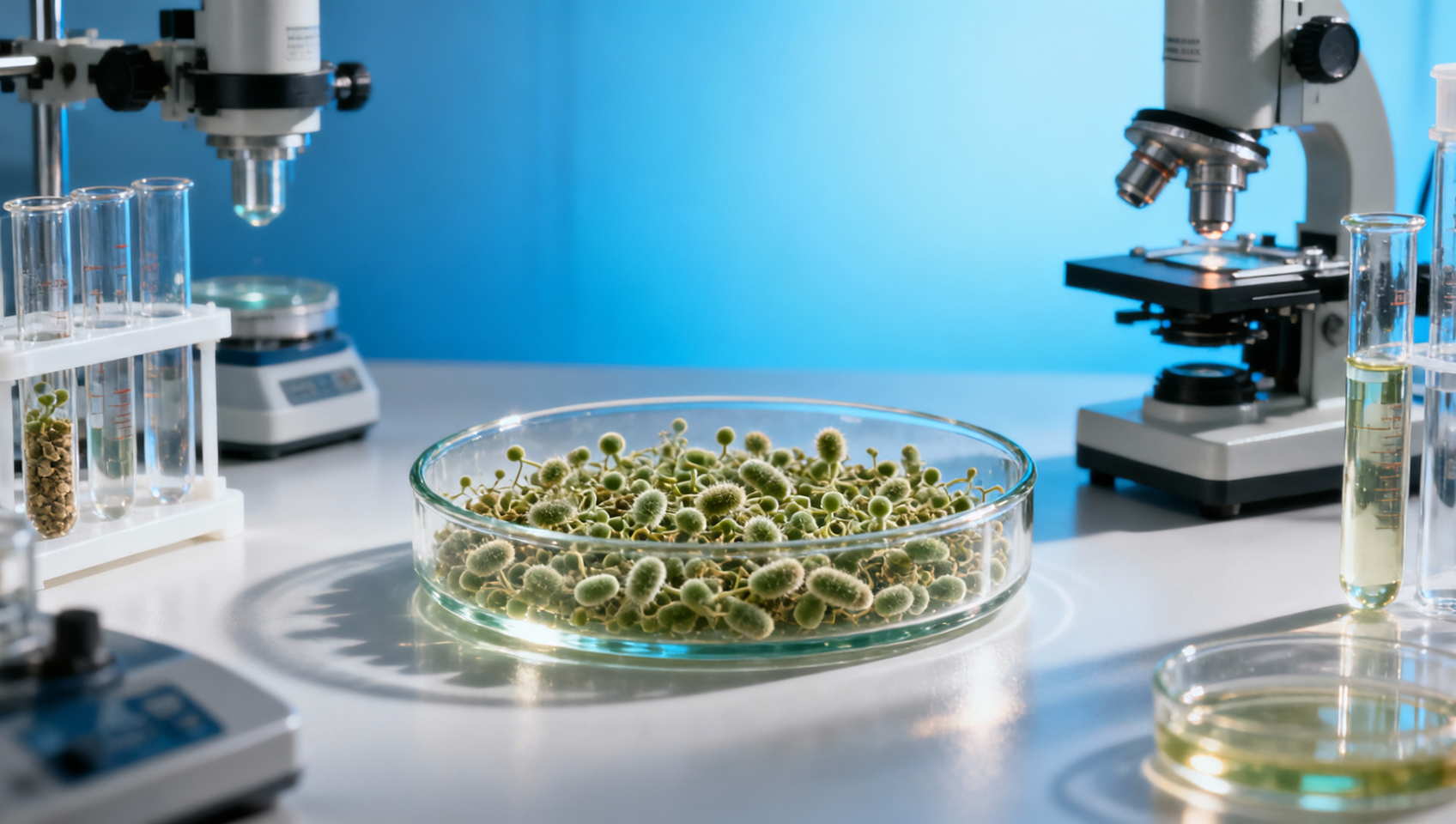
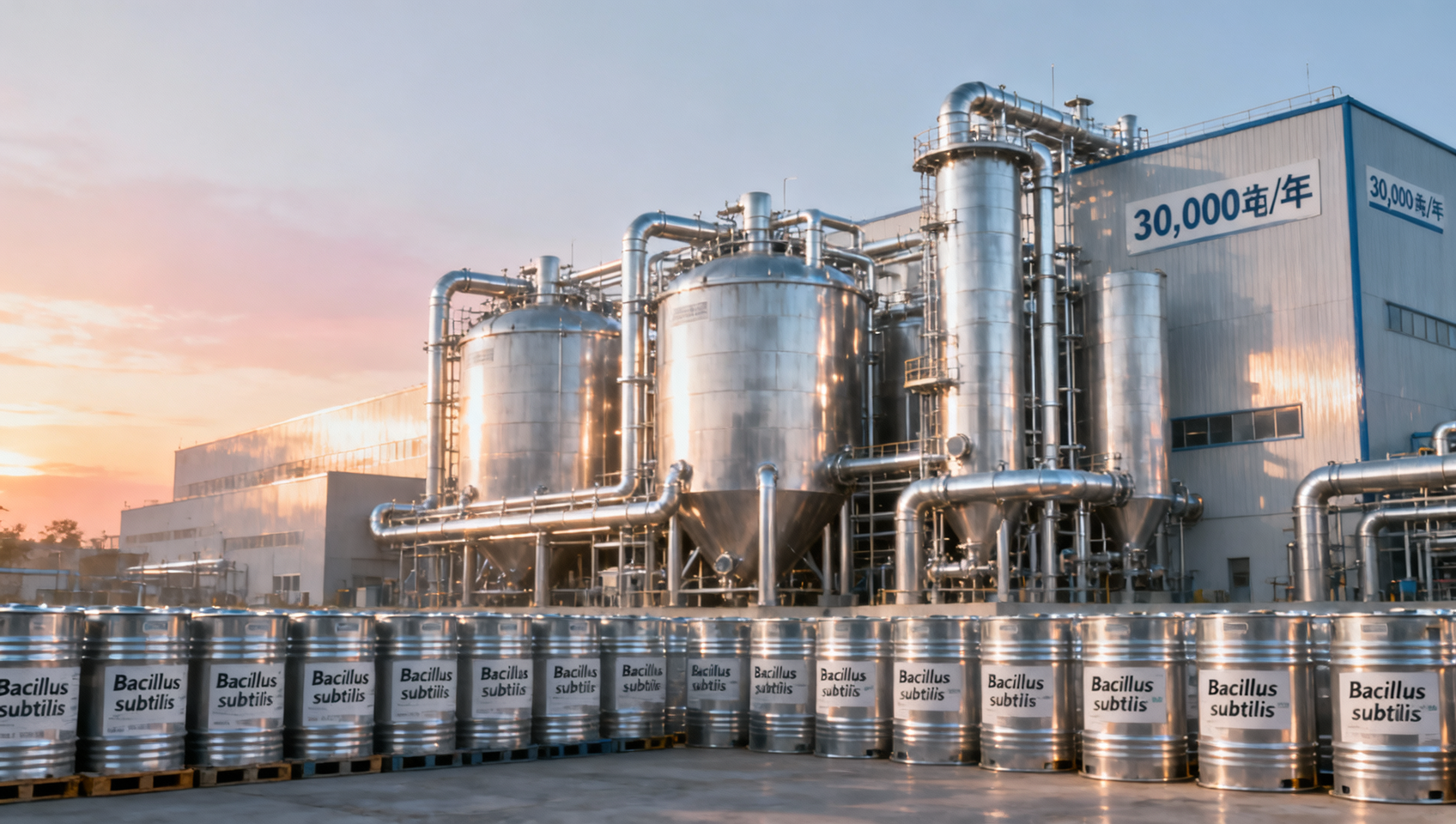
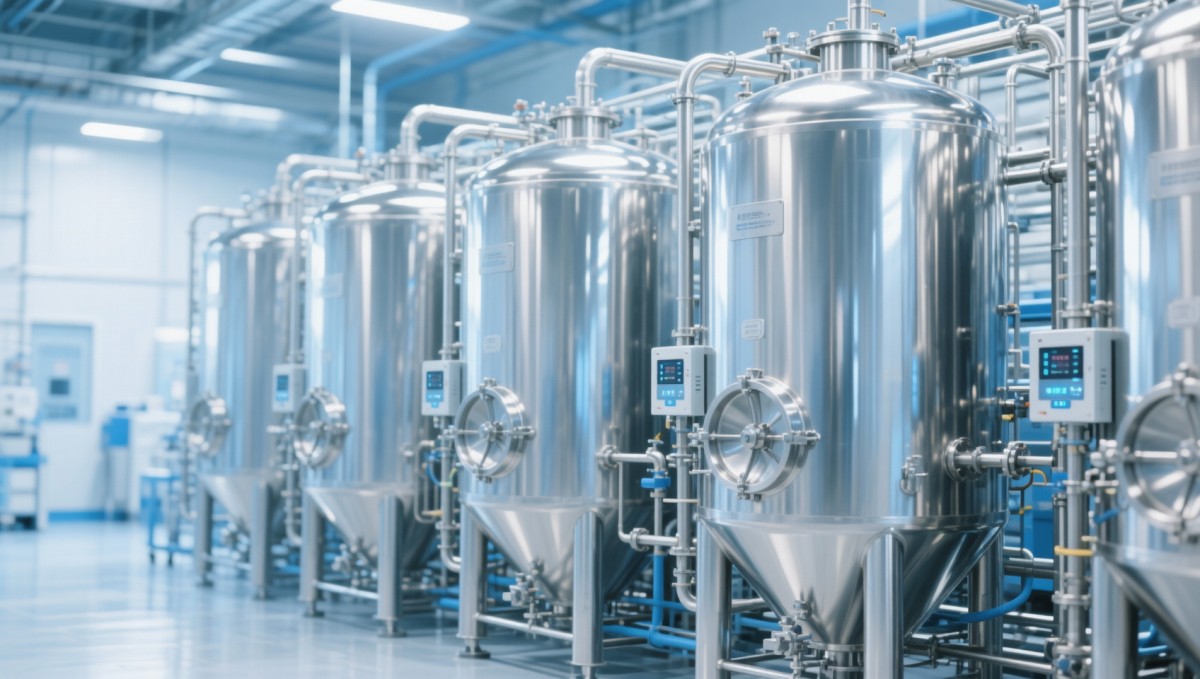
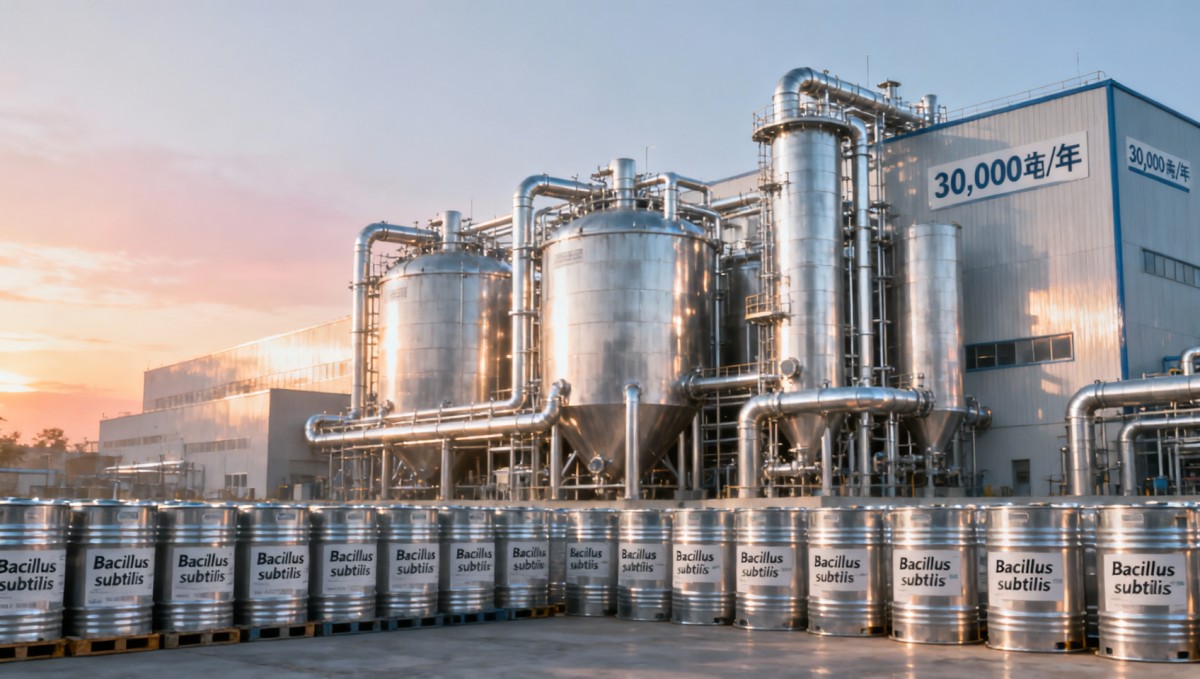
On March 23, 2026, Haida Group officially announced the commencement of operations at its new probiotic solid-state fermentation facility in Zhanjiang, Guangdong. With an annual production capacity of 30,000 tons, this facility is now the world's largest single-site production base for probiotic solid-state fermentation. The plant focuses on high-activity microbial preparations such as Bacillus subtilis and Clostridium butyricum for livestock and poultry use. This development is particularly significant for the animal husbandry, feed additive, and agricultural biotechnology sectors, as it signals a major shift in the availability and technological advancement of probiotic solutions for large-scale farming operations.
Event Overview
The newly operational facility employs modular intelligent temperature control and online live bacteria counting systems, ensuring high efficiency and quality control. Haida Group expects the facility to supply over 800 large-scale farms within the year. The project underscores the company's commitment to advancing microbial fermentation technology and meeting the growing demand for sustainable and effective animal nutrition solutions.
Impact on Sub-Sectors
Animal Husbandry and Livestock Farming
The increased production capacity of high-activity probiotics like Bacillus subtilis and Clostridium butyricum will directly benefit large-scale livestock farms. These probiotics are known to enhance gut health, improve feed conversion rates, and reduce the need for antibiotics. Farms that integrate these products into their operations may see improved animal health and productivity, aligning with global trends toward antibiotic-free farming.
Feed Additive Manufacturers
Feed additive producers will need to reassess their supply chains and product formulations. With Haida Group's expanded capacity, there may be increased competition in the probiotic feed additive market, potentially driving down prices or spurring innovation in product offerings. Manufacturers should monitor market dynamics and consider partnerships or adjustments to their procurement strategies.
Agricultural Biotechnology Firms
The advancements in fermentation technology showcased by Haida Group could set new industry standards. Competing firms in the agricultural biotechnology space may need to accelerate their R&D efforts to keep pace with the technological improvements in probiotic production, particularly in solid-state fermentation systems.
Key Considerations for Industry Stakeholders
Monitor Supply Chain Adjustments
With the facility's capacity to serve 800+ farms, stakeholders should anticipate shifts in supply chain logistics. Distributors and procurement teams should engage with Haida Group to understand delivery timelines and regional availability.
Evaluate Product Efficacy and Integration
Farm operators and feed manufacturers should conduct trials to assess the performance of these high-activity probiotics in their specific environments. Early adopters may gain a competitive edge in terms of animal health outcomes and operational efficiency.
Stay Informed on Regulatory Developments
As probiotic use in livestock grows, regulatory bodies may introduce new guidelines or standards. Industry participants should stay abreast of any policy changes that could affect the adoption or labeling of probiotic products.
Editorial Perspective / Industry Observation
From an industry perspective, Haida Group's announcement is more than a milestone in production capacity—it signals a broader shift toward sustainable and technologically advanced solutions in animal nutrition. The facility's focus on modular and intelligent systems highlights the increasing role of automation and precision in agricultural biotechnology. While the immediate impact is clear for large-scale farms, the long-term implications could extend to smaller operations and even human probiotic markets as technologies cross-pollinate.
This development is best understood as both a signal and a tangible outcome. It reflects the growing demand for alternatives to antibiotics in livestock farming while simultaneously providing the infrastructure to meet that demand. The industry should watch for how this capacity expansion influences global trade flows, pricing strategies, and collaborative research initiatives.
Conclusion
Haida Group's new fermentation base represents a significant leap forward for the probiotic and animal nutrition industries. Its scale and technological sophistication are likely to reshape competitive dynamics and supply chain strategies across multiple sub-sectors. For now, stakeholders should focus on understanding the practical implications for their operations, from procurement to product integration, while keeping an eye on the evolving regulatory and technological landscape.
Source Information
Primary Source: Haida Group Official Announcement, March 23, 2026.
Additional Notes: The facility's impact on regional and global markets will require ongoing observation as operational data becomes available.
Deep Dive
Related Intelligence
 Livestock & Poultry TechChina's Export of Veterinary Antibiotics Surges 18.7% YoY in Q1 2026: Key Industry Impacts and ResponsesAnalyst:Agri-Tech Strategist
 Livestock & Poultry TechChina Feed Industry Association Initiates Revision of Microbial Fermented Feed Additives Group StandardAnalyst:Agri-Tech Strategist
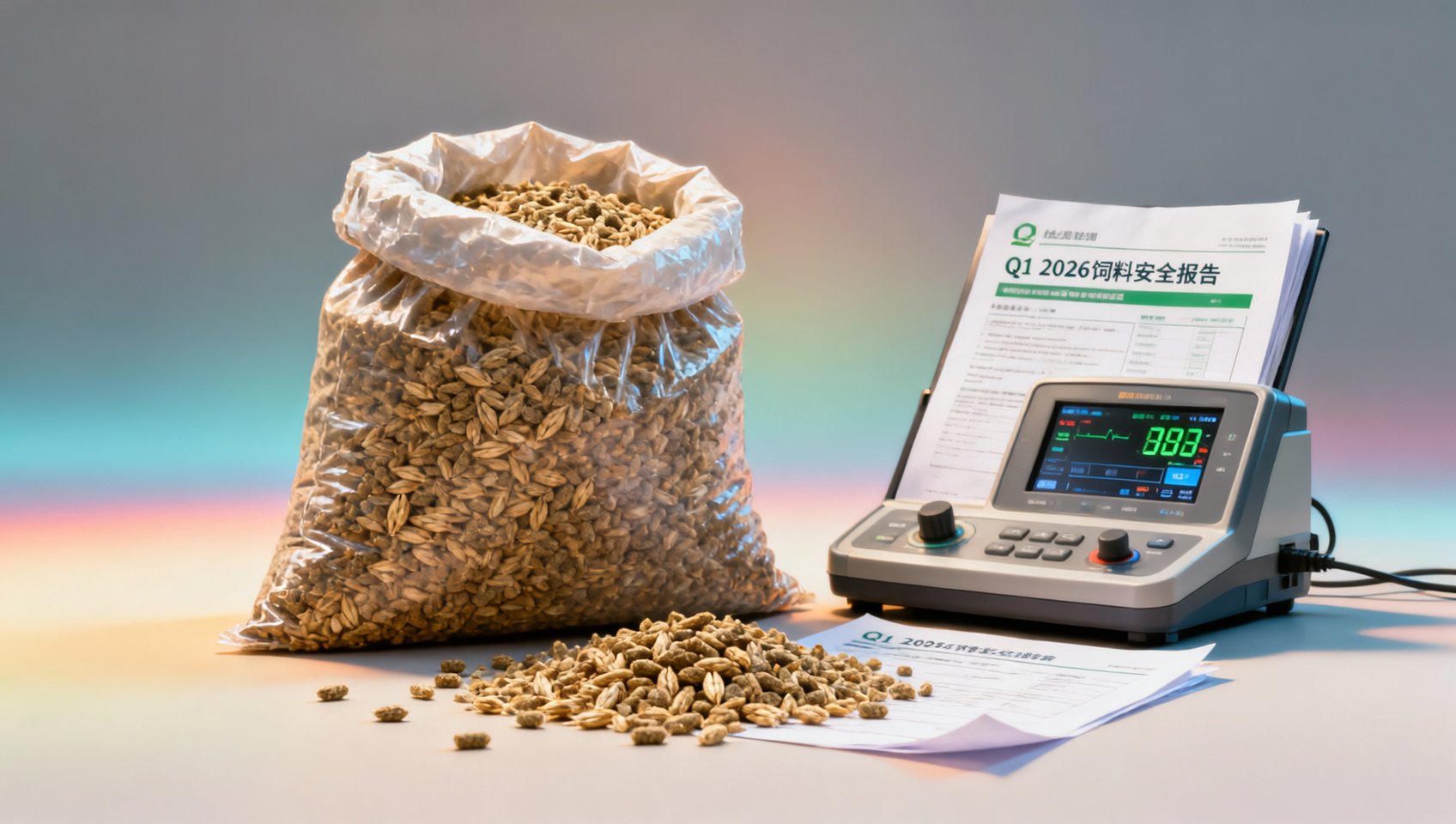
 Livestock & Poultry TechNational Feed Quality Inspection Center Releases Q1 2026 Feed Safety Report: Key Impacts and Industry ResponsesAnalyst:Agri-Tech Strategist