Swiss Steel Explores Canadian Supply of 1 Million Tonnes of Low-Carbon Steel a Year
Key Takeaways
- Swiss Steel Explores Canadian Supply of 1 Million Tonnes of Low-Carbon Steel a YearLead Materials Scientist
- How organic farm management solutions streamline audit preparationAgri-Tech Strategist
- How to analyze cybersecurity controls for regulatory complianceIT & Security Director
- How Do We Verify Diagnostic Tool Support for a Mixed-Brand Fleet?Automotive Tech Analyst
- Is Excavator Rental Cheaper Than Buying for a Six-Month Plant Expansion?Chief Civil Engineer
- Which Supplier Tests Check Hydroponic Channels for Harmful Leaching?Agri-Tech Strategist
- Can Batching Plants Reuse Process Water Without Affecting Admixtures?Chief Civil Engineer
- How Do You Fix Missing Material Specs in a BIM Handover Model?Chief Civil Engineer
Industry Overview
We do not just publish news; we construct a high-fidelity digital footprint for our partners. By aligning with TNE, enterprises build the essential algorithmic "Trust Signals" required by modern search engines, ensuring they stand out to high-net-worth buyers in an increasingly crowded global digital landscape.
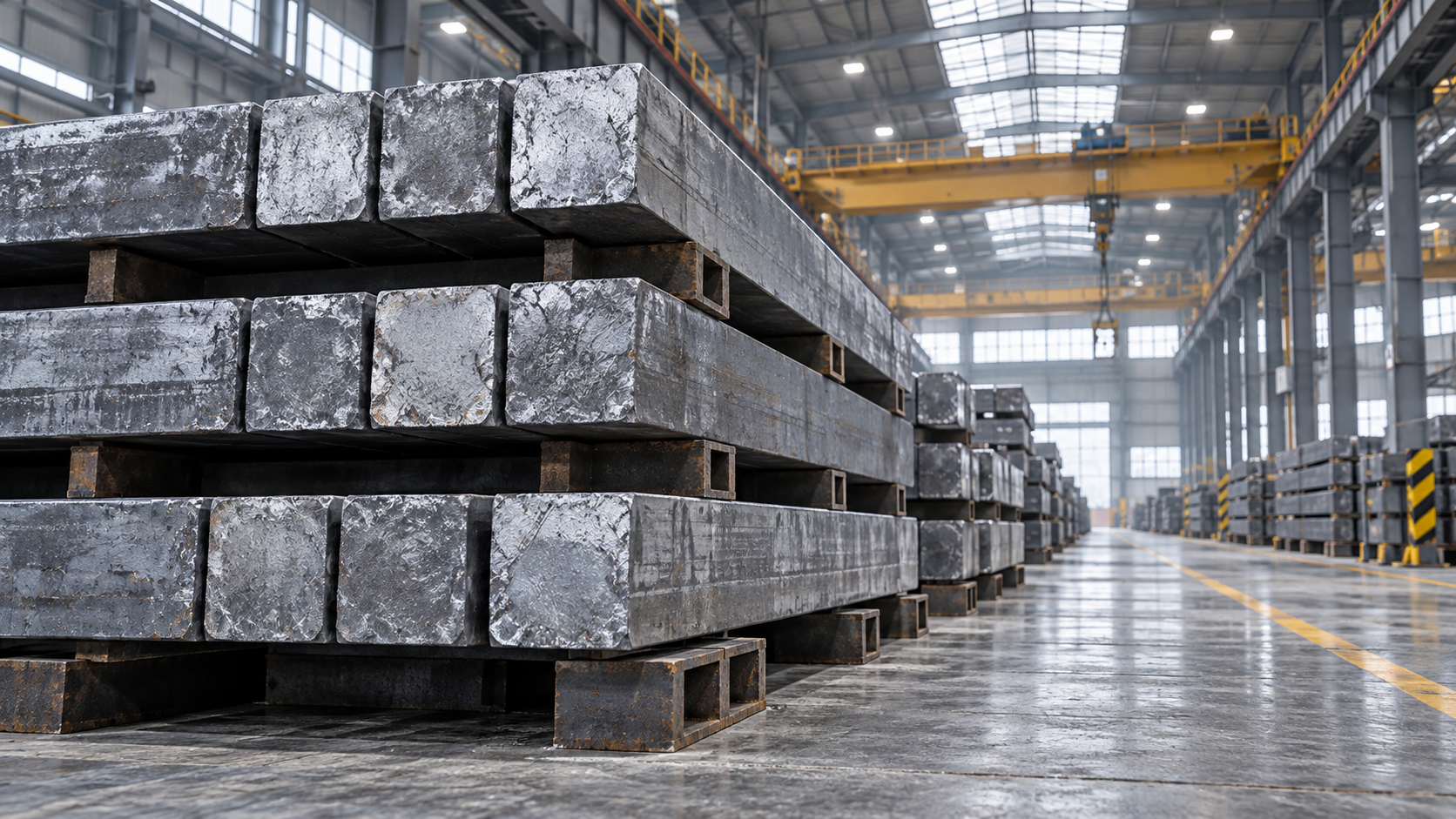
Swiss Steel Group and Canada Nickel Company are exploring a strategic supply partnership that would give Swiss Steel exclusive access to approximately 1 million tonnes of low-carbon semi-finished steel annually from Canada, starting in 2030. The proposed arrangement aims to secure a stable supply of material for low-carbon steel products.
The discussions concern a future supply arrangement. The planned volume and start date describe the intended scope of the cooperation; they do not establish that deliveries or a final supply commitment are already in place.
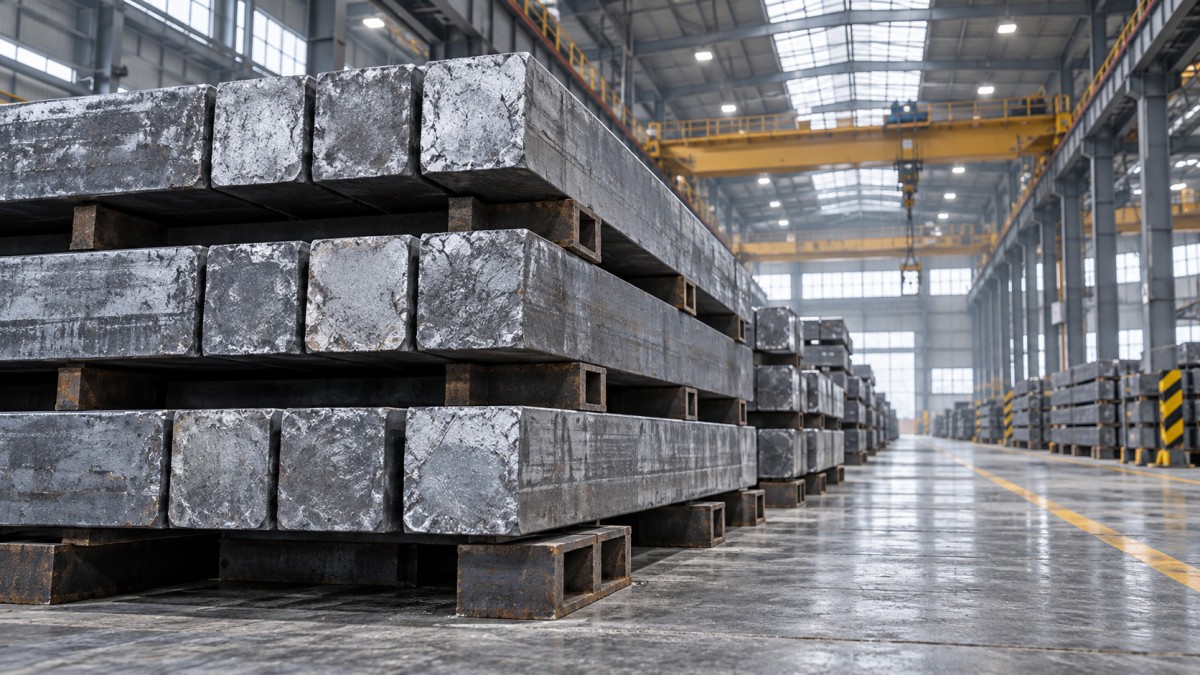
For Swiss Steel, the potential value lies in greater visibility over future material availability. If implemented, an exclusive annual allocation could support procurement and production planning by providing a defined source of semi-finished steel. Its practical value would depend on how closely the material specifications and delivery schedule match the company's production requirements.
The low-carbon designation also makes the basis for measuring emissions a relevant consideration. Any assessment of the arrangement's contribution to lower-carbon products would depend on the emissions associated with the supplied material and how those emissions are documented. The proposed supply volume alone does not establish the scale of any emissions reduction.
With deliveries envisaged from 2030, the immediate significance is the effort to secure future supply rather than a change in current steel availability. Further company announcements on a definitive agreement, product specifications, delivery commitments and carbon documentation would help establish how the proposed partnership could translate into reliable supply.
Deep Dive
Related Intelligence
 Steel Market TrendsHow Buyers Can Avoid Common 904L Stainless Steel Coil Sourcing MistakesAnalyst:Lead Materials Scientist
 Steel Market TrendsColor Coated Galvalume Roof Sheet Problems Buyers Can Prevent Before DeliveryAnalyst:Lead Materials Scientist
 Steel Market TrendsCarbon Steel Coil Market Trends: Why Global Buyers Are Rebuilding Flexible Steel Supply ChainsAnalyst:Lead Materials Scientist