Poultry Farm Equipment in Nigeria: Buyer Setup Guide
Key Takeaways
- When does modular construction reduce a project's total cost?Chief Civil Engineer
- What cloud infrastructure analysis reveals about Singapore latency risksIT & Security Director
- How to verify recycled green building materials meet project standardsChief Civil Engineer
- What to evaluate when comparing cybersecurity analysis providersIT & Security Director
- When does agricultural automation equipment pay off for mid-size farms?Agri-Tech Strategist
- How Tank Design Helps Reduce Oxidation Risks in Edible Oil StorageAgri-Tech Strategist
- How to match heavy duty earthmoving equipment to site conditionsChief Civil Engineer
- When chemical supply solutions reduce the risk of production downtimeLead Materials Scientist
Industry Overview
We do not just publish news; we construct a high-fidelity digital footprint for our partners. By aligning with TNE, enterprises build the essential algorithmic "Trust Signals" required by modern search engines, ensuring they stand out to high-net-worth buyers in an increasingly crowded global digital landscape.
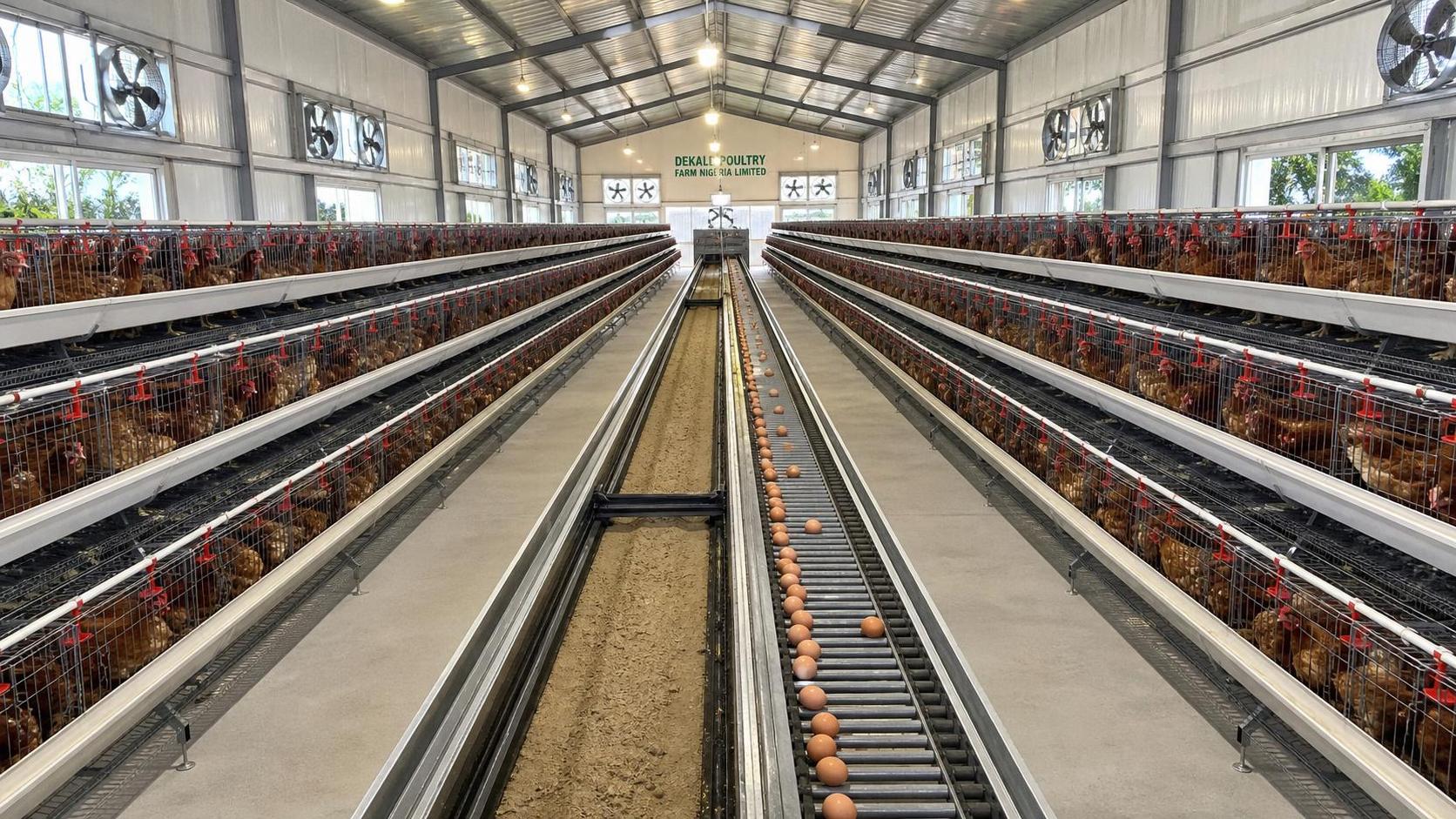
Layers poultry farming in Nigeria requires more than birds and a building. A commercial layer project needs a house layout, cage or floor system, steady water, controlled feeding, ventilation, egg collection, manure handling, power planning, and trained workers. When these items are selected separately, the farm can face installation delays and daily management problems.
This application guide explains how Nigerian buyers can plan an equipment setup for a layer farm. It focuses on practical project decisions: what to prepare first, which equipment groups matter, how to compare supplier offers, and what to check before the first flock arrives.
Start With Capacity and House Layout
The first step is to define bird capacity per house. A buyer may plan 1,000 birds, 5,000 birds, or a larger commercial farm, but the house must match the chosen system. Cage rows, aisles, roof height, ventilation path, water tanks, feed storage, and manure routes should appear on the layout before equipment is ordered.
For Nigerian conditions, heat and power reliability deserve early attention. A dense layer house without proper airflow can quickly become difficult to manage. Automatic systems also need backup power planning. The best layout is the one the farm can operate during normal days and stressful weather.
Core Equipment for a Layer Farm
How to Compare Supplier Offers
Supplier offers should be compared by total project fit, not only the headline price. A complete offer should include cage model, capacity calculation, equipment list, material notes, installation accessories, optional automation, spare parts, and excluded local work. If one offer is lower, check whether it excludes motors, drinkers, frames, controls, or installation support.
For buyers reviewing a poultry farm equipment solution, the useful question is whether the supplier can connect equipment with house layout, climate, labor, water, manure, and expansion. A product list without this connection is not yet a farm setup plan.
Budget Checks Without Fake Prices
Equipment prices vary by bird capacity, automation level, steel specification, accessories, shipping, installation, and local civil work. It is safer to prepare a budget structure than to rely on a random price number. Separate the budget into building work, cages, feeding, drinking, ventilation, manure handling, egg collection, electrical work, installation support, and spare parts.
Also plan operating costs. Labor, electricity, water treatment, feed handling, repairs, and cleaning time all affect the farm after installation. A system that looks cheaper at purchase may cost more if it needs constant correction or has weak spare parts support.
Phased Setup for Nigerian Layer Farms
A phased setup is often safer than buying every option at once. The first phase should make the house usable: cages or housing, drinking, feeding, ventilation, lighting, and manure handling. If these basics are weak, later automation will not solve the farm's daily problems. The second phase can focus on labor-saving upgrades, such as automatic feeding, egg collection, manure belts, and better environmental controls.
The third phase is expansion. A farm that starts with one house should reserve space for the next house, feed storage, water tanks, manure handling, staff movement, and vehicle access. Many farms struggle later because the first building was placed without a long-term site plan. Expansion should be visible in the first drawing.
Risk Checks Before Stocking Birds
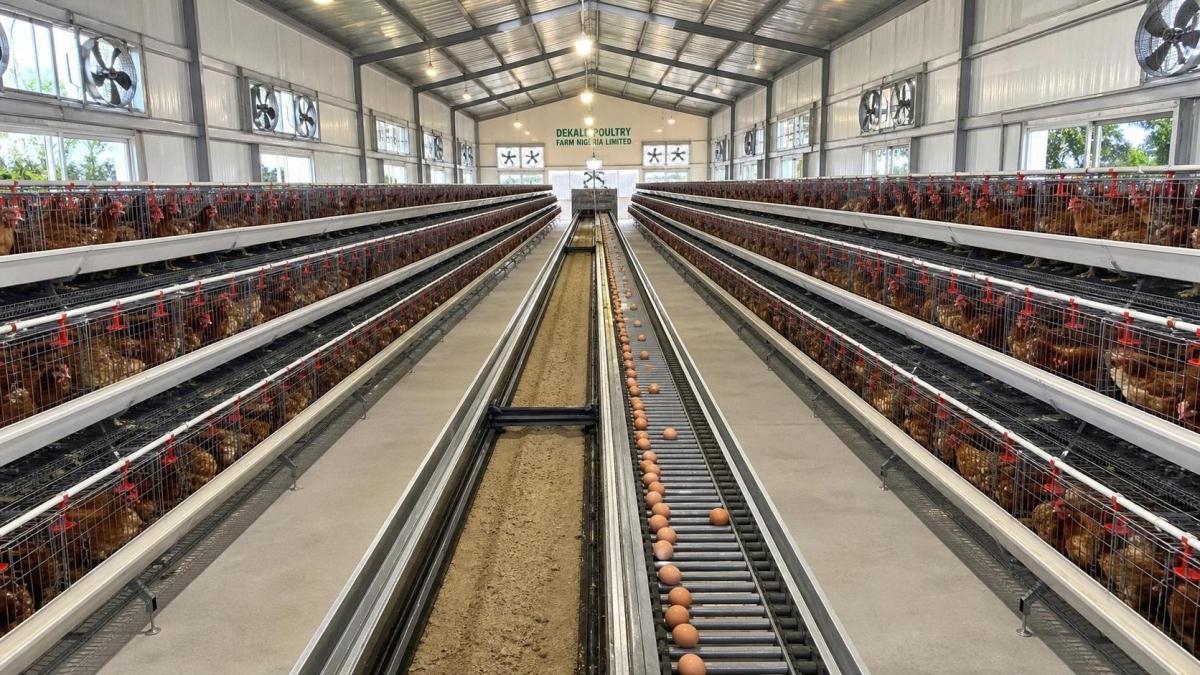
Before birds arrive, the farm should test water lines, feeding access, ventilation, lighting, doors, drains, and manure movement. Staff should walk the house as if they are doing daily work. Can they reach every row? Can they see weak birds? Can they repair a drinker? Can they remove manure without crossing clean egg areas? These checks are simple but important.
The farm should also prepare records. Feed use, water use, mortality, egg production, temperature, and equipment repairs should be recorded from the beginning. Good records help the owner see whether the equipment setup is supporting production or creating hidden problems.
Supplier communication should be tested before the project becomes urgent. Ask how installation questions are handled, which spare parts are recommended, and what information is needed if a component fails. Clear answers reduce downtime and make the first production cycle easier to manage.
It is also useful to assign responsibility inside the farm team. One person should monitor water, another should check feed and eggs, and another should record repairs or mortality. Clear routines make equipment problems visible before they affect the whole house. Review them weekly.
Implementation Steps
- Confirm bird capacity and production model.
- Prepare a house layout before confirming equipment.
- Choose cage or housing type based on management ability and climate.
- Design feeding, drinking, ventilation, manure, and egg routes together.
- Ask suppliers for itemized quotations and drawings.
- Confirm power, water, drainage, and access roads before shipment.
- Train workers on inspection, water checks, cleaning, and emergency handling.
- Keep spare parts on site before the first flock reaches production.
Common Mistakes
The first mistake is building the house before confirming equipment dimensions. The second mistake is ignoring ventilation until birds are already placed. The third mistake is accepting an unclear quotation. The fourth mistake is choosing automation without backup power or trained operators.
A stronger project starts with a full layout and a realistic management routine. The farm should know how birds, workers, feed, water, eggs, manure, and service tools will move every day.
FAQ
What equipment is needed for layer farming in Nigeria?
Typical equipment includes housing or cages, feeders, drinkers, tanks, ventilation, manure handling, egg handling, lighting, and power support.
Is automatic equipment required?
No. It depends on farm size, labor, power, and budget. Larger farms often benefit more from automation, but maintenance planning is essential.
What should be checked before ordering?
Check house layout, capacity calculation, included items, excluded local work, installation support, spare parts, and after-sales process.
Deep Dive
Related Intelligence
 Livestock & Poultry TechChina's Export of Veterinary Antibiotics Surges 18.7% YoY in Q1 2026: Key Industry Impacts and ResponsesAnalyst:Agri-Tech Strategist
 Livestock & Poultry TechChina Feed Industry Association Initiates Revision of Microbial Fermented Feed Additives Group StandardAnalyst:Agri-Tech Strategist
 Livestock & Poultry TechNational Feed Quality Inspection Center Releases Q1 2026 Feed Safety Report: Key Impacts and Industry ResponsesAnalyst:Agri-Tech Strategist