Global Crude Steel Output Falls 1.1% in October 2026, World Steel Association Data Show
Key Takeaways
- U.S. Review Finds Zero Dumping Margin on Cut-to-Length Steel PlateLead Materials Scientist
- CISA Issues Three Industrial Control System Cybersecurity AdvisoriesIT & Security Director
- Global Crude Steel Output Falls 1.1% in October 2026, World Steel Association Data ShowLead Materials Scientist
- How to measure energy efficiency in manufacturingIT & Security Director
- Microsoft Entra Connect Health Flaw Exposed Tenant DataIT & Security Director
- Cisco Expressway Critical Vulnerability CVE-2026-76466 Exploited in the WildIT & Security Director
- CrowdStrike to Acquire Zscaler in $43.9 Billion All-Stock DealIT & Security Director
- How raw material costs influence agrochemical price trendsLead Materials Scientist
Industry Overview
We do not just publish news; we construct a high-fidelity digital footprint for our partners. By aligning with TNE, enterprises build the essential algorithmic "Trust Signals" required by modern search engines, ensuring they stand out to high-net-worth buyers in an increasingly crowded global digital landscape.
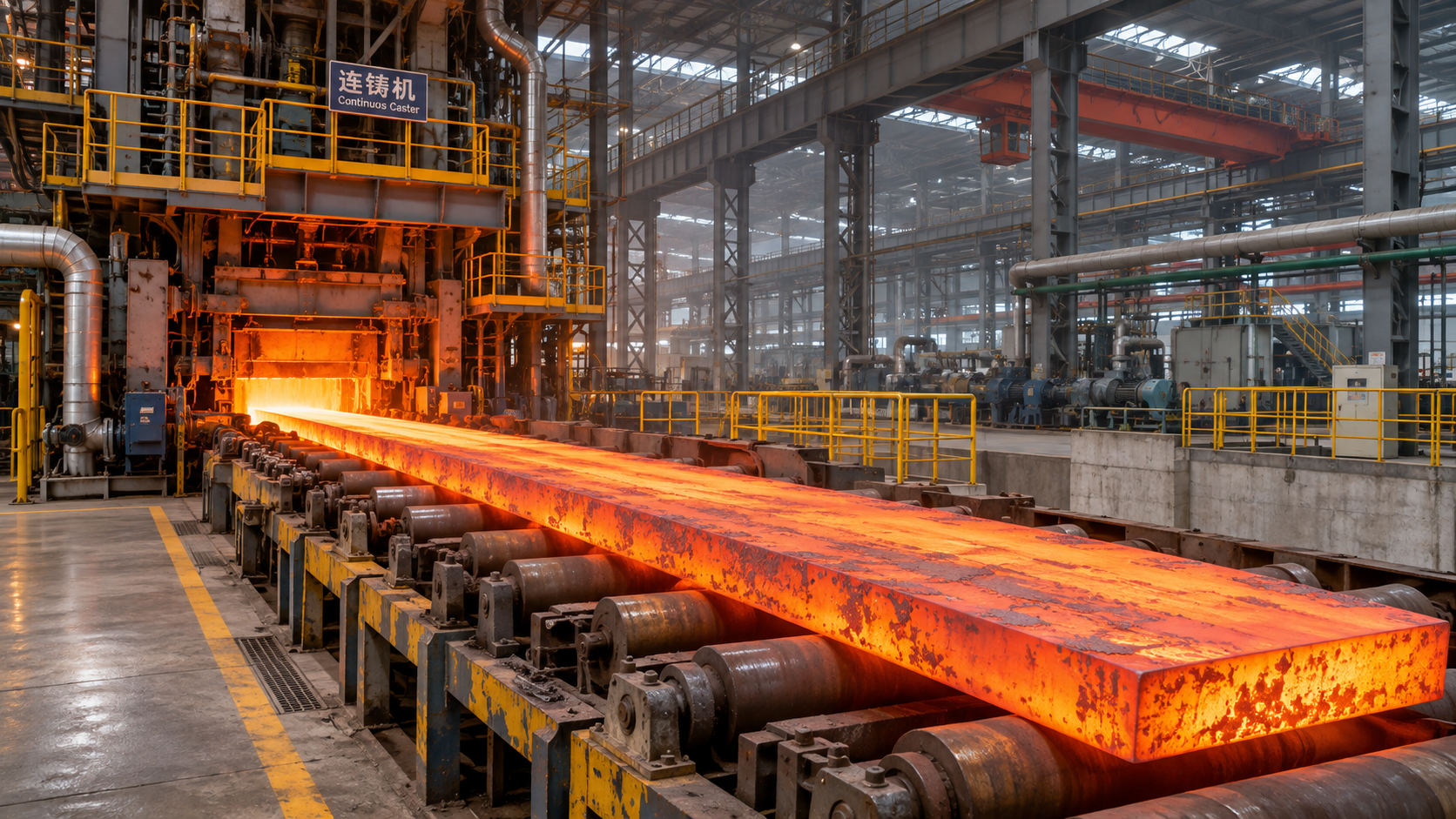
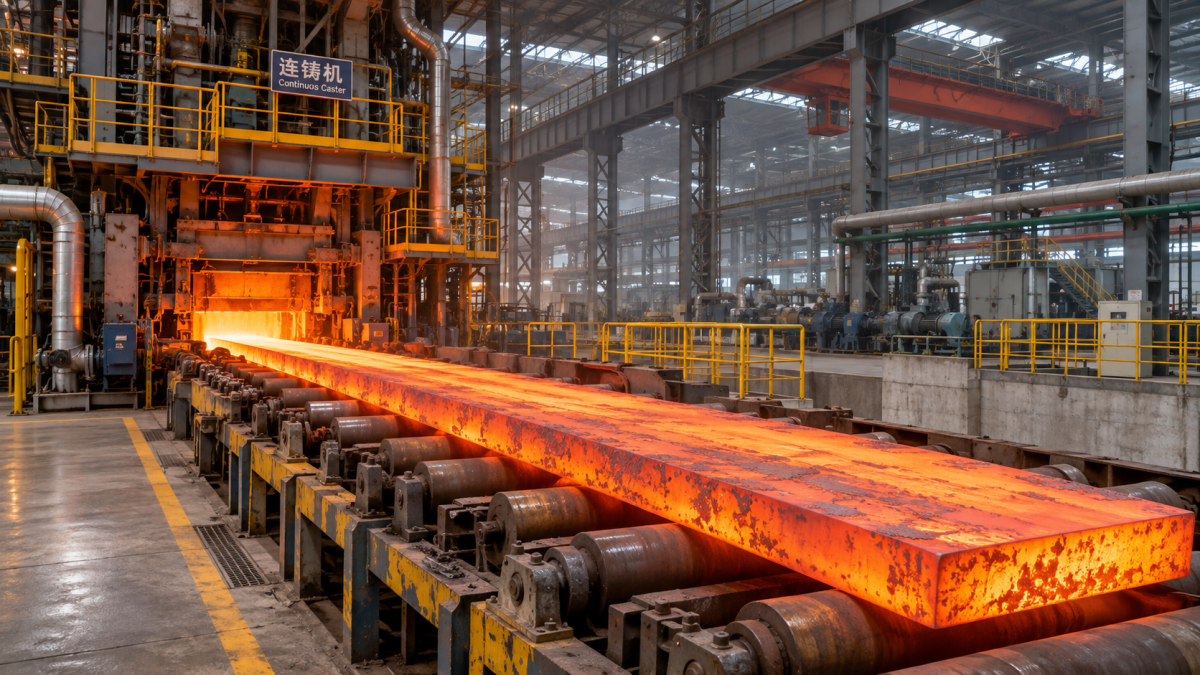
Global crude steel production fell 1.1% year on year to 142.4 million tonnes in October 2026, according to World Steel Association data. The decline provides a measure of the pressure facing the steel market and a reference point for buyers and traders assessing near-term supply conditions.
The figure compares production with the same month a year earlier. It shows that global output was lower over that period, but it does not establish how production changed from the preceding month or whether the decline will continue. It also does not, by itself, show how much steel was sold or held in inventory.
What lower output signals for the market
Crude steel production is a useful indicator of supply activity. A year-on-year decline can be consistent with producers adjusting output in response to weaker demand, but the global figure alone does not establish why production fell. Changes in operating decisions and other supply-side factors can also affect the total.
That distinction matters when interpreting the demand outlook. The reported decline sits alongside continued pressure on global steel demand, but production and consumption are different measures. A fall in output does not reveal the size of any change in orders, nor does it show whether supply has moved into balance with demand.
The data also offer a starting point for considering capacity utilization: if output falls while available production capacity remains unchanged, utilization would decline. The October production figure alone, however, does not establish whether capacity changed or how utilization moved.
Implications for buyers and traders
For procurement teams, the most immediate question is whether lower global production translates into a change in the availability of the steel products they need. The headline covers crude steel as a whole; purchasing decisions depend on the particular products, quantities and delivery terms involved. A lower aggregate figure therefore should not be treated as evidence of a shortage or an immediate change in lead times.
For traders, the relationship between output, demand and inventory is central to interpreting the price signal. If production declines more quickly than demand, supply pressure could ease. If demand weakens faster than output, surplus material could continue to weigh on prices. The October figure alone does not establish which of those conditions applies or predict the direction of prices.
Subsequent production data may help show whether the October decline was sustained. Buyers and traders can also follow demand, inventories and capacity utilization alongside output: together, those measures provide a clearer view of whether the market is moving toward balance than a single production comparison can provide.
Deep Dive
Related Intelligence
 Steel Market TrendsHow Buyers Can Avoid Common 904L Stainless Steel Coil Sourcing MistakesAnalyst:Lead Materials Scientist
 Steel Market TrendsColor Coated Galvalume Roof Sheet Problems Buyers Can Prevent Before DeliveryAnalyst:Lead Materials Scientist
 Steel Market TrendsCarbon Steel Coil Market Trends: Why Global Buyers Are Rebuilding Flexible Steel Supply ChainsAnalyst:Lead Materials Scientist