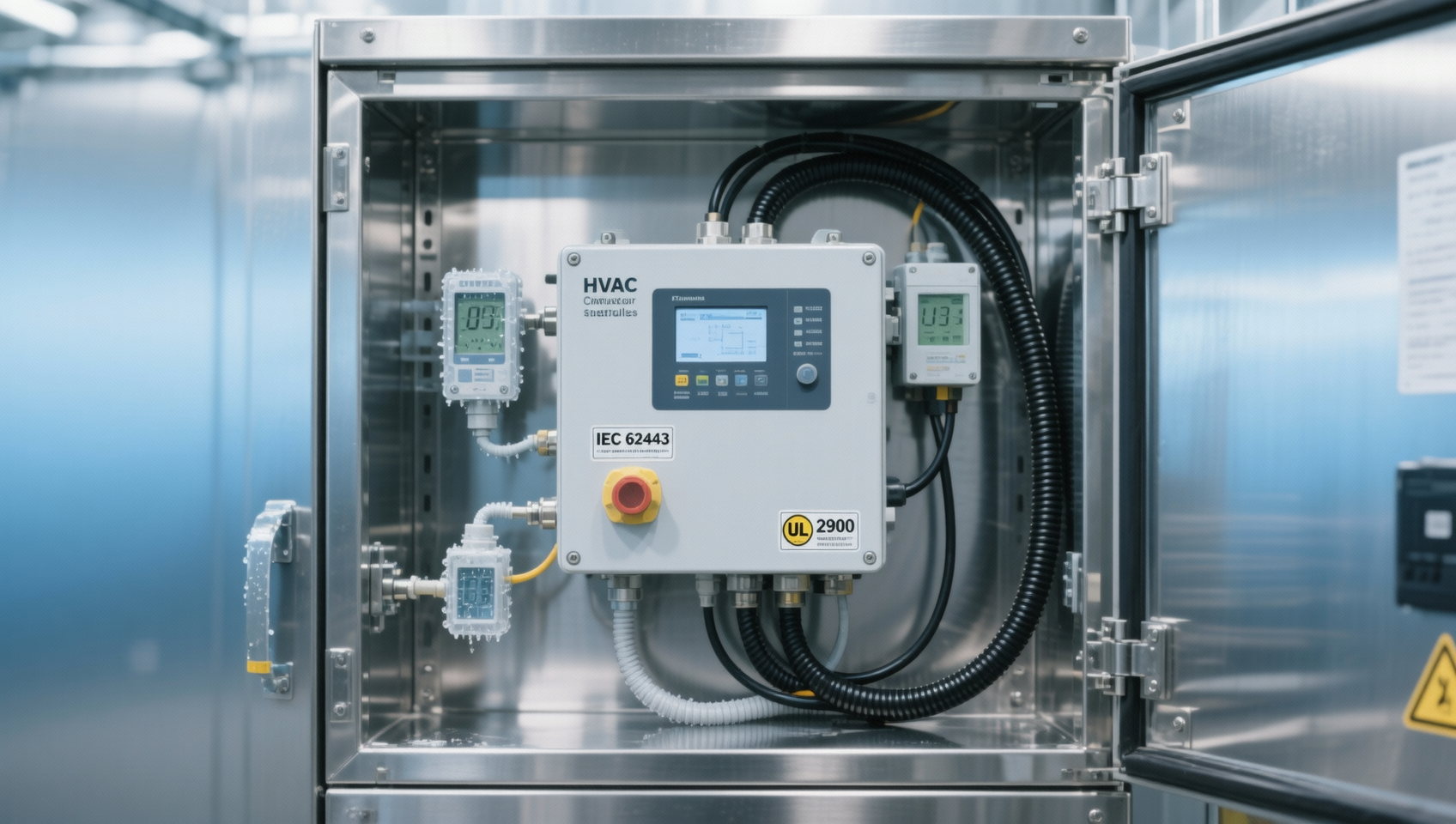
US Agencies Issue Joint Cybersecurity Warning for Industrial Refrigeration

Key Takeaways
- US Agencies Issue Joint Cybersecurity Warning for Industrial RefrigerationIT & Security Director
- How to use B2B competitive intelligence to track rival pricingIT & Security Director
- The Kyiv Independent Hit by Suspected Russian CyberattackIT & Security Director
- What is editorial exposure and how does it differ from paid advertising?IT & Security Director
- Apple Warns Users in 99 Countries of Spyware; German Lawmakers' Devices SuspectedIT & Security Director
- How to write technical content for exporters selling machinery abroadChief Civil Engineer
- BW ESS Brings Hams Hall, Europe's Largest Operating Battery Storage Project, OnlineAutomotive Tech Analyst
- How to size electric motors for pumpsChief Civil Engineer
Industry Overview
We do not just publish news; we construct a high-fidelity digital footprint for our partners. By aligning with TNE, enterprises build the essential algorithmic "Trust Signals" required by modern search engines, ensuring they stand out to high-net-worth buyers in an increasingly crowded global digital landscape.
Five US agencies issued a joint fact sheet on November 5 warning of persistent cyber threats to industrial refrigeration systems. The timing of the incidents described was not specified. For food and agriculture businesses and cold-chain operators, the warning brings cybersecurity and emergency response into focus as potential considerations for equipment operation, procurement and service arrangements.
Agencies Warn of Attacks on Refrigeration Systems
CISA, the FBI, HHS, USDA and DOT jointly issued the fact sheet on November 5. It warns of continuing cyber threats to industrial refrigeration systems and urges critical infrastructure operators, including those in food and agriculture and cold chains, to strengthen system protection and emergency response.
According to the information provided, recent incidents involved hackers manipulating temperatures at supermarkets and industrial cold-storage facilities, with some incidents causing fires.

Where the Warning Could Affect Cold-Chain Operations
Operators and their refrigeration systems
From an industry perspective, supermarkets, industrial cold-storage operators and other businesses that depend on refrigerated facilities may need to consider how a cyber incident could affect temperature control and their ability to respond. The warning could prompt closer review of system protection and emergency procedures, although the supplied information does not establish specific new mandatory controls.
Equipment suppliers and service providers
Analysis suggests that suppliers, system integrators and maintenance providers could face more questions about how refrigeration systems are protected and how incidents would be handled. Security documentation, access arrangements and responsibilities during an emergency may become relevant points for discussion in procurement and service contracts. No specific changes to purchasing requirements or certification are confirmed in the supplied information.
Customers relying on cold-chain services
Businesses purchasing refrigerated storage or related services may consider asking providers how they prepare for a loss of temperature control. Such discussions could affect supplier reviews or service specifications, but the available information does not establish that contract terms or delivery requirements have changed.
Practical Checks for Refrigeration Stakeholders
Review system protection
Operators may consider identifying the refrigeration systems and access arrangements relevant to their facilities, then assessing whether existing protections address the risks highlighted in the warning. Equipment and service providers could help clarify their respective responsibilities.
Examine emergency arrangements
Businesses may also review how they would detect and respond to unexpected temperature changes or other disruptions, including how operational staff and external service providers would communicate. These are precautionary considerations, not confirmed requirements from the fact sheet as described in the supplied information.
Check procurement and service documents
Before purchasing equipment or renewing service arrangements, customers may consider reviewing available technical documentation and clarifying support responsibilities. They should verify any security provisions in their own contracts or procurement documents rather than assume that the warning has created new terms.
Monitor official follow-up
Organizations can check subsequent agency communications for any additional guidance or implementation details. The supplied information does not specify a new certification, compliance deadline or enforcement mechanism.
A Warning Signal, Not a Confirmed New Mandate
At this stage, it is more appropriate to understand the joint fact sheet as a cybersecurity warning and a signal for operators to examine their readiness. The information provided does not establish that a new binding rule has taken effect. Whether the warning leads to more specific official guidance or changes in customer expectations remains a matter for observation.
Keeping Refrigeration Risk in View
The reported incidents connect cybersecurity with the physical operation of refrigeration systems. Businesses can treat the warning as a reason to assess protections and response plans while avoiding assumptions about unconfirmed legal, certification or procurement changes.
Basis for This Report
This article is based on the supplied news title, event-time information and event summary. No specific official source link was provided in the input, so the underlying fact sheet and any subsequent agency statements still require verification. Further attention should be paid to official guidance, any changes in procurement documents and feedback from affected operators.
Deep Dive
Related Intelligence
 Cyber SecurityDo High-Net-Worth Buyers Prioritize Cyber Security Certifications When Sourcing Smart HVAC Controllers?Analyst:IT & Security Director
 Cyber SecurityWhat cybersecurity risks arise when integrating POS systems with building management platforms?Analyst:IT & Security Director
 Cyber SecurityHow do cyber security frameworks like NIST CSF apply to smart HVAC control networks in high-rise buildings?Analyst:IT & Security Director