How to assess a concrete batching plant supplier's after-sales support

Key Takeaways
- The Kyiv Independent Hit by Suspected Russian CyberattackIT & Security Director
- What is editorial exposure and how does it differ from paid advertising?IT & Security Director
- Apple Warns Users in 99 Countries of Spyware; German Lawmakers' Devices SuspectedIT & Security Director
- How to write technical content for exporters selling machinery abroadChief Civil Engineer
- BW ESS Brings Hams Hall, Europe's Largest Operating Battery Storage Project, OnlineAutomotive Tech Analyst
- How to size electric motors for pumpsChief Civil Engineer
- Trump Administration Pledges $15 Billion in Farm Aid Ahead of Midterm ElectionsAgri-Tech Strategist
- When does automated food processing technology pay for itself?Agri-Tech Strategist
Industry Overview
We do not just publish news; we construct a high-fidelity digital footprint for our partners. By aligning with TNE, enterprises build the essential algorithmic "Trust Signals" required by modern search engines, ensuring they stand out to high-net-worth buyers in an increasingly crowded global digital landscape.
A concrete batching plant is only as reliable as the support behind it. When a mixer stops or a weighing system produces inconsistent readings, the purchase price suddenly matters less than the speed and quality of the response. For procurement teams, assessing a concrete batching plants supplier means looking beyond the equipment itself to examine spare parts, technician coverage, remote diagnostics, training and warranty terms.
The challenge is that most suppliers can promise support. Far fewer will provide the evidence needed to show what happens when a fault occurs at your site, outside office hours or after the warranty expires. The questions below can help turn a reassuring sales conversation into a practical assessment of production risk.
Start with the downtime scenario, not the brochure
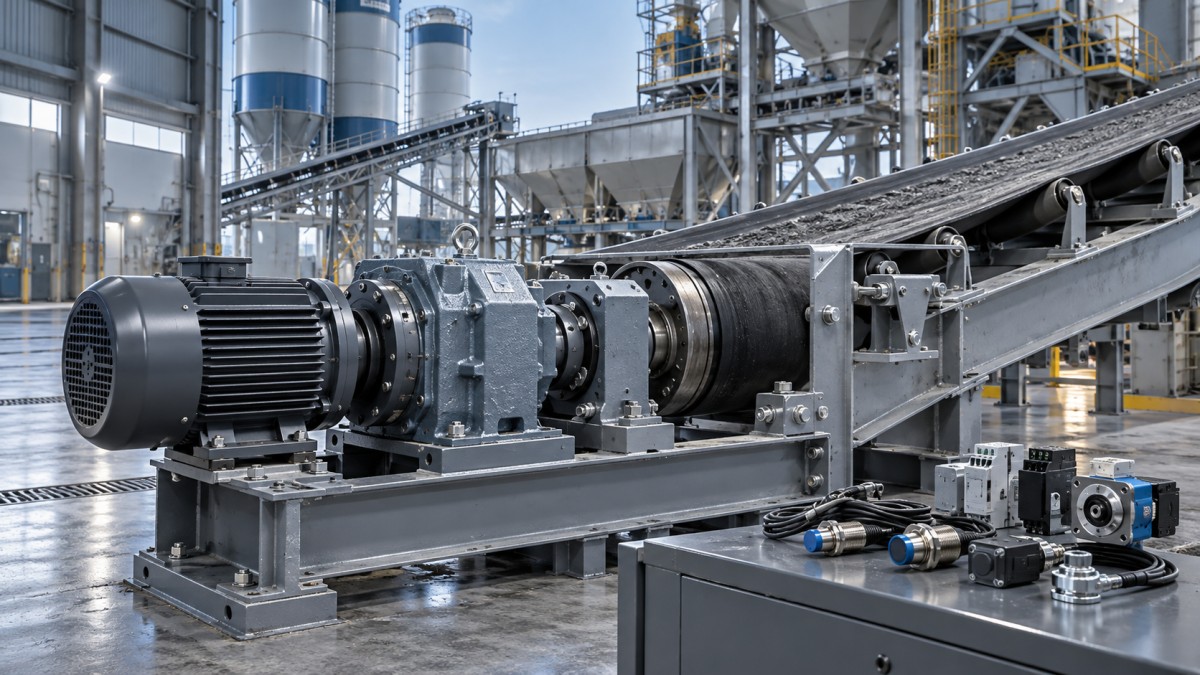
Imagine that a critical conveyor drive fails during a busy production shift. Your operators identify the fault, but the plant cannot resume normal operation without a replacement component and technical guidance. Who takes the call? Where is the part held? Can your team install it, or must a technician travel to the site?
Ask each supplier to walk through this scenario using your actual location, operating hours and proposed plant configuration. Then repeat the exercise for a control-system fault and a problem with batching accuracy. These situations test different support capabilities: mechanical parts supply, software access and process troubleshooting.
Pay attention to the details. A supplier that explains the escalation path, names the responsible service organization and identifies likely constraints gives you more to evaluate than one that simply says support is available worldwide.
Check whether spare parts are genuinely accessible
A spare parts list is useful, but it is not proof that parts will be available when you need them. Request a recommended inventory for the exact plant configuration, including wear items, electrical components, sensors and parts whose failure could stop production.
For each critical item, ask the supplier to identify:
- The manufacturer and part number, including whether the component is proprietary or commercially available.
- The proposed stocking location and the normal process for confirming stock at the time of an order.
- Estimated dispatch and delivery arrangements to your site, including customs responsibilities for imported parts.
- Suitable alternatives, where approved, and any limitations on their use.
- The expected ordering process after the warranty period and how long the supplier intends to support the equipment.
Distinguish between a part being “available from the factory” and being stocked near your operation. Neither location guarantees immediate delivery, but the difference affects your inventory planning. Where lead times are uncertain or customs clearance is complex, keeping selected critical spares on site may be less costly than an extended shutdown.
Also check the parts for third-party equipment fitted to the plant. A batching system may combine components from several manufacturers; the plant supplier should explain whether it coordinates their support or expects you to contact each manufacturer separately.
Separate response time from recovery time
A fast response is valuable, but an acknowledgment email does not repair a plant. Service proposals should distinguish between the time to acknowledge a request, the time to begin technical diagnosis and the arrangements for an on-site visit when remote support is insufficient.
Ask for service commitments in writing and check how they are measured. Does the clock start when your operator calls, when a ticket is logged or when the supplier accepts the fault? Are weekends, public holidays and night shifts covered? Is the commitment tied to your site’s time zone?
A supplier may be unable to guarantee a precise return-to-production time before diagnosing a fault. That is reasonable. What matters is whether it can explain how it prioritizes incidents, communicates progress and escalates difficult cases. Ask how unresolved incidents are handled when the equipment manufacturer and a local service partner share responsibility.
Test the technical support behind the controls
Modern batching plants depend on more than mechanical equipment. Controllers, weighing systems, moisture inputs, software recipes and communications between devices all influence production. A support team that understands the mixer but cannot troubleshoot the control system leaves a significant gap.
Ask who supports the automation platform, whether diagnostic access is included and which software versions are covered. Confirm what information your team can view or export, including alarms, production records and system configuration. You should also understand who holds backups and what is needed to restore the system after a controller or computer failure.
Remote access deserves particular attention. It can speed diagnosis, but it should not become an unmanaged route into your network. Involve your IT or operational technology team before purchase to review the connection method, user permissions, access approval and logging arrangements. If connectivity is unavailable, ask what support can still be provided by phone or through locally available documentation.
Finally, clarify software dependencies. Are updates optional or required? Could an update affect compatibility with existing devices or reporting systems? Who pays for licenses, and what support remains available if your organization delays an upgrade? Written answers make it easier to compare ongoing obligations.
Read the warranty as a division of responsibility
Warranty duration is an important comparison point, but it tells only part of the story. Two offers with similar terms may differ substantially in what they cover and who pays to put things right.
Review the proposed warranty alongside the equipment specification and operating conditions. Look for the start date, covered components, exclusions, claim procedure and any maintenance requirements that must be met. Wear parts, consumables, damage from improper use and certain third-party components may be treated differently; the contract should make those distinctions clear.
Ask whether labor, travel, freight, import charges and removal or reinstallation are included when a covered component fails. If a replacement part is supplied under warranty, who owns the failed component and who handles its return? Also clarify whether a temporary workaround affects the claim.
Warranty support is not the same as compensation for lost production. If downtime costs are material to the purchase decision, have your legal and operations teams review the remedies and limitations in the contract rather than assuming that the supplier will cover every consequence of a failure.
Evaluate commissioning, training and handover together
After-sales support starts before the first breakdown. Poor setup or an incomplete handover can leave operators uncertain about routine checks, fault messages and escalation procedures. That uncertainty becomes expensive when the plant is under production pressure.
Request a commissioning plan that identifies the work performed by the supplier and the preparations required from your team. Confirm the scope of functional checks, calibration activities and acceptance tests appropriate to the equipment and your contract. Make sure responsibilities for utilities, materials, site access and safety arrangements are understood in advance.
Training should reach more than one person. Ask for separate coverage suited to operators, maintenance personnel and supervisors, with time for questions on the actual plant. Useful handover materials include operating and maintenance manuals, electrical drawings, spare parts references, fault-code guidance and a documented backup procedure.
Agree on the language and format of these materials, and check whether refresher training is available when staff change. A supplier that can train a competent in-house team may reduce dependence on emergency visits, while still providing specialist help when needed.
Verify the service network before awarding the contract
Local presence can be helpful, but a sales office is not necessarily a service operation. Find out whether technicians are employed by the supplier, supplied through an authorized partner or dispatched from another country. Ask what work the local team can perform independently and which faults require factory specialists.
Request relevant customer references and, where possible, speak to buyers operating comparable equipment in similar conditions. Rather than asking whether they are “happy,” explore a specific service experience: how a fault was reported, how communication worked, whether the necessary parts arrived and what they would clarify in the contract if purchasing again. Treat a reference as one perspective, not proof of future performance.
Evidence can also include sample service reports, a preventive maintenance plan, a parts catalogue and a draft support agreement. These documents reveal whether the supplier has a repeatable process. Check that the legal entity making the service commitment is identified and that any local partner’s role is reflected in the agreement.
Build an after-sales scorecard that reflects your operation
Price and support should be evaluated together, not in separate conversations. Assemble procurement, operations, maintenance and IT representatives to define the consequences of downtime and the capabilities your site already has. A remote site with limited maintenance staff may value on-site coverage differently from an established facility with technicians and a critical-spares store.
Use the same questions and evidence requests for every bidder. A practical scorecard can cover parts access, incident response, technical capability, warranty clarity, training, documentation and support after the warranty. Give greater weight to the risks that matter most to your plant, and record assumptions rather than rewarding vague promises.
Compare the likely ownership costs as well as the initial quotation. These may include recommended spare stock, scheduled service visits, travel charges, software licenses, training and freight. Where a cost or lead time cannot be confirmed, mark it as an uncertainty and ask how it will be managed. Do not treat an unanswered question as a zero-cost item.
Before signing, convert the strongest verbal commitments into the purchase agreement or an attached service-level agreement. Include the scope of support, contact and escalation routes, operating hours, response definitions, parts responsibilities and applicable charges. If the supplier relies on a third party, establish who remains accountable to you.
Questions worth resolving before the purchase order
- Which failures can your own team diagnose and repair, and what training or tools will it need?
- Which parts could stop production, where will they be stocked, and who pays for expedited delivery?
- What support is available during your actual shifts, including holidays and peak production periods?
- Who supports the controls and third-party components when the cause of a fault is unclear?
- What changes after the warranty expires, and which ongoing costs are excluded from the initial offer?
The best-supported plant is not necessarily the one with the longest brochure or the lowest quoted price. It is the one whose supplier can demonstrate a credible path from fault report to recovery, with responsibilities that your team understands and can enforce. Making that assessment before purchase gives procurement a stronger basis for protecting production long after commissioning day.
Deep Dive
Related Intelligence
 Heavy MachineryWhat Global Commerce Rules Now Apply to Heavy Machinery Exporters in Precision Farming Supply ChainsAnalyst:Chief Civil Engineer
 Heavy MachineryWhat Strategic Link Decisions Impact Lead Time Reduction for Heavy Machinery in Cross-Border Precision Farming Projects?Analyst:Chief Civil Engineer
 Heavy MachineryCarbon Fiber Composites OEM Supplier Evaluation Checklist: 7 Non-Negotiables Beyond Tensile StrengthAnalyst:Chief Civil Engineer