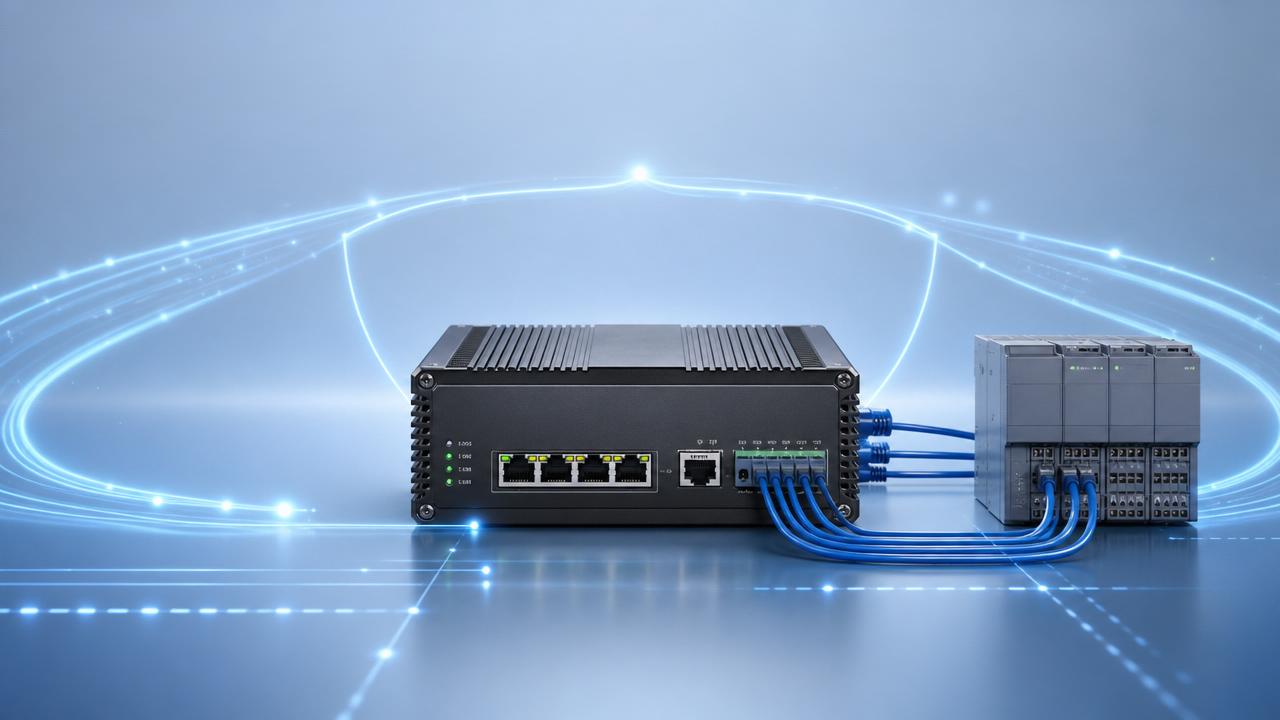
Industrial Routers with VPN Support: Security Risks to Test
Industrial routers with VPN support are essential for secure remote access, segmented operations, and resilient industrial connectivity—but they can also introduce hidden attack paths if configurations, firmware, and authentication controls are not rigorously tested.
For technical evaluators, the real question is not whether VPN-enabled routers improve security, but how well they withstand credential abuse, misconfiguration, encryption weaknesses, and supply chain risks.
This guide outlines the key security risks to assess before deployment, helping teams validate device trustworthiness in complex OT, IIoT, and enterprise edge environments.
Start with the Real Evaluation Question: What Could This Router Expose?
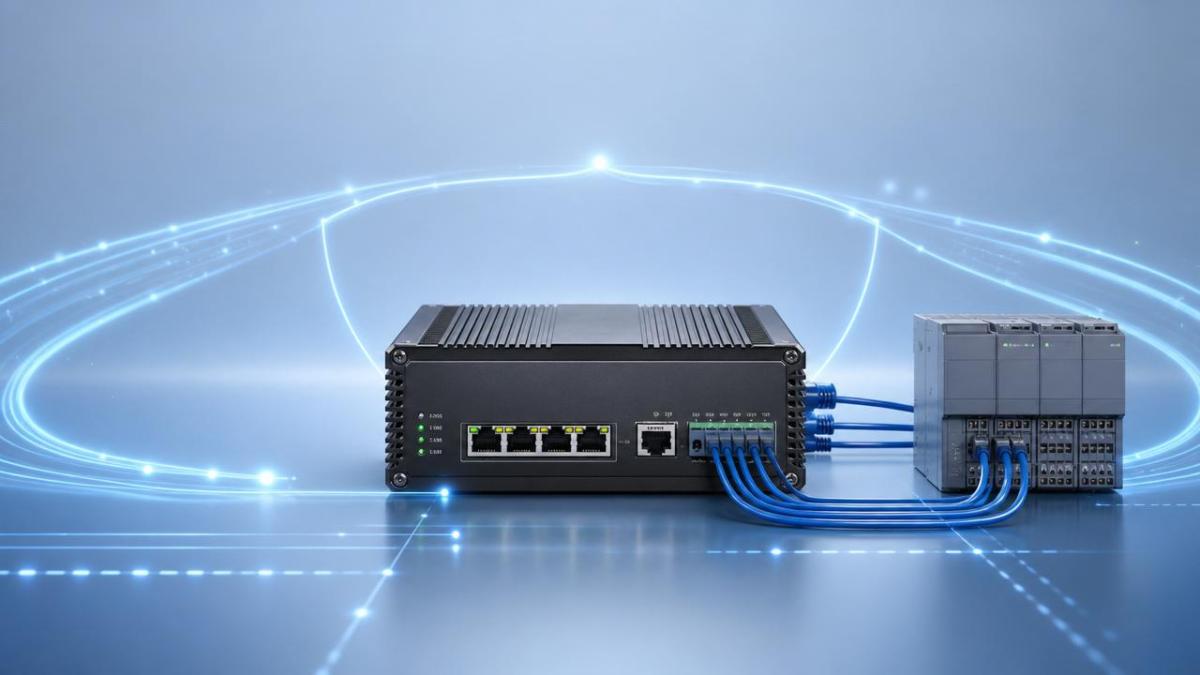
Technical evaluators usually search for industrial routers with VPN support because they need secure remote access without weakening operational environments.
The decisive issue is not the VPN checkbox. It is whether the router can enforce identity, segmentation, encryption, logging, and recovery under pressure.
In industrial networks, a weak router can become a bridge between business systems, vendor laptops, cellular links, PLCs, cameras, and safety-adjacent assets.
That makes evaluation different from ordinary enterprise networking. You are not only testing throughput or uptime, but also blast radius and operational consequence.
A good assessment should answer three practical questions: who can connect, what can they reach, and what evidence remains after abnormal activity.
VPN Support Can Reduce Risk, but It Also Concentrates Trust
VPN capability is valuable because it replaces exposed management ports, unsecured remote desktop workflows, and informal access methods with encrypted tunnels.
However, the VPN gateway also becomes a high-value target. If attackers compromise it, they may inherit trusted access into sensitive industrial zones.
This is why evaluators should avoid treating VPN support as a binary feature. Protocol choice, authentication design, certificate handling, and access policy matter more.
For example, an IPsec implementation with weak pre-shared keys may be less trustworthy than a properly configured certificate-based OpenVPN or WireGuard deployment.
The best industrial routers with VPN support make secure defaults practical. They should discourage broad tunnels, shared accounts, outdated ciphers, and unmanaged vendor access.
Test Authentication Against Credential Abuse, Not Just Login Success
Credential abuse remains one of the most realistic attack paths for VPN-enabled industrial routers, especially where vendors and maintenance teams share access.
Evaluators should verify whether the router supports unique user identities, role-based permissions, multi-factor authentication, and integration with centralized identity systems.
Shared VPN accounts are difficult to investigate after an incident. They also make it nearly impossible to revoke one technician without disrupting others.
Test failed-login handling carefully. The device should support rate limiting, lockout policies, alerting, and clear audit records for repeated authentication attempts.
Certificate lifecycle management is equally important. Confirm how certificates are issued, stored, rotated, revoked, and protected from export or unauthorized reuse.
If the router supports local accounts, check whether default credentials are disabled at commissioning and whether password complexity can be enforced consistently.
Inspect VPN Protocols, Encryption Choices, and Legacy Compatibility
Many industrial sites keep equipment for years, so compatibility pressure can lead teams to accept weak VPN protocols or outdated encryption settings.
During evaluation, identify every supported VPN mode, including IPsec, SSL VPN, OpenVPN, WireGuard, GRE over IPsec, and vendor-specific remote access services.
Then test which protocols are enabled by default. A router that supports strong encryption but ships with weak options exposed creates unnecessary risk.
Avoid obsolete algorithms and insecure negotiation behavior. Look for modern cipher suites, strong key exchange, certificate validation, and resistance to downgrade attacks.
Technical teams should also test rekeying behavior and tunnel stability. Security controls lose value if they cause unpredictable downtime during routine operations.
The goal is not maximum cryptographic complexity. It is a verifiable configuration that balances confidentiality, integrity, latency, and maintainability.
Validate Segmentation: A VPN Tunnel Should Not Equal Full Network Access
One of the most serious mistakes is allowing VPN users to reach entire industrial networks after successful authentication.
Remote access should be limited by role, destination, protocol, schedule, and operational need. Maintenance access to one controller should not expose every subnet.
Evaluators should test whether firewall rules apply inside VPN tunnels and whether policies can distinguish users, groups, interfaces, and asset classes.
Check for split tunneling behavior, routing leaks, and unintended access between cellular, Ethernet, Wi-Fi, and serial-connected segments.
In OT environments, flat access often creates silent exposure. A contractor entering through a VPN should not automatically reach engineering workstations or historians.
Effective industrial routers with VPN support should make least-privilege access operationally realistic, not merely possible through complex manual rule construction.
Assess Management Plane Exposure and Remote Administration Controls
VPN security can be undermined if the router management interface is exposed through public IP addresses, weak LAN policies, or cloud dashboards.
Confirm which services listen on each interface, including web administration, SSH, Telnet, SNMP, API endpoints, discovery tools, and vendor support channels.
Disable unnecessary services and verify that management access can be restricted to dedicated administration networks or specific VPN administrator roles.
Web interfaces deserve special attention. Test session timeout, CSRF protection, TLS certificates, upload validation, and behavior after privilege changes.
SNMP should be evaluated carefully, especially in legacy deployments. Default community strings and excessive read permissions can reveal valuable network intelligence.
If cloud management is included, review tenant isolation, administrator roles, data residency, audit trails, and the process for emergency access suspension.
Firmware Integrity and Patch Process Are Core Security Requirements
Industrial routers often remain deployed in harsh or remote environments, where patching is infrequent and maintenance windows are difficult to schedule.
That makes firmware quality and update governance central to any security evaluation, not a secondary procurement detail.
Check whether firmware images are signed, whether the router verifies signatures before installation, and whether rollback protection exists for known-vulnerable versions.
Ask how security advisories are published and whether the vendor provides CVE references, remediation timelines, and practical configuration workarounds.
Evaluators should also test update reliability. Failed firmware upgrades should not leave remote facilities unreachable without a recoverable boot option.
For regulated environments, record how firmware versions are inventoried, approved, deployed, and verified across distributed router fleets.
Look for Supply Chain and Vendor Remote Access Risks
Industrial routers are part of the digital supply chain. Their hardware, firmware, libraries, cloud services, and support processes all influence risk.
Technical evaluators should request a software bill of materials where available, especially for routers using embedded Linux, VPN libraries, or web frameworks.
Vendor remote access features need strict review. Convenience functions can introduce persistent backdoors if they bypass enterprise identity and logging controls.
Clarify whether vendor support sessions require customer approval, whether sessions are time-limited, and whether all actions are recorded for audit purposes.
Also review manufacturing provenance, secure boot capabilities, tamper resistance, and procedures for reporting suspected device compromise.
A trustworthy supplier should provide transparent security documentation, not only marketing claims about ruggedness, connectivity, or industrial-grade reliability.
Test Logging, Monitoring, and Incident Evidence Before Deployment
Security incidents are harder to contain when routers generate limited logs or overwrite important events before analysts can investigate.
Evaluate logs for VPN connection attempts, authentication failures, configuration changes, firewall blocks, firmware updates, administrative actions, and tunnel establishment details.
Logs should be exportable to SIEM, syslog, or centralized monitoring platforms. Local-only logging is rarely sufficient for distributed industrial operations.
Time synchronization is essential. Without reliable NTP configuration, correlating router activity with endpoint, firewall, and controller events becomes difficult.
Alerting should focus on actionable conditions: repeated failures, new administrator creation, unexpected tunnel origin, disabled logging, and configuration export activity.
Before procurement approval, simulate an abnormal login and confirm that the monitoring workflow detects it within the expected response window.
Evaluate Resilience Under Realistic Industrial Conditions
Security controls must survive unstable links, power interruptions, temperature extremes, and constrained bandwidth, especially in remote industrial sites.
Test VPN reconnection behavior across cellular failover, WAN interruption, dynamic IP changes, and simultaneous tunnel sessions.
A router should fail safely. It should not expose management services, weaken firewall rules, or bypass authentication when tunnels drop or restart.
Performance testing should include encrypted throughput, latency-sensitive traffic, packet loss, and CPU load during peak VPN usage.
Resilience also includes configuration backup and recovery. Confirm whether encrypted backups can be restored securely to replacement hardware.
For large deployments, assess zero-touch provisioning carefully. Automation reduces operational burden, but insecure enrollment can scale misconfiguration quickly.
Use a Practical Security Test Checklist for Shortlisting
A structured checklist helps evaluators compare products consistently and prevents strong marketing language from hiding technical gaps.
Start with identity: unique users, MFA support, certificate-based authentication, account lockout, role-based permissions, and reliable revocation.
Then review tunnel security: modern protocols, strong ciphers, certificate validation, disabled legacy options, stable rekeying, and predictable failover behavior.
Next examine access control: per-user firewall rules, segmented routes, restricted management interfaces, service hardening, and documented default settings.
Operational evidence matters too. Require centralized logs, signed firmware, security advisories, configuration audit trails, and recoverable update mechanisms.
Finally, evaluate vendor maturity: vulnerability disclosure, support access controls, documentation quality, product lifecycle commitments, and transparent supply chain practices.
Common Red Flags That Should Slow Procurement
Some warning signs should prompt deeper technical review before any industrial router is approved for production use.
Red flags include default VPN credentials, unclear firmware signing, broad remote access templates, missing audit logs, and undocumented cloud dependencies.
Be cautious when vendors cannot explain encryption defaults, patch timelines, or how remote support sessions are authenticated and recorded.
Another concern is overly simple deployment guidance that recommends exposing management interfaces directly to the internet for convenience.
Limited configuration export controls can also be dangerous. Router backups may contain certificates, passwords, keys, routes, and sensitive network structure.
If a device cannot support least-privilege access without fragile workarounds, it may not be suitable for critical OT or IIoT environments.
Conclusion: Choose Routers That Prove Security, Not Merely Claim It
Industrial routers with VPN support can significantly improve remote access security when they are evaluated as trust anchors, not connectivity accessories.
The strongest products combine secure authentication, modern encryption, granular segmentation, hardened management, reliable logging, and disciplined firmware governance.
For technical evaluators, the best procurement decision comes from testing realistic abuse cases before deployment, not discovering weaknesses during an incident.
A router that supports VPN is only the starting point. A router that withstands credential misuse, misconfiguration, and operational stress is the safer choice.
By focusing on evidence-based validation, teams can build industrial edge connectivity that supports resilience, remote maintenance, and defensible cyber security.