US Announces Higher Tariffs on Chinese EVs, Batteries and Critical Minerals
Key Takeaways
- US Announces Higher Tariffs on Chinese EVs, Batteries and Critical MineralsAutomotive Tech Analyst
- How to prevent temperature fluctuations in cold chain storageChief Civil Engineer
- How to use auto parts sourcing intelligence to assess supplier riskAutomotive Tech Analyst
- How to choose fiber optic equipment for long-haul telecom linksIT & Security Director
- Which farm robotics innovations are ready for field-scale weeding?Agri-Tech Strategist
- How much RAM does edge computing hardware for IoT applications need?IT & Security Director
- How to evaluate precision livestock farming companies for grazing herdsAgri-Tech Strategist
- Comparing Battery Cage Quotes for Open-Sided Layer HousesAgri-Tech Strategist
Industry Overview
We do not just publish news; we construct a high-fidelity digital footprint for our partners. By aligning with TNE, enterprises build the essential algorithmic "Trust Signals" required by modern search engines, ensuring they stand out to high-net-worth buyers in an increasingly crowded global digital landscape.
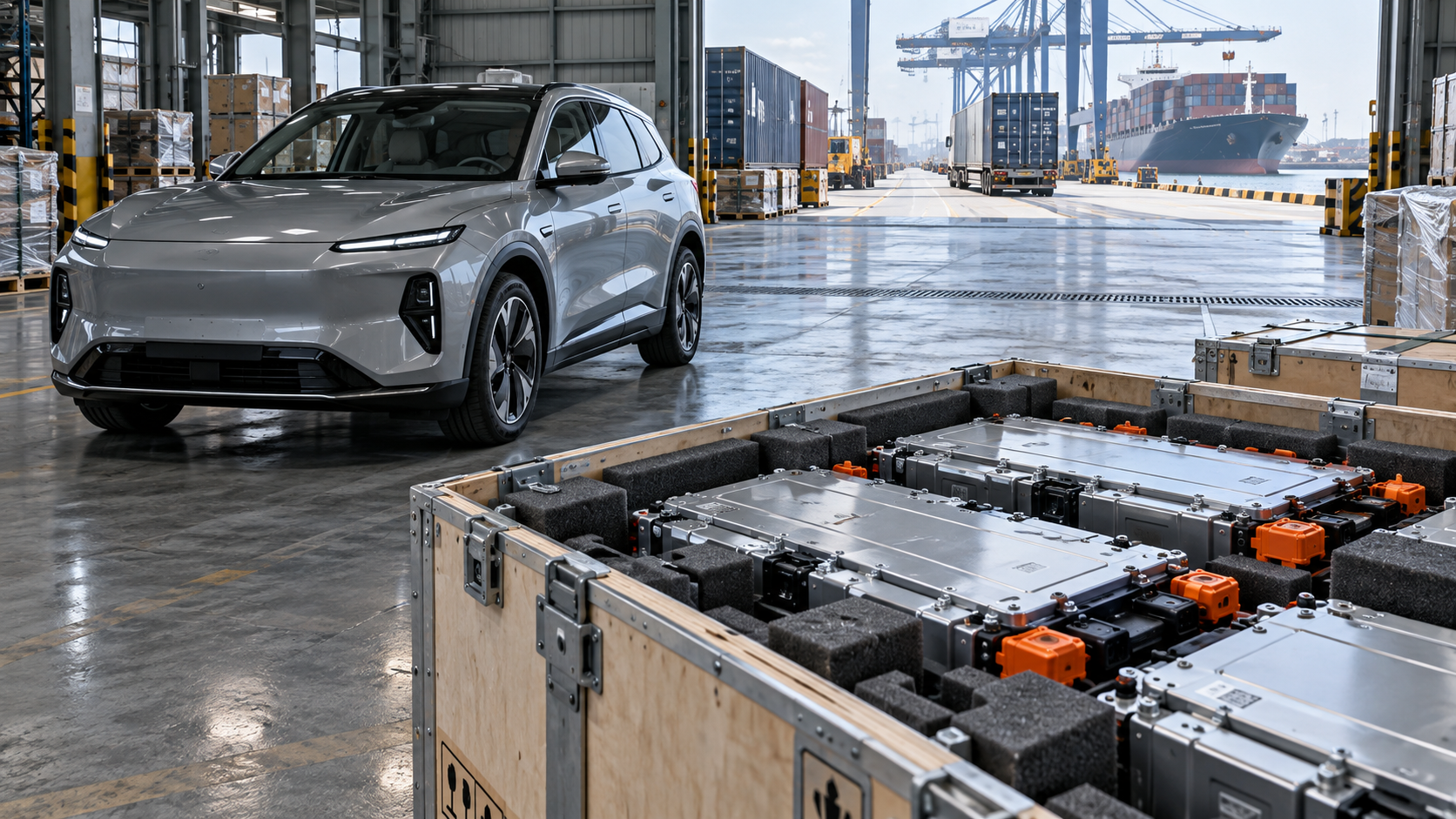
The US government announced significant tariff increases on Chinese electric vehicles, lithium-ion batteries and other critical minerals on May 14, 2024. The stated aim is to protect domestic manufacturing and supply chains from what the government describes as unfair trade practices.
The announcement reaches beyond finished vehicles to products and materials used in battery supply chains. Its potential effects therefore extend to both vehicle imports and the sourcing decisions of manufacturers that use the affected batteries or minerals.
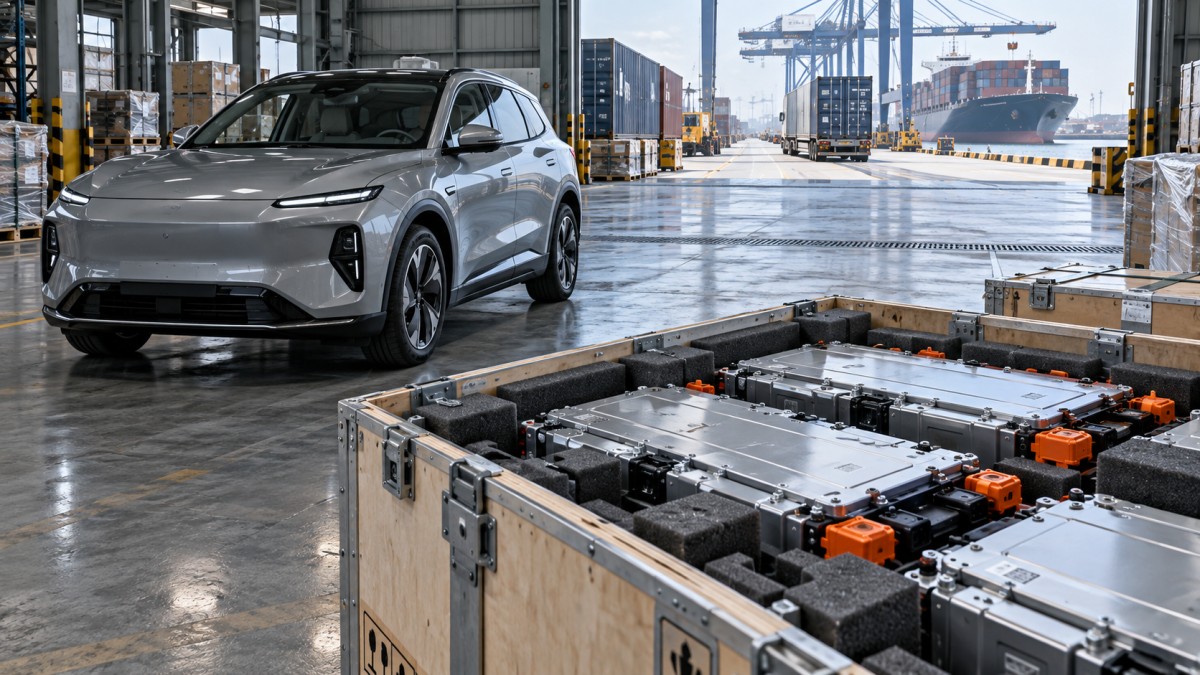
For importers, the most immediate issue is how higher tariffs could change the cost of sourcing covered products from China. If those costs rise, businesses may reassess supplier pricing, purchasing terms or alternative sources. The effect on buyers would depend partly on how suppliers and importers share the additional expense and whether suitable alternatives are available.
The implications for domestic manufacturing are less immediate. Higher tariffs may give domestic producers more room to compete on price, but that protection alone does not establish whether production will expand or supply chains will become more resilient. Those outcomes would also depend on producers’ ability to meet demand at competitive costs.
The key developments to follow are the scope and implementation of the tariff increases, alongside any resulting changes in purchasing and sourcing. These will help show how far the announcement translates into higher import costs, different supplier choices or stronger demand for domestic production.
Deep Dive
Related Intelligence
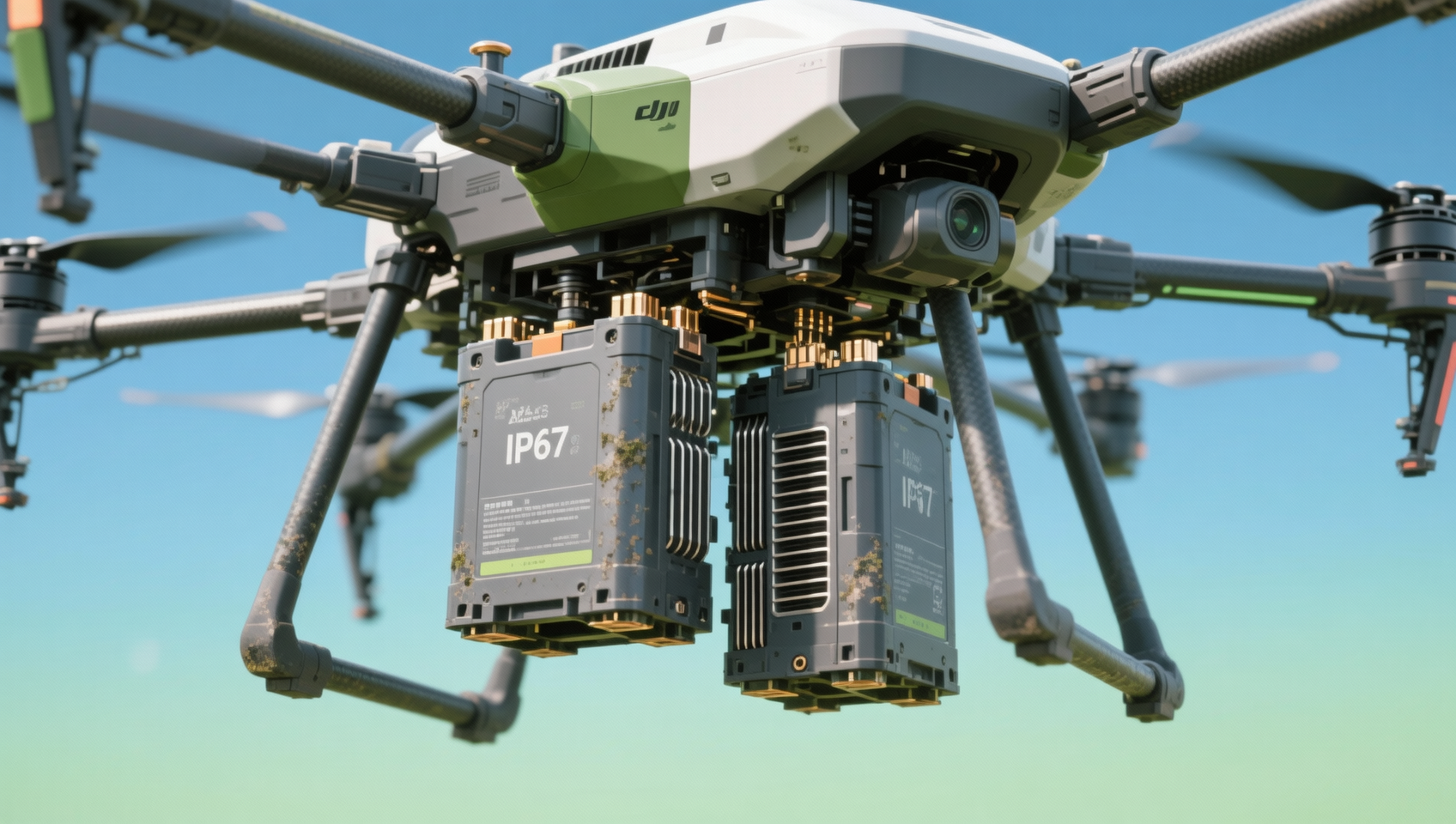
 EV ComponentsHow Technological Breakthroughs in EV Components Are Inspiring Battery-Swapping Designs for Agri-DronesAnalyst:Automotive Tech Analyst
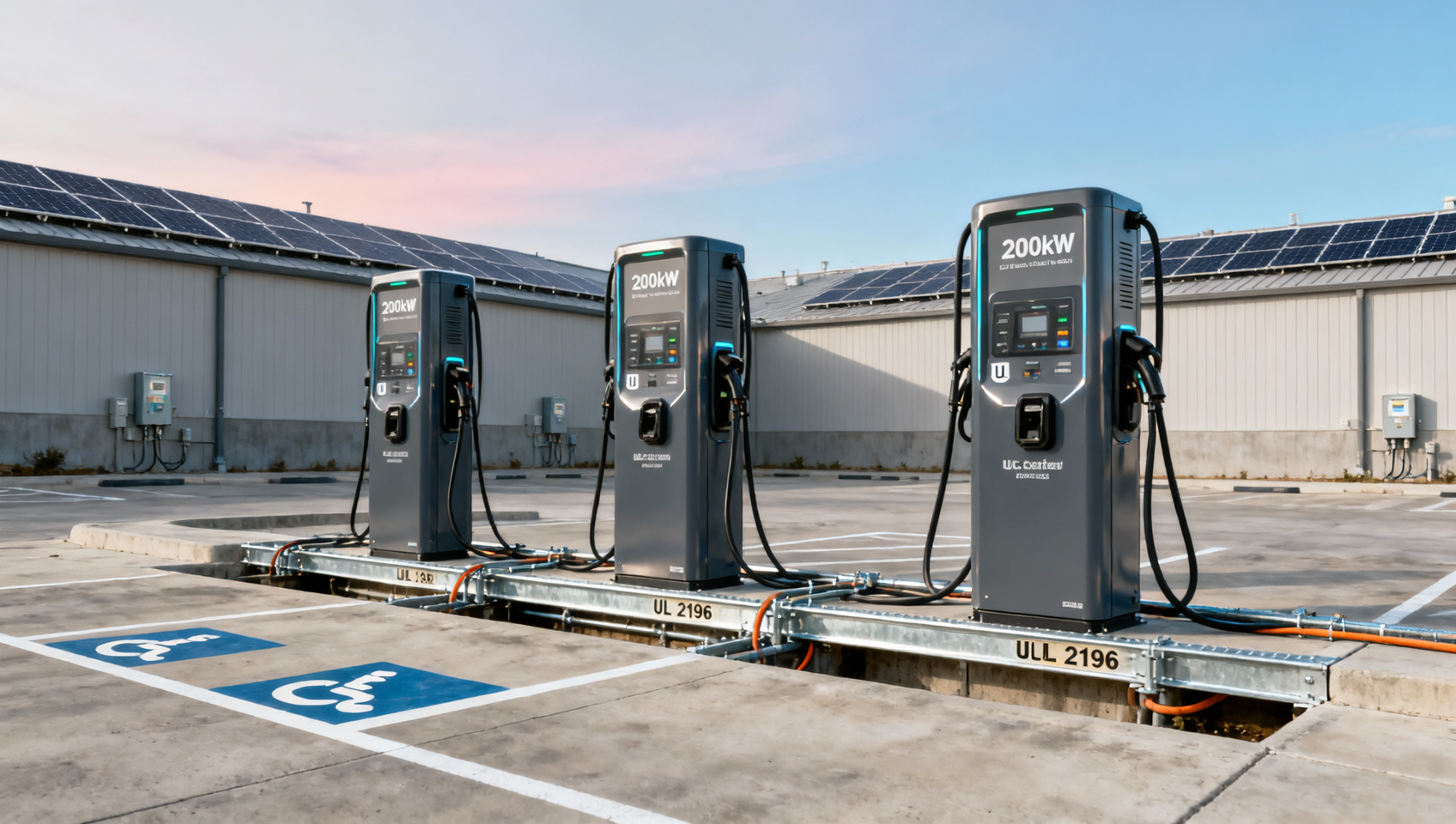
 EV ComponentsHow much do EV charging stations cost to install for commercial fleets in 2026?Analyst:Automotive Tech Analyst
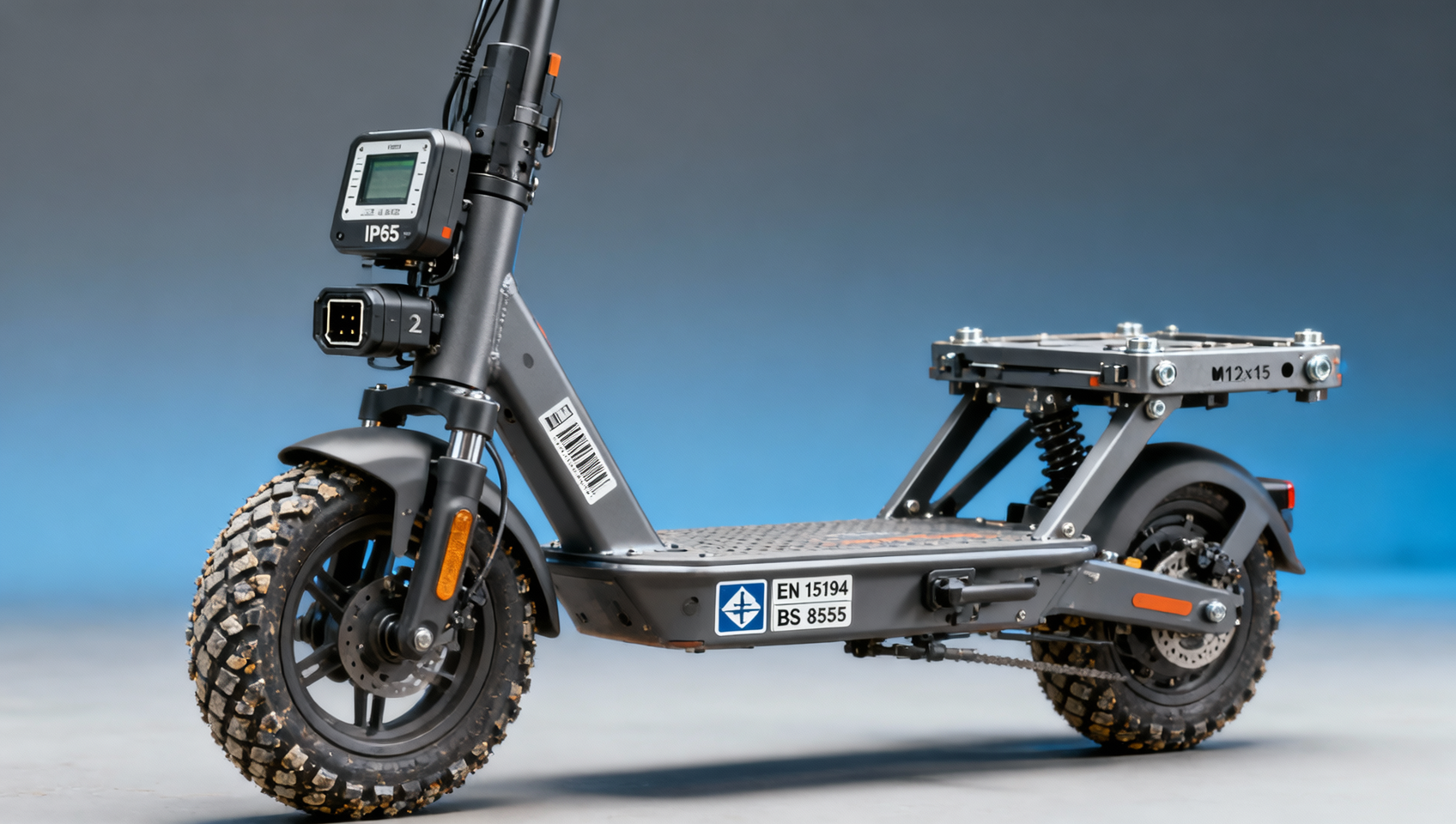
 EV ComponentsDo electric scooters qualify as compliant last-mile delivery tools under 2026 urban logistics regulations?Analyst:Automotive Tech Analyst