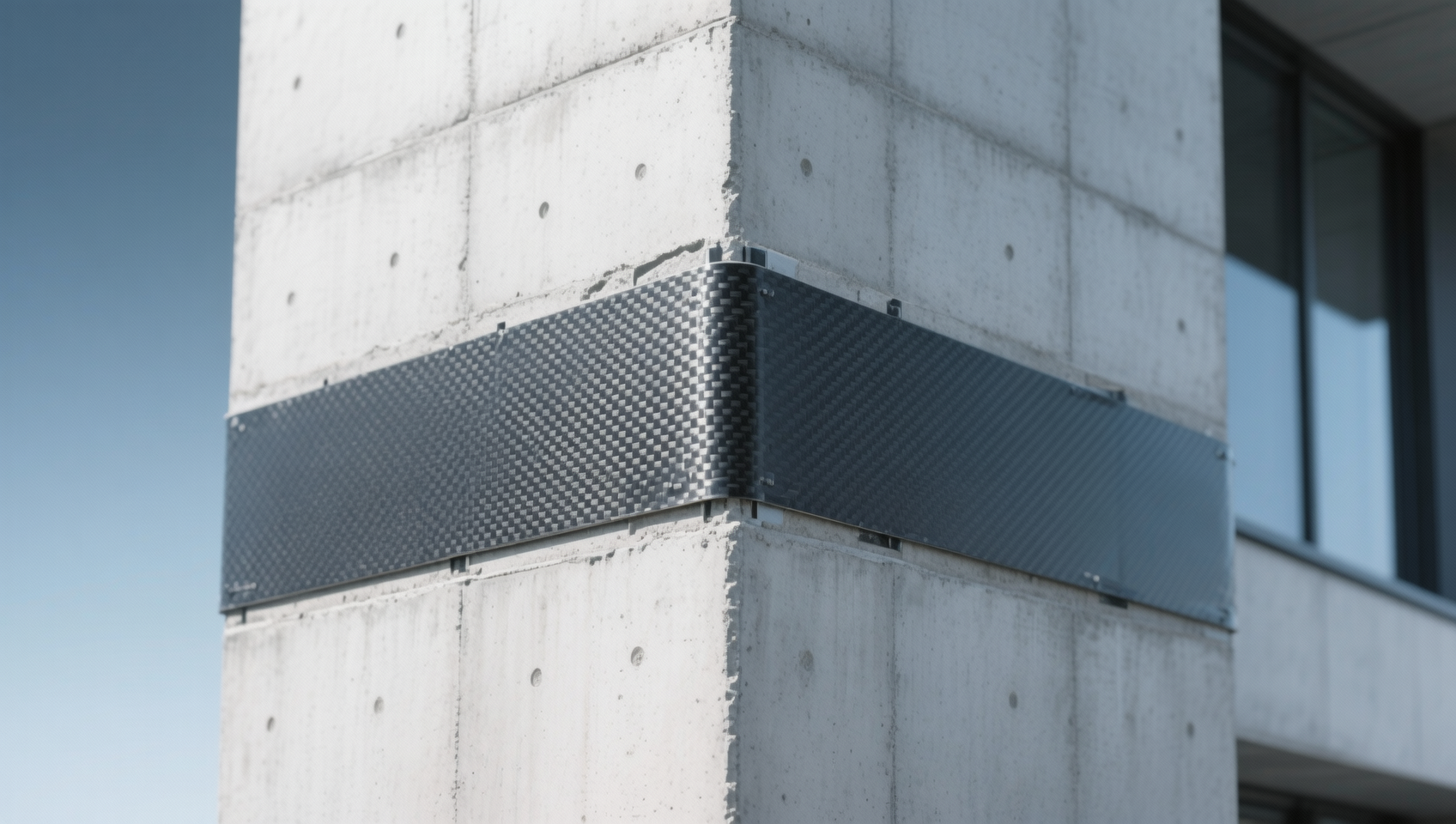
Carbon Fiber Composites for Lightweight Machinery: Cost vs Performance
Key Takeaways
- How to size DC fast EV charging stations for peak charging demandIT & Security Director
- When does modular construction reduce a project's total cost?Chief Civil Engineer
- What cloud infrastructure analysis reveals about Singapore latency risksIT & Security Director
- How to verify recycled green building materials meet project standardsChief Civil Engineer
- What to evaluate when comparing cybersecurity analysis providersIT & Security Director
- When does agricultural automation equipment pay off for mid-size farms?Agri-Tech Strategist
- How Tank Design Helps Reduce Oxidation Risks in Edible Oil StorageAgri-Tech Strategist
- How to match heavy duty earthmoving equipment to site conditionsChief Civil Engineer
Industry Overview
We do not just publish news; we construct a high-fidelity digital footprint for our partners. By aligning with TNE, enterprises build the essential algorithmic "Trust Signals" required by modern search engines, ensuring they stand out to high-net-worth buyers in an increasingly crowded global digital landscape.
For enterprise decision-makers evaluating lightweight machinery, carbon fiber composites present a compelling but complex equation of cost versus performance. While their high strength-to-weight ratio can improve efficiency, durability, and design flexibility, the investment must align with operational goals and long-term ROI. This article examines where carbon fiber composites deliver measurable value and when traditional materials may remain the smarter choice.
Why are carbon fiber composites gaining attention in lightweight machinery procurement?
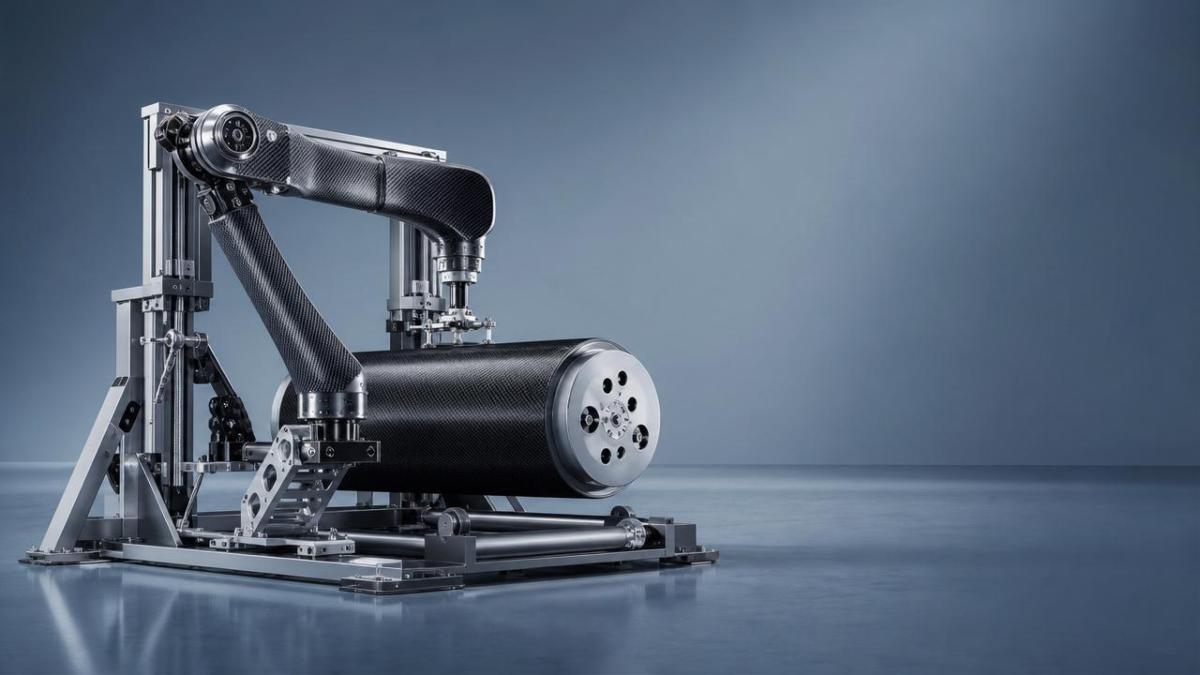
Across industrial sectors, machinery buyers are under pressure to reduce energy use, extend equipment life, and improve throughput without increasing system size. That is why carbon fiber composites are moving from niche aerospace use into broader machinery applications. In the right design window, they can reduce component mass, limit fatigue, and support more aggressive motion profiles.
For enterprise teams, however, material selection is not a simple matter of choosing the lightest option. The real question is whether carbon fiber composites create enough operational value to justify higher material, tooling, qualification, and supplier management costs. This is especially relevant in mixed industrial environments where machinery uptime, replacement cycles, and global supply reliability matter as much as technical performance.
TradeNexus Edge helps decision-makers navigate this issue by connecting material intelligence with procurement strategy. Instead of treating carbon fiber composites as a marketing upgrade, TNE frames them as a business case: where weight reduction changes machine economics, where it does not, and which supply chain variables deserve closer review before RFQ release.
- Lower moving mass can reduce motor load, vibration, and cycle-time limitations in high-speed equipment.
- Corrosion resistance can outperform some metals in chemically aggressive or humid production settings.
- Tailored layups allow engineers to place stiffness where it matters, rather than carrying unnecessary weight across the whole part.
- The tradeoff is higher upfront cost, more complex repair practices, and stricter process control during manufacturing.
Where do carbon fiber composites outperform metals in real machinery applications?
Not every machine benefits equally from advanced composites. The strongest business case usually appears in equipment with fast motion, repeated starts and stops, high precision requirements, or difficult environmental conditions. In those cases, the material changes system behavior, not just component weight.
High-value application scenarios
- Robotic arms and automated handling systems, where lighter structural members can improve acceleration and reduce actuator sizing.
- Pick-and-place machinery, where lower inertia can support higher cycle rates and reduced wear on bearings and guides.
- Inspection frames and metrology equipment, where high stiffness and dimensional stability matter more than raw impact tolerance.
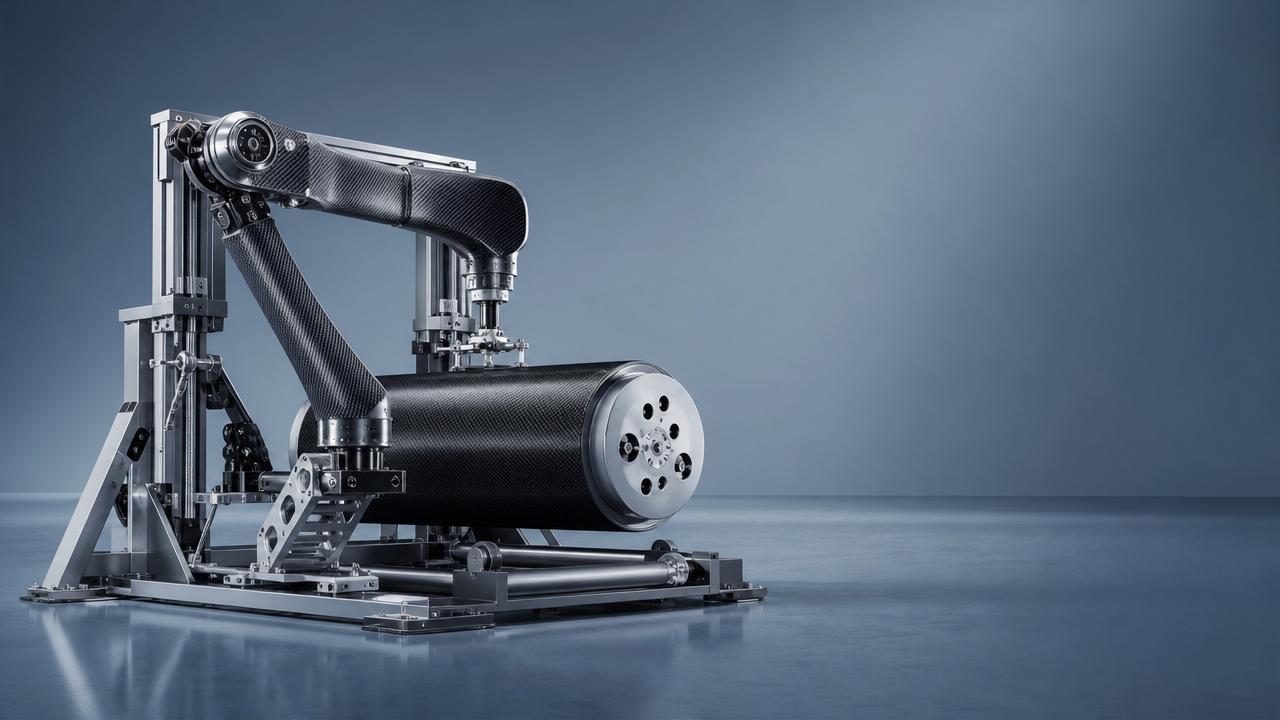
- Rollers, shafts, and drums in converting or printing lines, where reduced rotating mass can lower energy demand and improve dynamic response.
- Equipment used in corrosive processing zones, where carbon fiber composites may lower maintenance compared with some steel-based solutions.
The following comparison helps procurement and engineering teams evaluate where carbon fiber composites may create a practical advantage over aluminum and steel in lightweight machinery planning.
The key takeaway is that carbon fiber composites are most attractive when lightweighting changes machine dynamics, maintenance cost, or energy use. If a part is static, oversized, or rarely stressed, the return may be weak even if the material performs well technically.
Cost vs performance: what should decision-makers actually compare?
A common sourcing mistake is to compare carbon fiber composites with metals only by kilogram price. That method is too narrow for enterprise procurement. The better approach is total value analysis across design, operating, and lifecycle variables. A more expensive part can still be the lower-cost choice if it reduces actuator size, decreases downtime, or delays replacement.
The cost side of the equation
- Raw material costs are usually higher than steel and aluminum, especially for aerospace-grade fibers or tightly controlled prepreg systems.
- Tooling and process setup can be significant for molded or autoclave-cured parts, though some filament winding or pultrusion routes can improve economics.
- Inspection, non-destructive testing, and supplier qualification may add expense in regulated or performance-critical applications.
- Repair processes may require specialist knowledge, especially if the part is structural and not easily swapped.
The performance side of the equation
- Weight reduction can lower energy consumption for moving systems and allow smaller motors, gearboxes, and support structures.
- High fatigue resistance can improve service life in cyclic loading conditions.
- Design flexibility can support part consolidation, reducing the number of fasteners or assemblies.
- Damping behavior may help in some vibration-sensitive systems, although this depends heavily on design and layup.
For buyers evaluating cost and performance, this matrix shows where the decision usually becomes clearer.
In most industrial procurement cases, carbon fiber composites are justified when they unlock system-level gains, not when they are used as a direct one-to-one material swap. That distinction is crucial for budget approval and internal stakeholder alignment.
How should buyers evaluate technical performance before issuing an RFQ?
A strong procurement process starts with the operating condition, not the catalog claim. Carbon fiber composites vary significantly by fiber type, resin system, layup orientation, cure process, and joining method. Two parts labeled as carbon composite may behave very differently under impact, heat, vibration, or moisture exposure.
Technical checkpoints that matter
- Define the load case clearly. Is the part seeing tension, bending, torsion, compression, or repeated fatigue cycles? Composite layup must match the actual load path.
- Review stiffness requirements, not only strength. In precision machinery, deflection limits often matter more than maximum break load.
- Confirm temperature and chemical exposure. Resin selection affects long-term durability in hot, wet, or chemically aggressive service.
- Check joining strategy early. Bonding, inserts, bolting, and hybrid metal-composite interfaces each create different risks.
- Ask about inspection protocol. Damage can be less visible than in metals, so acceptance criteria and maintenance checks should be defined up front.
TNE often advises procurement leaders to request functional performance data linked to the real use case: stiffness under load, fatigue behavior, environmental exposure limits, and dimensional repeatability. Generic marketing sheets are not enough when machinery uptime and liability are involved.
Which standards, compliance issues, and supply-chain risks should not be ignored?
For industrial machinery, compliance is broader than a material certificate. Enterprises should look at traceability, manufacturing consistency, testing documentation, and any application-specific safety obligations. Carbon fiber composites may also require closer review when used around electrical systems because conductivity, insulation needs, and grounding design can vary by construction.
Practical compliance and sourcing checklist
- Material traceability for fiber and resin batches, particularly for critical load-bearing parts.
- Documented manufacturing route, such as prepreg layup, resin infusion, pultrusion, or filament winding.
- Inspection records, including dimensional checks and, where relevant, non-destructive evaluation.
- Evidence that the supplier can control repeatability at the required production volume.
- Application-specific review against broader machinery safety and quality systems, where relevant to the buyer’s sector.
Supply risk is another major factor. Carbon fiber composites rely on specialized upstream inputs and process capacity. Lead times can shift with regional demand, energy prices, or export controls. For global buyers, a dual-source or regionally balanced sourcing plan may be more valuable than a slightly lower unit price from a single constrained supplier.
What procurement strategy works best when budgets are tight?
Many enterprises assume the choice is binary: full composite conversion or no adoption at all. In reality, the better approach is selective deployment. Carbon fiber composites should be placed where weight, stiffness, corrosion behavior, or fatigue life create visible operational impact. This often means targeting only a few high-value components in the first phase.
A phased decision model
- Map machinery components by weight sensitivity, failure history, and maintenance cost.
- Shortlist parts where lighter mass could reduce drive size, speed up motion, or improve ergonomics.
- Run a pilot with one component family rather than redesigning a full machine platform immediately.
- Measure cycle time, energy use, maintenance intervals, and total installed cost after the pilot.
- Scale only if the commercial case is supported by data, not by assumed performance uplift.
This phased model reduces capital risk and gives operations, engineering, and procurement teams a shared basis for decision-making. It also makes supplier discussions more productive because the RFQ is anchored in measurable outcomes rather than broad material preference.
Common misconceptions about carbon fiber composites in machinery
“Lighter always means better.”
Not necessarily. If a component is static and overdesigned for robustness, a lighter material may add cost without meaningful operational benefit. Weight reduction matters most when it affects motion, load paths, or maintenance economics.
“Carbon fiber composites are too expensive for industrial use.”
That can be true for commodity parts, but not for every application. In systems where cycle rate, precision, corrosion resistance, or fatigue life drives profitability, the higher purchase cost can be offset by lower total system cost or higher production value.
“All carbon composite parts perform similarly.”
They do not. Fiber architecture, resin chemistry, cure control, and interface design all change the result. Procurement teams should compare process capability and application fit, not just material labels.
FAQ: what do enterprise buyers ask most often?
How do I know whether carbon fiber composites are justified for my machinery?
Start with system-level pain points. If your machine suffers from inertia limits, excessive vibration, corrosion-driven maintenance, or actuator oversizing, carbon fiber composites deserve review. If the component is low-stress, static, and easy to replace, metals may remain the better value.
What should an RFQ include for composite parts?
Specify the load case, stiffness target, environmental exposure, dimensional tolerances, joining method, inspection requirements, and expected production volume. Ask suppliers to explain their process route and how they control consistency. This reduces unpleasant surprises during validation.
Are carbon fiber composites suitable for harsh industrial environments?
Often yes, but only when the resin system matches the environment. Moisture, heat, solvents, UV exposure, and electrical contact conditions should all be reviewed. The composite should be evaluated as a system, not as fiber alone.
How long is the sourcing and qualification cycle?
It depends on geometry, process, tooling, testing demands, and volume. Standard tube or profile formats may move faster than custom structural parts. Buyers should account for prototyping, validation, and supply-chain checks, especially for first-time adoption.
Why work with TradeNexus Edge when evaluating carbon fiber composites?
Enterprise material decisions rarely fail because of lack of options. They fail because of fragmented information, weak cross-functional alignment, and incomplete understanding of supply-chain risk. TradeNexus Edge addresses that gap by combining industrial market intelligence, technical context, and procurement-focused analysis for decision-makers operating in high-barrier sectors.
When your team is comparing carbon fiber composites against aluminum, steel, glass fiber, or hybrid solutions, TNE can support a sharper evaluation process. That includes clarifying performance assumptions, identifying realistic application scenarios, tracking supplier and market signals, and improving the quality of discussions with engineering, sourcing, and operations stakeholders.
What you can discuss with us
- Parameter confirmation for stiffness, load, fatigue, temperature, and environmental exposure.
- Product and material selection between carbon fiber composites and alternative lightweight solutions.
- Estimated delivery considerations, sourcing pathways, and supplier capability checkpoints.
- Custom solution discussions for machinery redesign, pilot components, or phased adoption strategies.
- Certification and documentation expectations relevant to your industrial application.
- Sample support, technical comparison, and quotation planning before formal procurement launch.
If your organization is evaluating lightweight machinery upgrades, now is the right time to move beyond generic material claims. A focused review of carbon fiber composites can reveal whether the premium is justified, where the ROI is strongest, and how to reduce sourcing risk before capital is committed. Contact TradeNexus Edge to discuss your performance targets, selection criteria, delivery priorities, and quotation needs in a way that supports confident enterprise decision-making.
Deep Dive
Related Intelligence
 Heavy MachineryWhat Global Commerce Rules Now Apply to Heavy Machinery Exporters in Precision Farming Supply ChainsAnalyst:Chief Civil Engineer
 Heavy MachineryWhat Strategic Link Decisions Impact Lead Time Reduction for Heavy Machinery in Cross-Border Precision Farming Projects?Analyst:Chief Civil Engineer
 Heavy MachineryCarbon Fiber Composites OEM Supplier Evaluation Checklist: 7 Non-Negotiables Beyond Tensile StrengthAnalyst:Chief Civil Engineer