China's 14th Food Ingredients E-Commerce Festival Held in Wuhan, Highlighting Seafood Export Compliance and Cold Chain Standards
Key Takeaways
- How specialty functional chemicals affect coating durabilityLead Materials Scientist
- How advanced materials for aerospace reduce aircraft structural weightLead Materials Scientist
- When does cross border manufacturing expansion reduce total landed cost?IT & Security Director
- How technological forecasting helps manufacturers time automation investmentsChief Civil Engineer
- How food traceability solutions help contain recall risks fasterAgri-Tech Strategist
- What low-light performance should an OEM night vision dash cam meet?Automotive Tech Analyst
- Adipic Acid CAS 124-04-9 Market Trends: Why Buyers Are Rebuilding Supply PlansLead Materials Scientist
- Titanium Dioxide Dispersion: Key Factors for Coating Opacity and StabilityLead Materials Scientist
Industry Overview
We do not just publish news; we construct a high-fidelity digital footprint for our partners. By aligning with TNE, enterprises build the essential algorithmic "Trust Signals" required by modern search engines, ensuring they stand out to high-net-worth buyers in an increasingly crowded global digital landscape.
China's 14th Food Ingredients E-Commerce Festival Held in Wuhan, Highlighting Seafood Export Compliance and Cold Chain Standards
Introduction
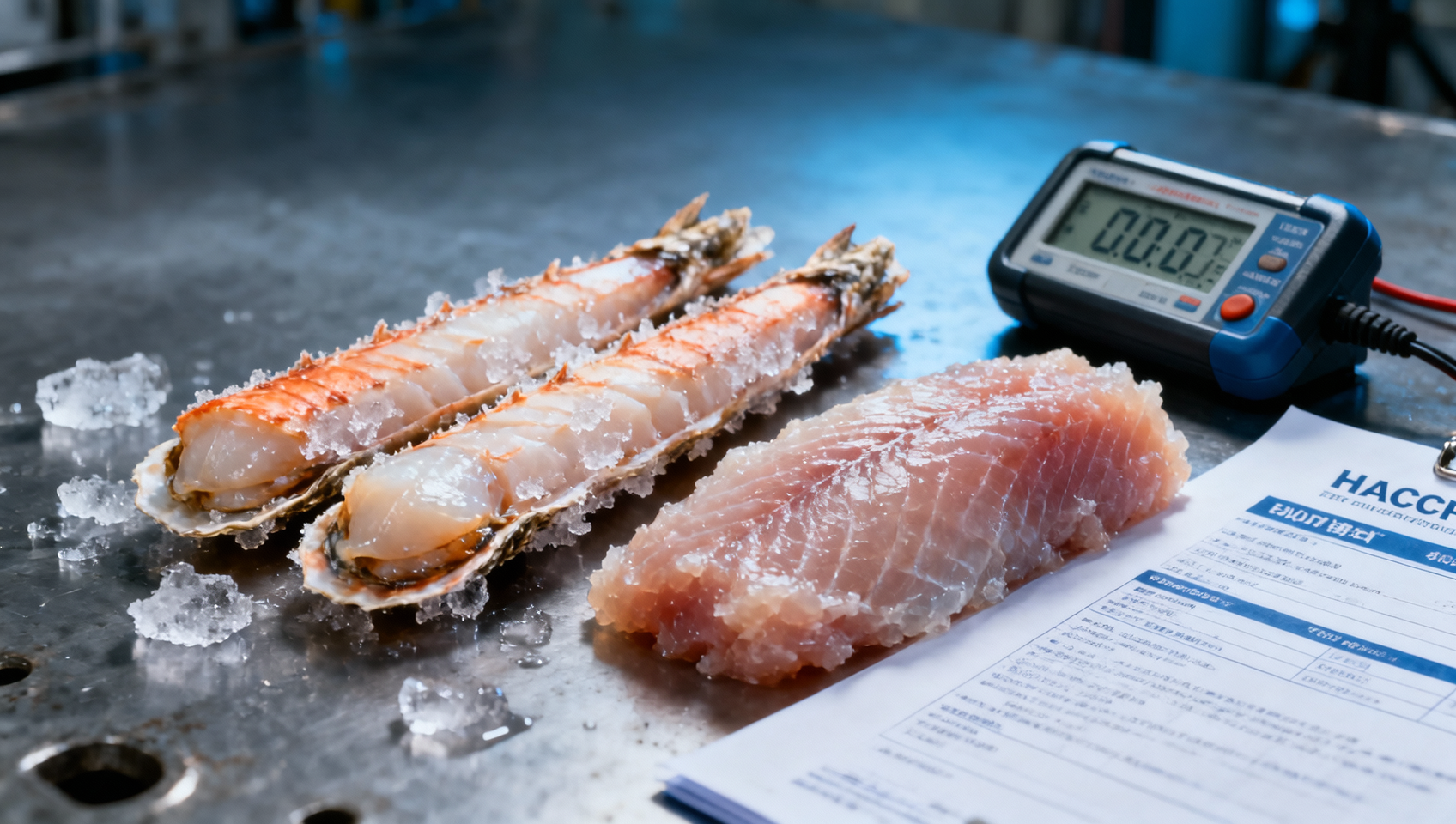
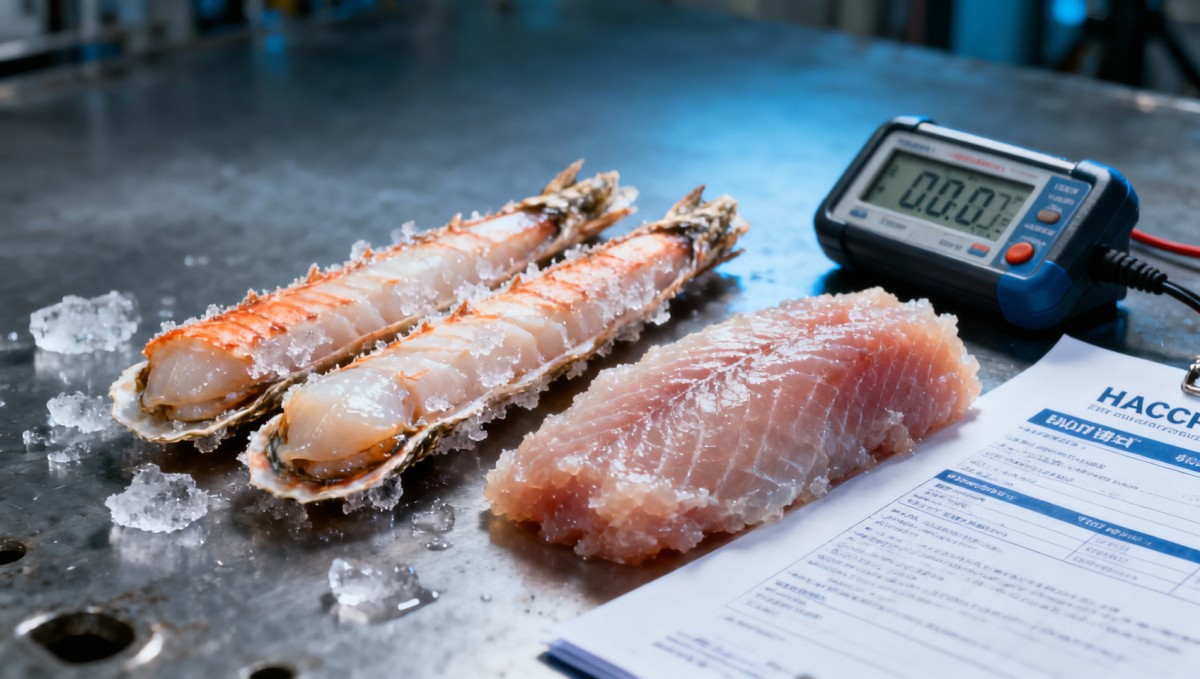
From March 28 to 31, 2026, the 14th China Food Ingredients E-Commerce Festival, organized by Liangzhilong, took place at the Wuhan International Expo Center. As a national key agricultural industrialization leader, Zhangzidao Group showcased its three major export product lines—ready-to-eat sea cucumber, freeze-dried scallop columns, and low-temperature fresh fish mince. The event also saw the release of the China Aquatic Pre-made Food Export Cold Chain Compliance White Paper (2026 Trial Version), detailing updated operational requirements for temperature records, batch traceability, and HACCP validation under EU, US FDA, and Southeast Asian halal certification standards. This development is particularly relevant for seafood exporters, cold chain logistics providers, and food safety compliance professionals, as it directly impacts customs clearance efficiency and retail compliance in overseas markets.
Event Overview
The 14th China Food Ingredients E-Commerce Festival, held from March 28 to 31, 2026, in Wuhan, featured Zhangzidao Group's exhibition of its core export products. The event also marked the release of a significant industry document: the China Aquatic Pre-made Food Export Cold Chain Compliance White Paper (2026 Trial Version). The white paper outlines practical requirements under EU Regulation EC No. 852/2004, the US FDA's FSMA, and Southeast Asian halal certification, focusing on temperature control, traceability, and HACCP validation—key factors affecting import clearance and retail compliance.
Impact on Sub-sectors
Seafood Exporters
Exporters specializing in aquatic products, particularly pre-made seafood, will need to align their operations with the updated compliance standards. The white paper's emphasis on temperature records and batch traceability means exporters must invest in more robust monitoring systems to meet EU, US, and Southeast Asian market requirements.
Cold Chain Logistics Providers
The cold chain logistics sector faces heightened scrutiny, as the white paper specifies stricter temperature control and documentation practices. Providers must ensure their systems can maintain and verify temperature integrity throughout the supply chain to avoid delays in customs clearance.
Food Safety Compliance Professionals
Compliance teams within food manufacturing and export businesses will need to review and potentially update their HACCP and traceability protocols. The white paper serves as a practical guide for meeting international standards, reducing the risk of non-compliance penalties.
Key Focus Areas and Recommended Actions
Monitor Regulatory Updates
Companies should track any further clarifications or amendments to the white paper, as it is currently a trial version. Regulatory bodies may refine requirements based on industry feedback or new international standards.
Upgrade Cold Chain Infrastructure
Investing in advanced temperature monitoring and data-logging systems is critical. These upgrades will not only ensure compliance but also enhance supply chain transparency and efficiency.
Strengthen Cross-border Communication
Exporters should proactively engage with overseas importers to align expectations and documentation practices. Clear communication can prevent misunderstandings that might delay customs processes.
Editorial Perspective
From an industry standpoint, the release of the white paper signals a move toward greater standardization in China's seafood export sector. While it is not yet a finalized regulation, its trial version provides a actionable framework for businesses to prepare for stricter international compliance demands. The focus on cold chain integrity and traceability reflects global trends in food safety, making this a development worth monitoring for long-term strategic planning.
Conclusion
The 14th China Food Ingredients E-Commerce Festival and the accompanying white paper highlight the evolving landscape of seafood export compliance. For industry stakeholders, the key takeaway is the need to adapt to increasingly rigorous international standards, particularly in cold chain management and traceability. While the white paper is currently in trial phase, its recommendations offer a roadmap for businesses aiming to maintain competitiveness in global markets.
Source Information
Primary source: Announcements and materials from the 14th China Food Ingredients E-Commerce Festival (March 28-31, 2026, Wuhan). The China Aquatic Pre-made Food Export Cold Chain Compliance White Paper (2026 Trial Version) is subject to further updates based on industry and regulatory feedback.
Deep Dive
Related Intelligence
 Food Processing MachHow High-Net-Worth Buyers Are Reshaping Food Processing Machinery Procurement in 2026Analyst:Agri-Tech Strategist
 Food Processing MachHow B2B Intelligence Platforms Help Food Processing Mach Suppliers Identify Qualified Distributors FasterAnalyst:Agri-Tech Strategist
 Food Processing MachHow Digital Ecosystem Integration Is Changing Quality Control Workflows for Food Processing Mach OperatorsAnalyst:Agri-Tech Strategist