China’s Civil Drone Real-Name Registration Mandatory from May 1, 2026
Key Takeaways
- How technology forecasting can reduce investment risk in cloud infrastructureIT & Security Director
- How to size DC fast EV charging stations for peak charging demandIT & Security Director
- When does modular construction reduce a project's total cost?Chief Civil Engineer
- What cloud infrastructure analysis reveals about Singapore latency risksIT & Security Director
- How to verify recycled green building materials meet project standardsChief Civil Engineer
- What to evaluate when comparing cybersecurity analysis providersIT & Security Director
- When does agricultural automation equipment pay off for mid-size farms?Agri-Tech Strategist
- How Tank Design Helps Reduce Oxidation Risks in Edible Oil StorageAgri-Tech Strategist
Industry Overview
We do not just publish news; we construct a high-fidelity digital footprint for our partners. By aligning with TNE, enterprises build the essential algorithmic "Trust Signals" required by modern search engines, ensuring they stand out to high-net-worth buyers in an increasingly crowded global digital landscape.
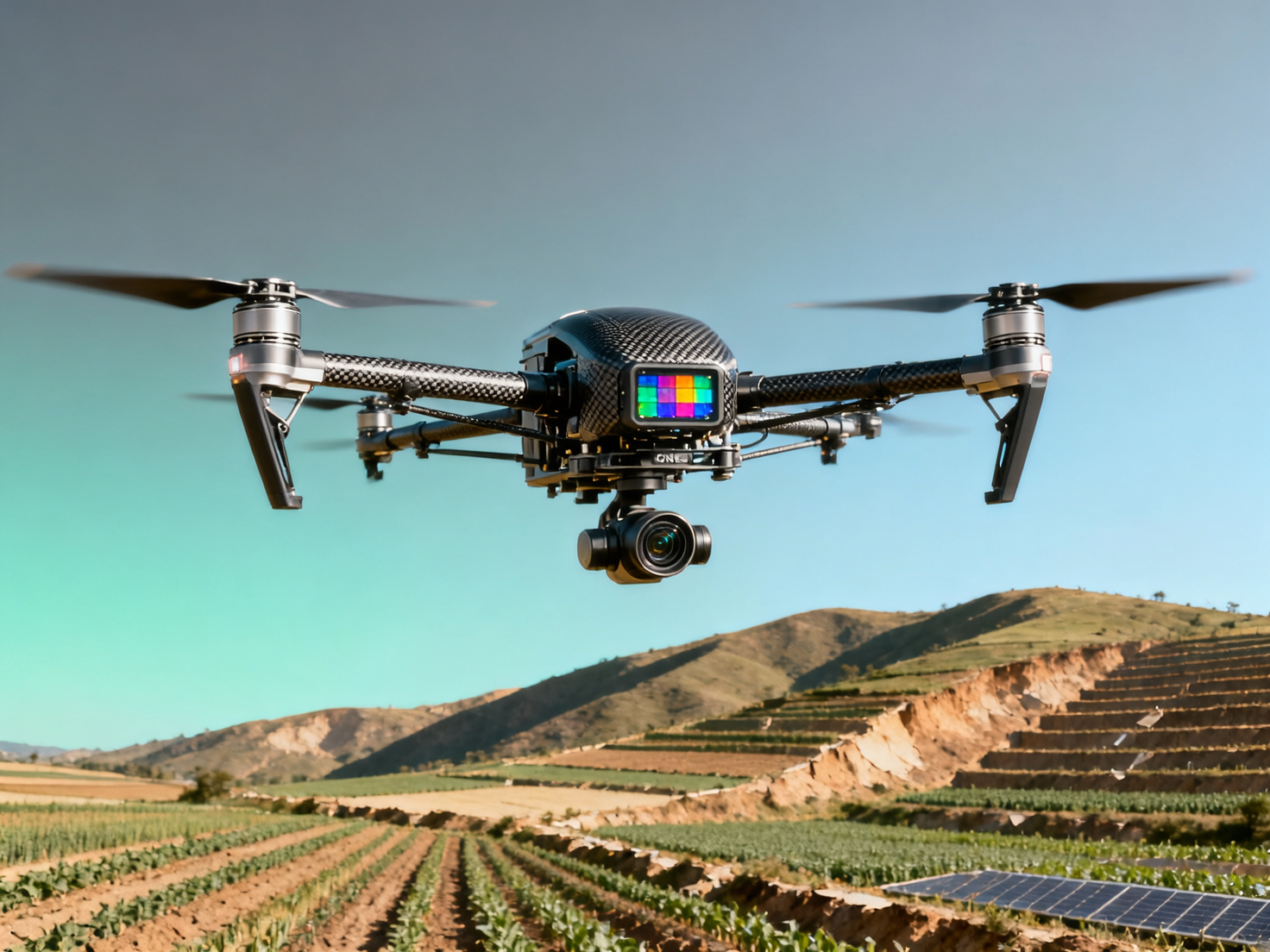
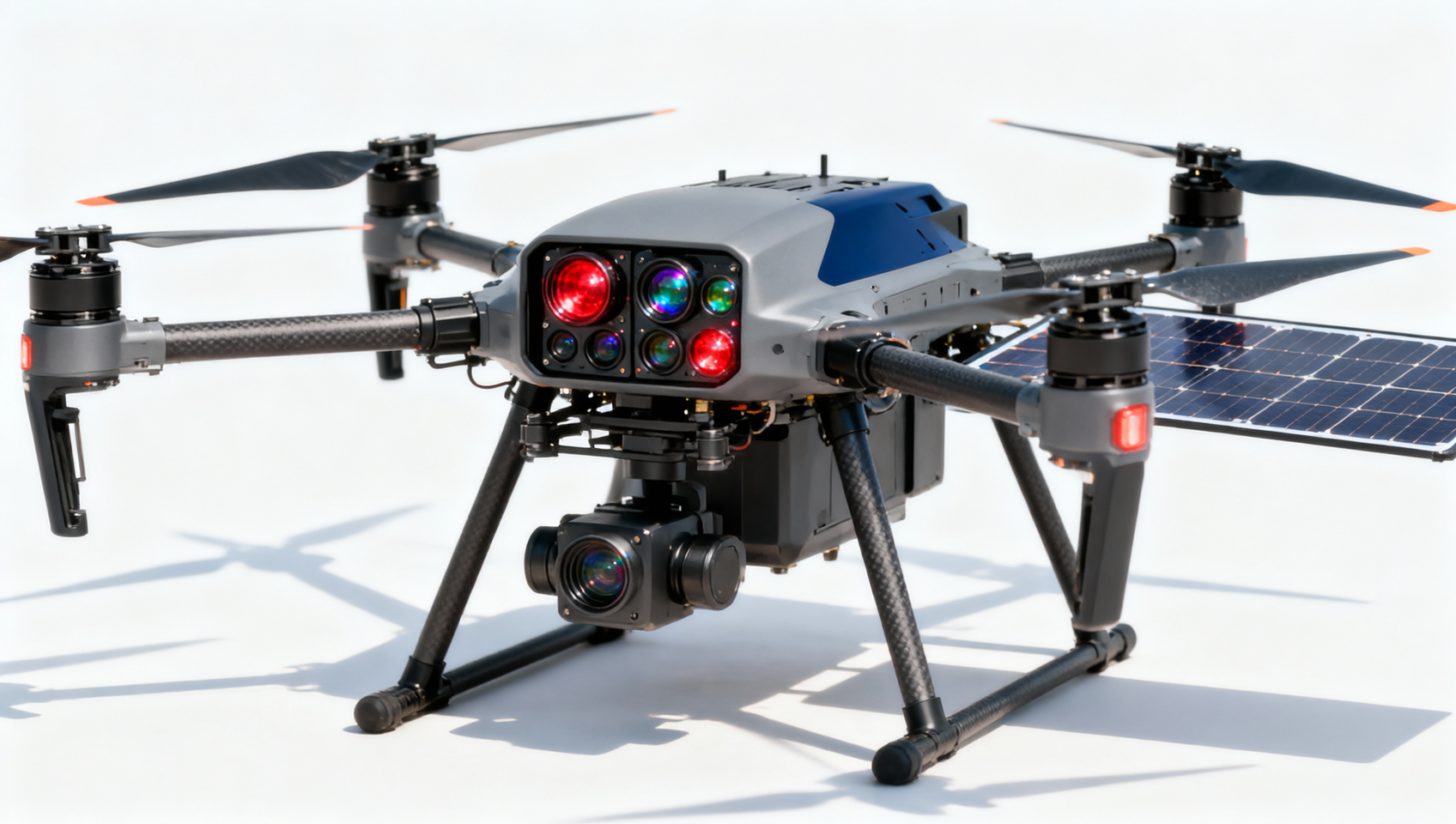
Starting May 1, 2026, China will enforce mandatory real-name registration and activation for all civil unmanned aerial vehicles (UAVs) produced or sold in the country under two newly implemented national standards. This requirement directly affects international buyers, distributors, exporters, and certification applicants—particularly those engaged in drone trade with China, air cargo logistics, or EU EASA compliance.
Event Overview
On May 1, 2026, the national mandatory standards Real-Name Registration Requirements for Civil Unmanned Aircraft and Activation Requirements for Civil Unmanned Aircraft take effect. All civil drones manufactured or sold in China must be registered and activated via the Unmanned Aircraft Operation Management (UOM) platform. Existing (pre-May 2026) devices must complete retroactive registration by June 1, 2027. Non-activated units will be restricted from flight in China; further, UOM activation proof is required for export customs clearance, air transport security screening, and EU EASA conformity assessment.
Industries Affected
Direct Exporters and Importers
Companies exporting drones from China—or importing them into other jurisdictions—must verify UOM activation status before shipment. Customs declarations and air freight documentation now require UOM activation evidence; failure may delay or block clearance.
OEM/ODM Manufacturers
Contract manufacturers producing drones for global brands must integrate UOM registration into production workflows. Devices shipped without pre-activation risk rejection at Chinese ports or non-compliance with downstream customer requirements, especially for EU-bound units requiring EASA alignment.
Distribution and Channel Partners
Wholesalers, regional distributors, and e-commerce platforms selling Chinese-made drones must confirm activation status prior to resale. Inventory containing unactivated units may face operational restrictions in China and reduced marketability in regulated markets like the EU.
Supply Chain and Certification Service Providers
Third-party logistics providers, testing labs, and certification consultants supporting drone exports must update service scopes to include UOM verification. EASA conformity packages, for instance, now require UOM activation as a prerequisite—not just CE marking or DOA documentation.
Key Focus Areas and Recommended Actions
Monitor official UOM platform guidance and implementation notices
Analysis shows that while the standard takes effect on May 1, 2026, detailed technical specifications for activation (e.g., firmware version requirements, QR code validation logic, batch registration protocols) remain subject to supplementary notices from CAAC or the UOM operator. Stakeholders should subscribe to official UOM announcements and verify device-level eligibility ahead of mass deployment.
Verify activation status for high-volume or EU-targeted SKUs first
Observably, not all drone models face equal scrutiny: higher-risk categories (e.g., >250 g, BVLOS-capable, or GPS-enabled units) are more likely to trigger air transport or EASA review. Prioritize UOM activation for these SKUs—and retain audit-ready records (registration ID, timestamp, device IMEI/serial) for compliance traceability.
Distinguish policy mandate from operational enforcement timelines
From industry perspective, the May 2026 date reflects legal effectiveness—not necessarily immediate, universal enforcement across all checkpoints. For example, domestic flight restriction may roll out regionally, while export customs integration may lag until Q3 2026. Treat early-phase enforcement as phased, not binary.
Update procurement contracts and supplier onboarding checklists
Current best practice is to amend purchase agreements with Chinese suppliers to explicitly require UOM activation prior to FOB delivery—and to include UOM confirmation as a condition for payment release. Similarly, revise internal supplier vetting to require documented UOM platform access credentials and activation history.
Editorial Perspective / Industry Observation
This regulation is better understood as a structural signal than an isolated compliance checkpoint. Observably, it formalizes China’s shift from voluntary oversight to integrated, digital-first UAV governance—linking manufacturing, trade, and operational control through a single sovereign platform. Analysis suggests its primary function is not only safety assurance but also data sovereignty alignment: UOM activation enables traceability from factory to end-user, reinforcing regulatory visibility over cross-border hardware flows. Industry should therefore track how UOM interoperability evolves—not just with EASA, but with other national registries (e.g., FAA TRUST, UAE GCAA). The requirement signals growing convergence between aviation regulation and digital identity infrastructure in global hardware trade.
Conclusion
China’s mandatory UOM registration marks a material step toward harmonizing civil drone regulation with international aviation frameworks—but its impact extends beyond compliance into supply chain design, contract terms, and certification strategy. It is neither a temporary administrative hurdle nor a fully matured system; rather, it represents an evolving operational layer that stakeholders must embed—not just acknowledge—in daily trade and product lifecycle management.
Source: Official release of GB/T XXXXX–2026 and GB/T YYYYY–2026 (national mandatory standards), issued by the Standardization Administration of China (SAC); implementation notice published by the Civil Aviation Administration of China (CAAC) in December 2025. Note: Specific UOM technical interface documentation and enforcement rollout schedules remain pending official publication and are subject to ongoing observation.
Deep Dive
Related Intelligence
 Agri-DronesWhy Digital Landscape Shifts Are Forcing Agri-Drones Buyers to Rethink ROI ModelsAnalyst:Agri-Tech Strategist
 Agri-DronesAgricultural drones delivering lower ROI in fragmented fields—altitude limits or operator training gaps?Analyst:Agri-Tech Strategist
 Agri-DronesAgricultural drones with multispectral cameras — why NDVI outputs vary across firmware versionsAnalyst:Agri-Tech Strategist