SCIE 2026 Set for Beijing With Dual Supply Chain Focus
Key Takeaways
- How to use auto parts sourcing intelligence to assess supplier riskAutomotive Tech Analyst
- How to choose fiber optic equipment for long-haul telecom linksIT & Security Director
- Which farm robotics innovations are ready for field-scale weeding?Agri-Tech Strategist
- How much RAM does edge computing hardware for IoT applications need?IT & Security Director
- How to evaluate precision livestock farming companies for grazing herdsAgri-Tech Strategist
- Comparing Battery Cage Quotes for Open-Sided Layer HousesAgri-Tech Strategist
- How to assess an agricultural machinery manufacturer's parts supportAgri-Tech Strategist
- What drives industrial automation cost in a new production line?Chief Civil Engineer
Industry Overview
We do not just publish news; we construct a high-fidelity digital footprint for our partners. By aligning with TNE, enterprises build the essential algorithmic "Trust Signals" required by modern search engines, ensuring they stand out to high-net-worth buyers in an increasingly crowded global digital landscape.
China’s Ministry of Commerce has officially announced that the 4th China International Supply Chain Expo (SCIE 2026) will be held in Beijing in September 2026. The event is set to introduce two new themed exhibition zones—green manufacturing supply chains and global resilience coordination—covering 25 sub-segment chain clusters including battery technology, industrial coatings, smart livestock equipment, and specialty chemicals. For manufacturers, overseas suppliers, sourcing teams, and supply chain service providers, this matters because the expo is being positioned around both market access and supply chain capability alignment, especially in ESG compliance, buyer matching, and localized technical support.
Event Overview
According to the information released, the 4th China International Supply Chain Expo will take place in Beijing in September 2026. The officially disclosed highlights include the first-time establishment of two thematic exhibition areas: “green manufacturing supply chain” and “global resilience coordination.”
The expo will focus on 25 sub-segment chain clusters, with named areas including battery technology, industrial coatings, smart livestock equipment, and specialty chemicals. The event will also launch an international buyer pre-matching system and open a direct registration channel for overseas enterprises.
The currently confirmed information also indicates that, for overseas suppliers, the expo is an important window to enter the supply chain systems of leading Chinese manufacturers and to seek ESG compliance validation as well as localized technical service support.
Which Industry Segments Are Likely to Be Affected
Battery technology suppliers and related manufacturing links
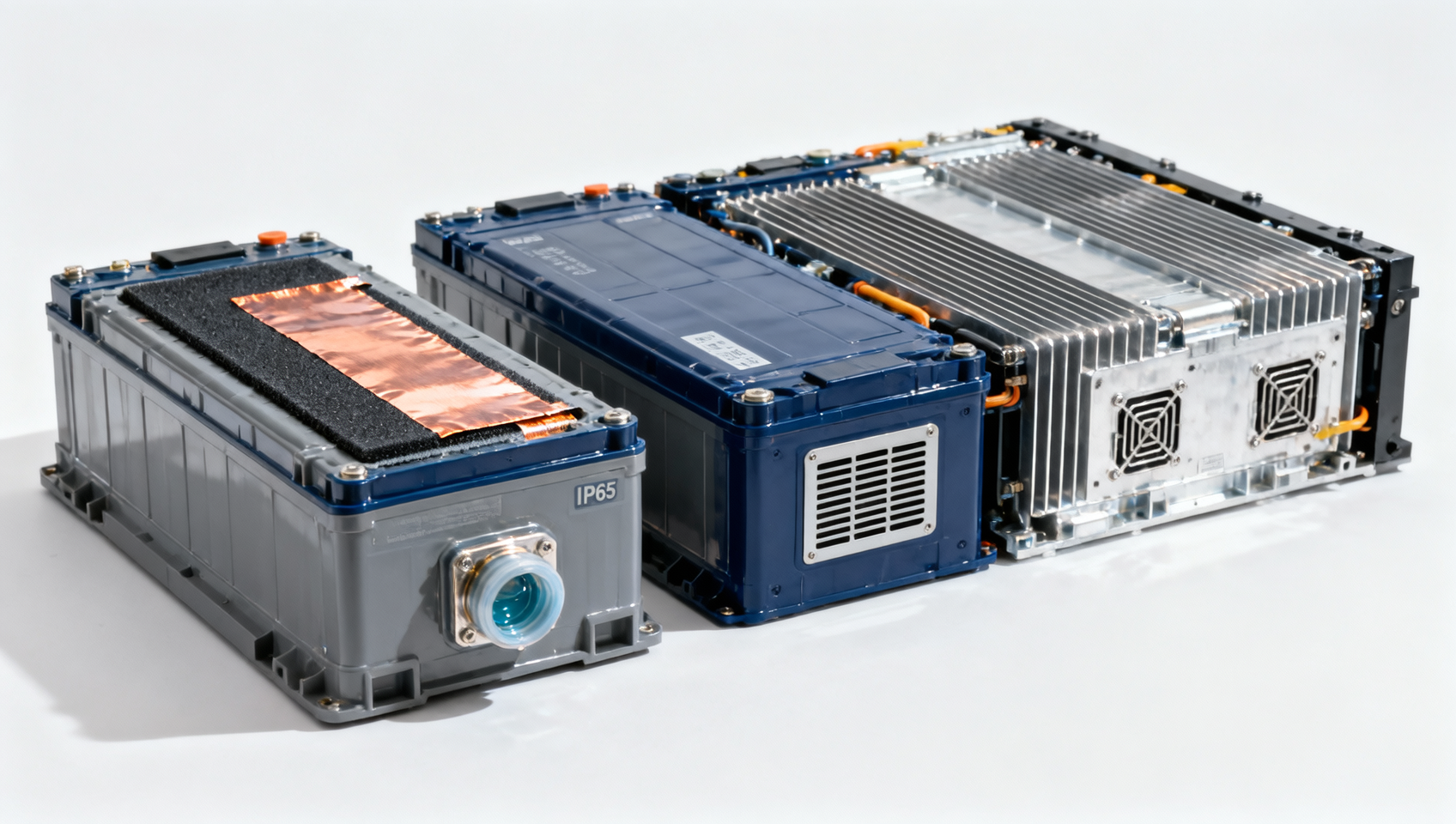
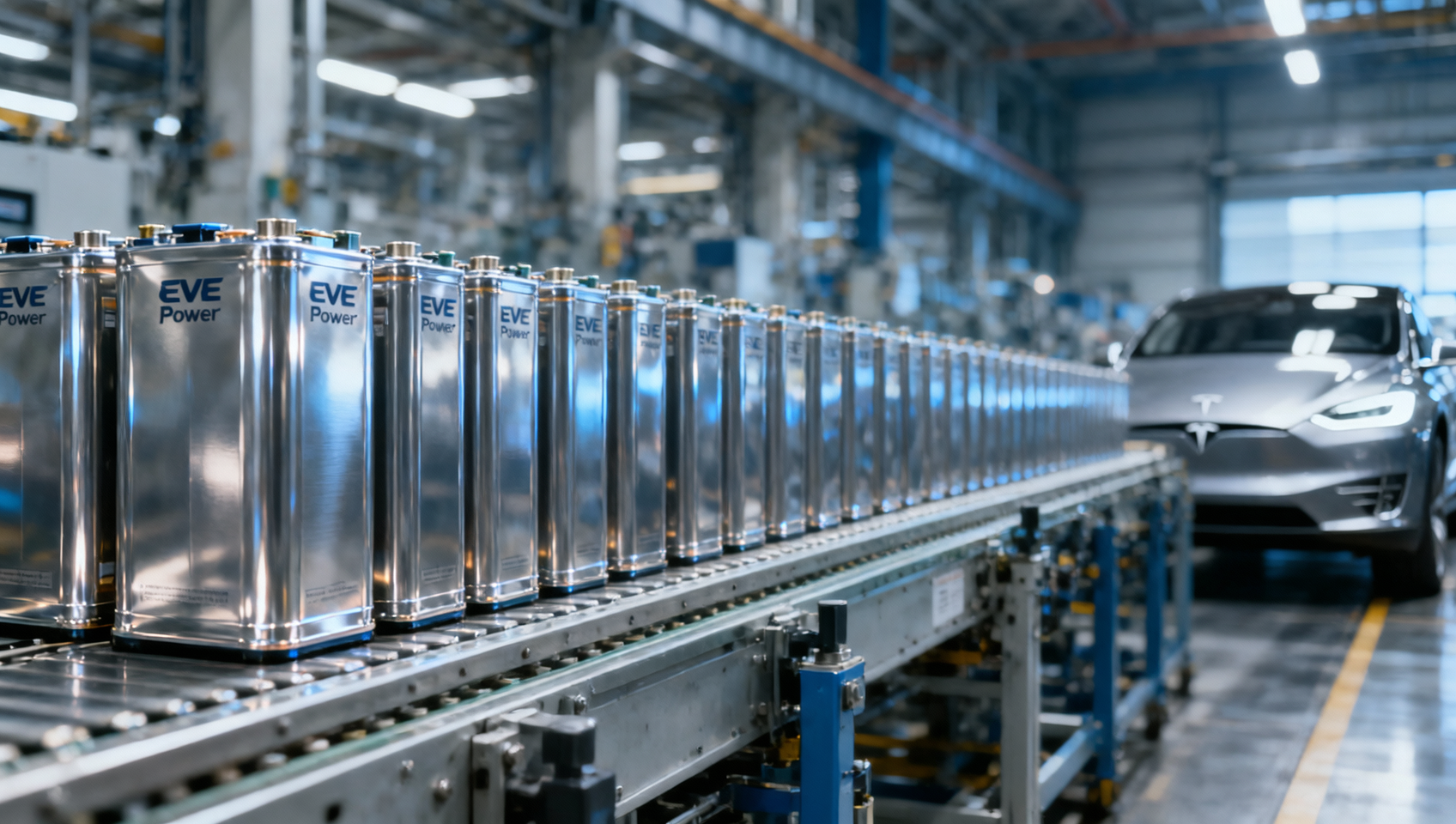
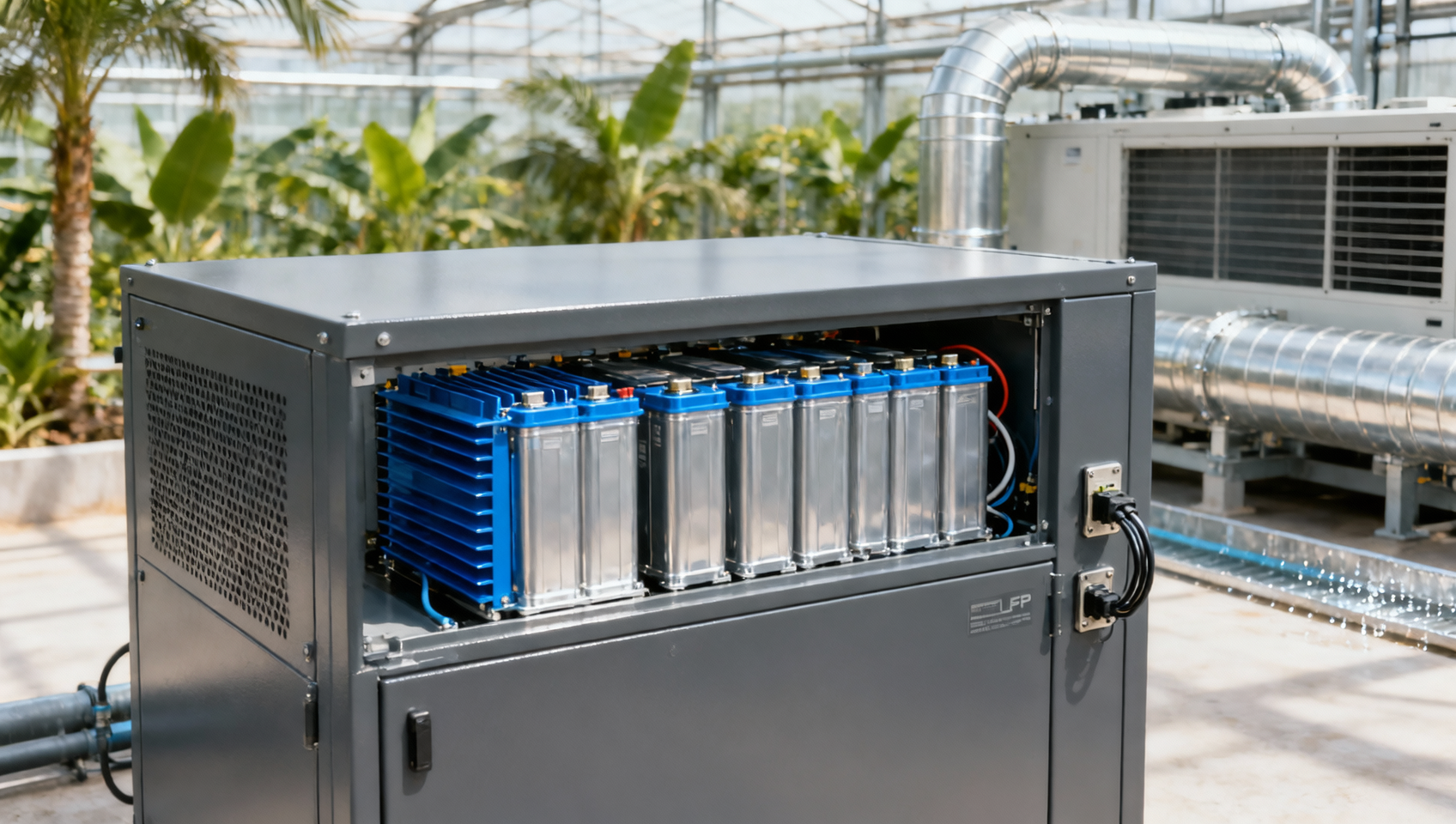
Battery technology is one of the explicitly covered sub-segment chain clusters, so companies across this chain are likely to pay close attention. The impact mainly lies in two areas: first, supply chain visibility may increase through a themed exhibition structure; second, buyer-supplier matching may become more targeted if the pre-matching system is used around concrete sourcing needs. From an industry perspective, this could matter for companies seeking to connect with major Chinese manufacturing buyers under a more structured exhibition setting.
Industrial coatings and specialty chemicals companies
Industrial coatings and specialty chemicals are both named in the disclosed scope, which suggests direct relevance for upstream materials suppliers, formulation providers, and technical service teams. Why this matters is that these categories often require technical communication, compliance review, and application-side coordination. Analysis shows the expo’s emphasis on green manufacturing and ESG-related validation may bring more attention to whether suppliers can present compliant products, application support capabilities, and localized service readiness, rather than only product availability.
Smart livestock equipment manufacturers and solution providers
Smart livestock equipment is also specifically mentioned, making this expo relevant not only to industrial manufacturing in the narrow sense but also to equipment makers serving agricultural production chains. The likely impact is that suppliers in this segment may gain a more visible route into broader manufacturing and equipment procurement networks. Observably, the inclusion of this category indicates that the event’s supply chain framing is not limited to conventional factory components, but extends to specialized equipment ecosystems with technical integration needs.
Overseas suppliers seeking access to leading Chinese manufacturers
This is one of the most directly affected groups. The official summary explicitly states that the expo offers overseas suppliers a key window to enter the supply chain systems of leading Chinese manufacturers. The impact is practical: a direct overseas registration channel may lower procedural friction, while the buyer pre-matching system may improve the efficiency of early-stage business screening. Current attention should be on whether companies can align product documentation, technical materials, and compliance presentation with the event’s disclosed focus areas.
Supply chain service providers and localization support firms
Companies involved in sourcing coordination, compliance support, technical localization, and cross-border supply chain services may also see clear implications. Why they are affected is that the expo’s public focus is not only on products, but also on resilience coordination and localized technical support. From an industry perspective, this creates a stronger need for services that help overseas participants translate exhibition exposure into actual supplier onboarding, compliance review, and follow-up communication with Chinese manufacturing buyers.
What Companies and Industry Practitioners Should Watch and How to Respond
Track subsequent official disclosures rather than relying on early assumptions
Companies should closely monitor later official notices related to exhibitor scope, buyer participation rules, matching mechanisms, and any operational details tied to the two new themed zones. Analysis shows the current announcement is strategically important, but actual business value will depend on how the official framework is implemented in later stages.
Map internal business lines against the named sub-segment chain clusters
Businesses in battery technology, industrial coatings, smart livestock equipment, specialty chemicals, and related supporting fields should review which product lines or service capabilities fit the announced categories. Current attention should focus on whether the company’s offering is relevant to green manufacturing, resilience coordination, ESG compliance presentation, or localized technical support, because these appear central to the event’s positioning.
Prepare for buyer communication in a more structured matching environment
The international buyer pre-matching system suggests that supplier communication may become more screening-based and requirement-led. Companies should be ready with concise capability materials, application scenarios, technical support explanations, and compliance-related documents that fit formal matching processes. Observably, this is more practical than treating the expo as a standard traffic-driven exhibition opportunity.
Separate policy signaling from confirmed business conversion
From an industry perspective, the announcement should not be treated as immediate proof of procurement results or contract conversion. It is more appropriate to understand it as an officially signaled platform opportunity with potential implications for market entry, supplier evaluation, and compliance visibility. Companies should prepare engagement plans, but remain disciplined about distinguishing public policy direction from actual order execution.
Editorial View / Industry Observation
Analysis shows this announcement carries more significance as a directional signal than as a completed market outcome. The addition of “green manufacturing supply chain” and “global resilience coordination” indicates that supply chain exhibitions are being framed less around broad display and more around structured capability alignment.
Current attention should be on what this means for supplier selection logic. Observably, the public information highlights not just product categories, but also ESG compliance validation, localization support, and buyer pre-matching. That suggests the competitive focus may increasingly include whether a company can fit into a buyer’s operational and compliance system, not merely whether it can offer supply.
It is more appropriate to understand this development as an early but meaningful signal for sectors tied to advanced manufacturing inputs, industrial materials, technical equipment, and cross-border supply chain access. The industry should continue watching how the official framework evolves before drawing conclusions about actual procurement outcomes.
Conclusion
The announcement of SCIE 2026 in Beijing is significant because it links exhibition planning with green manufacturing, supply chain resilience, cross-border supplier access, and compliance-oriented business matching. For battery technology, industrial coatings, smart livestock equipment, specialty chemicals, and related supply chain service sectors, the news is relevant not simply as an event notice, but as a sign of where future supply chain engagement may be directed.
From an industry perspective, the most reasonable reading at this stage is that this is a strong platform signal rather than a finalized business result. Companies that may be affected should focus on official follow-up details, prepare category-specific materials, and assess how their capabilities fit the event’s disclosed priorities.
Source Information
Main source: Official announcement information referenced in the provided brief, including the Ministry of Commerce disclosure on the 4th China International Supply Chain Expo (SCIE 2026).
Items requiring continued observation: Detailed exhibitor arrangements, implementation rules for the international buyer pre-matching system, operating details of the overseas direct registration channel, and any further official clarification on the 25 sub-segment chain clusters and themed exhibition zones.
Deep Dive
Related Intelligence
 Battery TechLithium battery packs for off-grid telecom — why cycle life drops 40% below 15°CAnalyst:Automotive Tech Analyst
 Battery TechEVE Power Officially Becomes Tesla's Fifth Global Battery SupplierAnalyst:Automotive Tech Analyst
 Battery TechLithium battery packs in off-grid HVAC: Are thermal runaway risks being underestimated?Analyst:Automotive Tech Analyst