Packaging Machinery Problems That Slow Production More Than You Think
Key Takeaways
- Plastic Masterbatch Quality Issues That Affect Product ConsistencyLead Materials Scientist
- Silicone Rubber Selection Tips for Sealing in Electric MachineryChief Civil Engineer
- Titanium Dioxide in Coatings: How to Balance Brightness and CostLead Materials Scientist
- Agrochemicals and Precision Farming: Where Better Timing Improves ResultsAgri-Tech Strategist
- Chemical Market Signals to Watch Before Expanding Product LinesLead Materials Scientist
- Chemical Trends That Could Reshape Specialty Chemicals DemandLead Materials Scientist
- Nano Materials in Industrial Coatings: Benefits, Limits, and Trade-OffsLead Materials Scientist
- Chemical Analysis Basics That Help Verify Supplier ClaimsLead Materials Scientist
Industry Overview
We do not just publish news; we construct a high-fidelity digital footprint for our partners. By aligning with TNE, enterprises build the essential algorithmic "Trust Signals" required by modern search engines, ensuring they stand out to high-net-worth buyers in an increasingly crowded global digital landscape.
Even well-designed packaging machinery can become a hidden source of downtime when small faults go unnoticed. For after-sales maintenance teams, issues like misalignment, sensor failure, sealing inconsistency, and poor preventive servicing often reduce output more than expected. Understanding these common production slowdowns is the first step toward faster troubleshooting, longer equipment life, and more stable line performance.
Why slowdowns look different across packaging environments
Not every packaging machinery problem creates the same business impact. In a high-speed food line, a sensor drift of only a few millimeters may trigger frequent rejects and force repeated cleaning stops. In a chemical filling station, the same issue may create overfill risk, safety concerns, and compliance headaches. For after-sales maintenance personnel, the real challenge is not only fixing the machine, but recognizing which fault matters most in each operating scenario.
This is why troubleshooting packaging machinery should always start with context. Product type, line speed, packaging format, cleaning frequency, environmental dust, operator skill, and changeover intensity all influence how a fault develops. A small conveyor hesitation on one line may be tolerable; on another, it can cascade into film waste, sealing defects, coder errors, and palletizing interruptions. Maintenance teams that diagnose by scene rather than by symptom alone usually restore production faster.
For global B2B manufacturers and service teams, this scene-based view is especially valuable. It helps prioritize spare parts, service schedules, remote support, and root-cause analysis where the production loss is highest. In other words, the same packaging machinery issue can be minor, costly, or critical depending on where it appears.
Common production scenes where packaging machinery problems hide in plain sight
After-sales maintenance staff usually face recurring fault patterns, but those patterns show up differently across applications. The following scenes are where packaging machinery most often slows production more than managers initially expect.
High-speed food and beverage lines
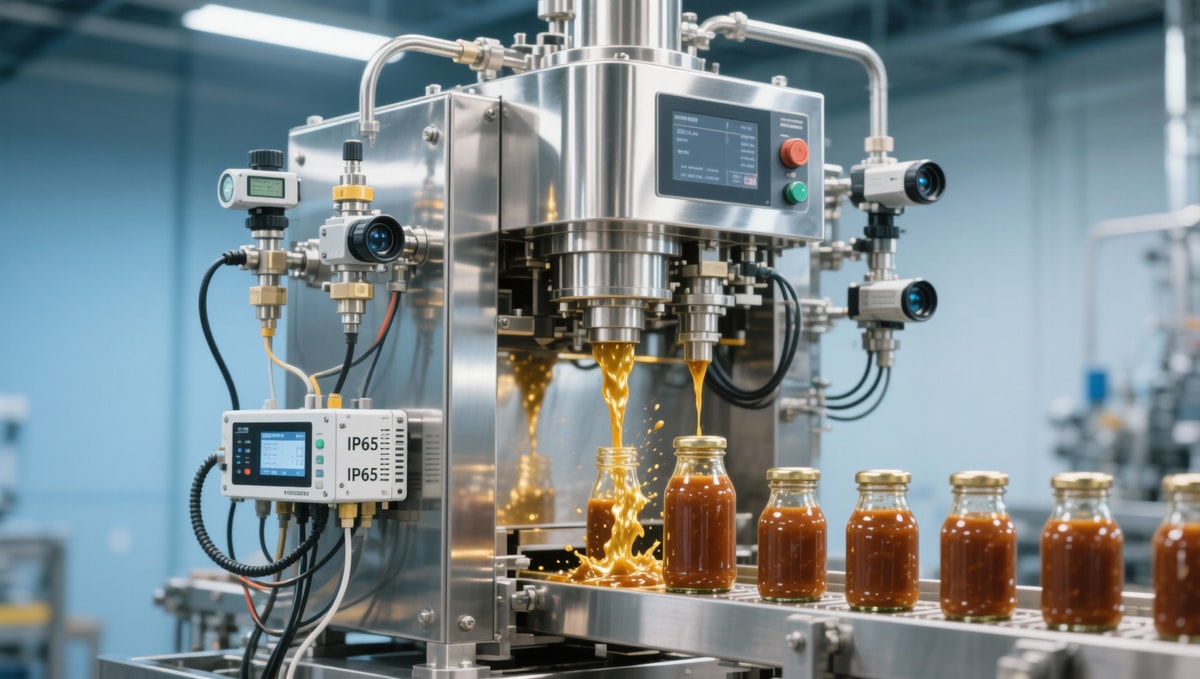
In food and beverage packaging, output targets are tight and stoppages are expensive because upstream and downstream equipment are closely linked. A worn timing belt, unstable photoelectric sensor, or sealing jaw temperature fluctuation may not stop the line immediately, but it often creates micro-stoppages. These short interruptions reduce overall equipment effectiveness more than one dramatic breakdown. Maintenance teams should watch for repeated manual resets, inconsistent pouch tracking, and intermittent missed products at infeed points.
Powder, granule, and chemical packaging scenes
Dust and residue make packaging machinery more vulnerable in these environments. Sensors can become contaminated, moving parts can experience accelerated wear, and filling accuracy can drift slowly over time. The result is often not one obvious failure but a steady decline in speed, accuracy, and housekeeping quality. In this scene, maintenance priorities should include contamination control, sealing surface inspection, pneumatic stability, and proper calibration intervals.
Frequent changeover and mixed-SKU operations
Many contract packers and flexible manufacturing plants run multiple formats in short batches. Here, packaging machinery problems often come from setup inconsistency rather than part failure alone. Guides are adjusted differently by each shift, recipes are not standardized, and sensors are left near tolerance limits. A machine may perform well for one product size and poorly for another. In these cases, the maintenance team must work closely with production to separate mechanical defects from changeover discipline issues.
Secondary packaging and end-of-line systems
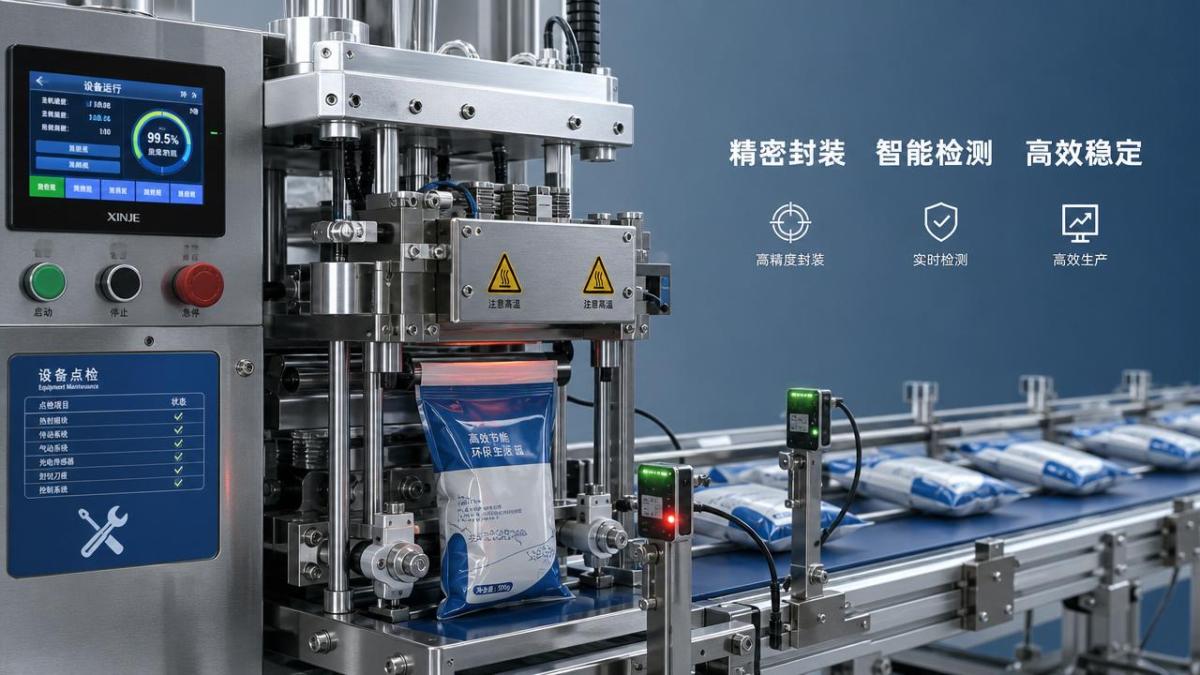
Cartoners, case packers, labelers, and palletizing interfaces often receive less attention than primary pack equipment, yet they can become the real bottleneck. A carton magazine feeding poorly or a label applicator losing registration may force upstream machines to idle. The maintenance risk here is underestimating small speed mismatches between machines. Teams should monitor accumulation zones, transfer timing, and communication faults between devices instead of focusing on one machine in isolation.
A practical comparison: how the same packaging machinery fault behaves in different scenes
The table below helps after-sales maintenance personnel decide what to inspect first based on the production scene rather than the alarm message alone.
The hidden faults that usually cost more than major breakdowns
When packaging machinery stops completely, the cause is often clear and gets immediate attention. The bigger long-term losses usually come from faults that do not trigger a hard shutdown. These are the issues after-sales teams should learn to catch early.
Minor misalignment that grows into chronic instability
Guide rails, conveyor side plates, forming collars, and transfer points gradually move out of position through vibration and repeated changeovers. At first, operators compensate manually. Later, products skew, jams increase, and sealing quality drops. In high-throughput scenes, this can quietly remove a significant portion of line capacity. A simple alignment verification routine often delivers a better return than waiting for parts to fail.
Sensor reliability issues mistaken for control problems
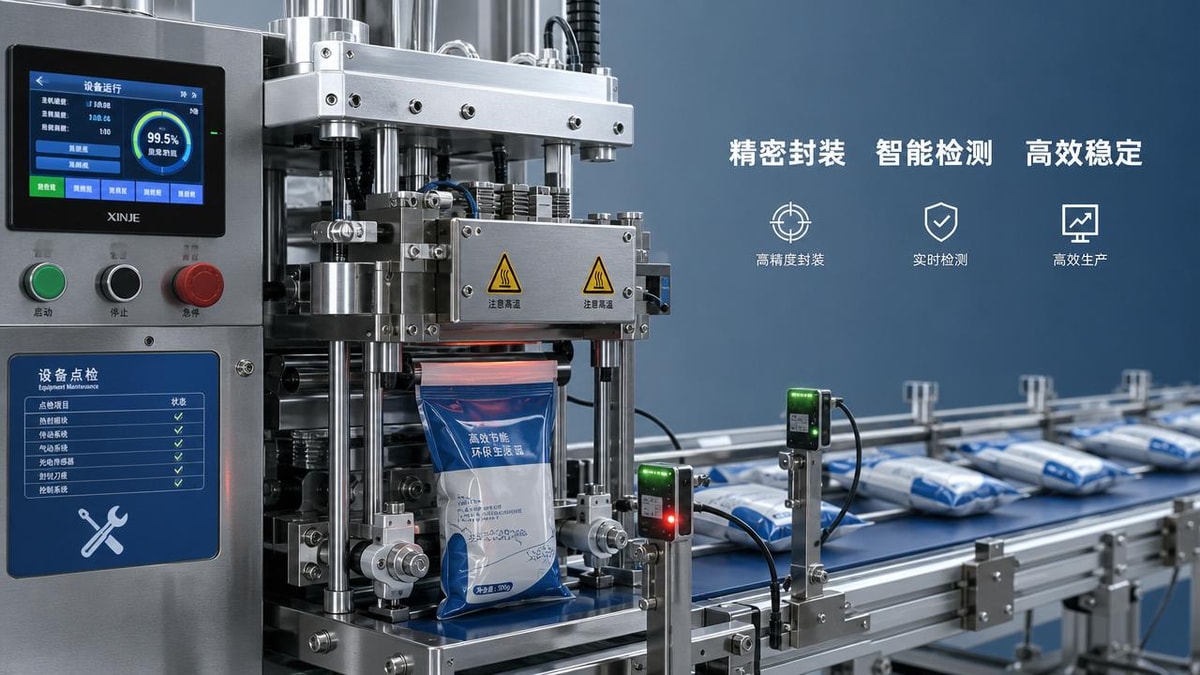
Packaging machinery depends heavily on sensors for timing, presence detection, registration, and safety. Dirty lenses, loose mounting brackets, electrical noise, and aging cables can produce intermittent faults that look like random machine behavior. Maintenance teams should resist replacing major control components too quickly. In many scenes, the real cause is simpler: unstable detection under actual production conditions.
Sealing inconsistency that appears only at production speed
A common trap is testing sealing at low speed and assuming the machine is healthy. In reality, packaging machinery may show acceptable seals during setup but fail under normal throughput because dwell time, tension, temperature response, or material tracking changes at speed. This is especially relevant in flexible packaging, medical-adjacent consumables, and moisture-sensitive products. Troubleshooting must reflect real operating speed, not workshop conditions alone.
Preventive maintenance completed on paper, not in practice
Many plants have maintenance checklists, yet packaging machinery still slows down because inspections are rushed, lubrication points are missed, wear trends are not recorded, or recurring faults are reset without root-cause review. For after-sales service providers, this is a major opportunity: move from reactive repair to evidence-based maintenance support. A line that “runs” is not the same as a line that runs efficiently.
How after-sales maintenance teams should adapt by scene
The most effective packaging machinery support model depends on what kind of production environment the customer operates. The same service package will not fit every site.
For continuous, high-volume plants
Focus on uptime preservation. That means trend-based inspections, condition monitoring, critical spare stock, and fast-response fault trees for common alarms. In this scene, a one-minute stop repeated dozens of times per shift may be more expensive than a rare long repair. Service reports should quantify micro-stop frequency and reject rates, not just major downtime.
For multi-format and seasonal production
Focus on repeatable setup. Maintenance should support documented changeover settings, visual references, quick calibration checks, and operator coaching. Here, many packaging machinery issues are triggered during starts and restarts, so the best intervention may be a setup audit instead of a component replacement.
For harsh or contamination-prone environments
Focus on protection and cleaning compatibility. Choose sealing components, sensor covers, cable routing, air preparation, and materials that match washdown, dust, or corrosion exposure. Maintenance plans should reflect actual environmental stress, not generic service intervals from a catalog.
Common misjudgments that delay the right fix
Several avoidable errors make packaging machinery problems worse than they need to be. One is treating every slowdown as an operator issue when the machine has mechanical drift. Another is replacing parts one by one without documenting when the fault appears: cold start, after cleaning, at top speed, or only during one SKU. A third is evaluating each machine separately when the bottleneck is actually the transfer logic between systems.
After-sales maintenance personnel should also be careful not to over-focus on alarms. Some of the most expensive packaging machinery losses happen with no major alarm at all. The better signals are rising reject trends, increased manual intervention, unstable cycle times, or line speed being intentionally reduced to “keep things running.” These are often early warnings of deeper reliability problems.
A field checklist for faster scene-based troubleshooting
When a customer reports that packaging machinery is slowing production, after-sales teams can shorten diagnosis time by checking the following in order:
- Confirm whether the slowdown affects one SKU, one shift, or all production.
- Compare actual running speed with rated speed and recent historical output.
- Inspect alignment, wear points, and product transfer zones before changing control settings.
- Test sensors and sealing performance at normal operating speed, not only in manual mode.
- Review cleaning routines, contamination sources, and air quality in the machine area.
- Check if recent changeovers, material changes, or operator adjustments introduced instability.
- Look upstream and downstream to determine whether the packaging machinery is the cause or the victim of line imbalance.
FAQ for after-sales maintenance personnel
Which packaging machinery problem is most often underestimated?
Micro-stoppages caused by misalignment, sensor instability, or inconsistent feeding are often underestimated because the machine restarts quickly. Over a full shift, however, these repeated interruptions can reduce output far more than expected.
How can maintenance teams tell whether the issue is mechanical or setup-related?
Look for pattern dependence. If the fault appears only with certain SKUs, after changeovers, or on certain shifts, setup control is likely involved. If it persists across products and operators, inspect mechanical wear, alignment, and component stability first.
Should service priority go to breakdowns or speed loss?
Both matter, but chronic speed loss deserves more attention than it often receives. Packaging machinery that runs below target speed for weeks may create more financial damage than a visible breakdown repaired in one day.
Turning packaging machinery support into a performance advantage
The best after-sales maintenance teams do more than repair packaging machinery when it fails. They identify which production scenes are most vulnerable, which hidden faults remove the most capacity, and which service actions will stabilize output fastest. That is the difference between simply restoring operation and protecting productivity.
If your site handles high-speed food lines, dusty chemical fills, mixed-SKU packaging, or complex end-of-line coordination, the right maintenance approach should be tailored to that scene. Start by mapping where slowdowns actually happen, then match inspections, spare strategy, and preventive routines to those conditions. When packaging machinery is evaluated in its real operating context, troubleshooting becomes faster, uptime becomes more predictable, and production performance becomes easier to defend.
Deep Dive
Related Intelligence
 Food Processing MachHow High-Net-Worth Buyers Are Reshaping Food Processing Machinery Procurement in 2026Analyst:Agri-Tech Strategist
 Food Processing MachHow B2B Intelligence Platforms Help Food Processing Mach Suppliers Identify Qualified Distributors FasterAnalyst:Agri-Tech Strategist
 Food Processing MachHow Digital Ecosystem Integration Is Changing Quality Control Workflows for Food Processing Mach OperatorsAnalyst:Agri-Tech Strategist