Silicone Rubber Selection Tips for Sealing in Electric Machinery
Key Takeaways
- Plastic Masterbatch Quality Issues That Affect Product ConsistencyLead Materials Scientist
- Silicone Rubber Selection Tips for Sealing in Electric MachineryChief Civil Engineer
- Titanium Dioxide in Coatings: How to Balance Brightness and CostLead Materials Scientist
- Agrochemicals and Precision Farming: Where Better Timing Improves ResultsAgri-Tech Strategist
- Chemical Market Signals to Watch Before Expanding Product LinesLead Materials Scientist
- Chemical Trends That Could Reshape Specialty Chemicals DemandLead Materials Scientist
- Nano Materials in Industrial Coatings: Benefits, Limits, and Trade-OffsLead Materials Scientist
- Chemical Analysis Basics That Help Verify Supplier ClaimsLead Materials Scientist
Industry Overview
We do not just publish news; we construct a high-fidelity digital footprint for our partners. By aligning with TNE, enterprises build the essential algorithmic "Trust Signals" required by modern search engines, ensuring they stand out to high-net-worth buyers in an increasingly crowded global digital landscape.
Selecting the right silicone rubber for sealing in electric machinery directly affects reliability, thermal stability, and long-term maintenance costs. For project managers and engineering leads, understanding how silicone rubber performs under heat, vibration, chemicals, and electrical stress is essential to avoiding seal failure and downtime. This guide outlines practical selection tips to help you match material properties with application demands and procurement goals.
Why silicone rubber matters in electric machinery sealing
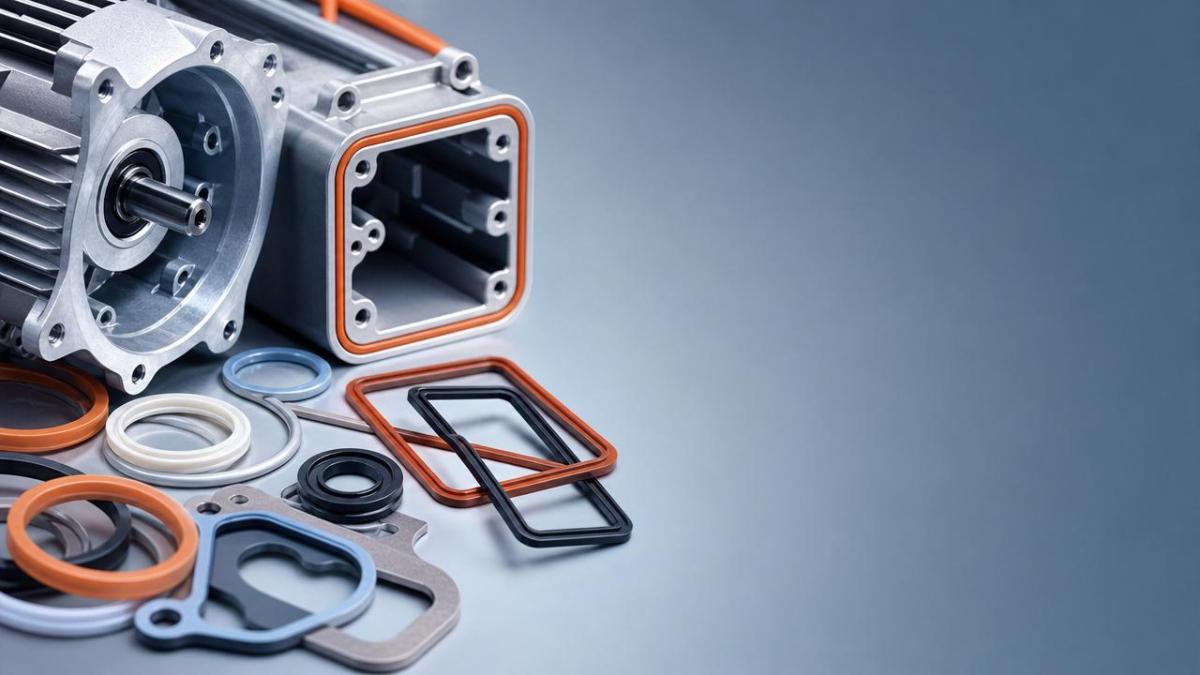
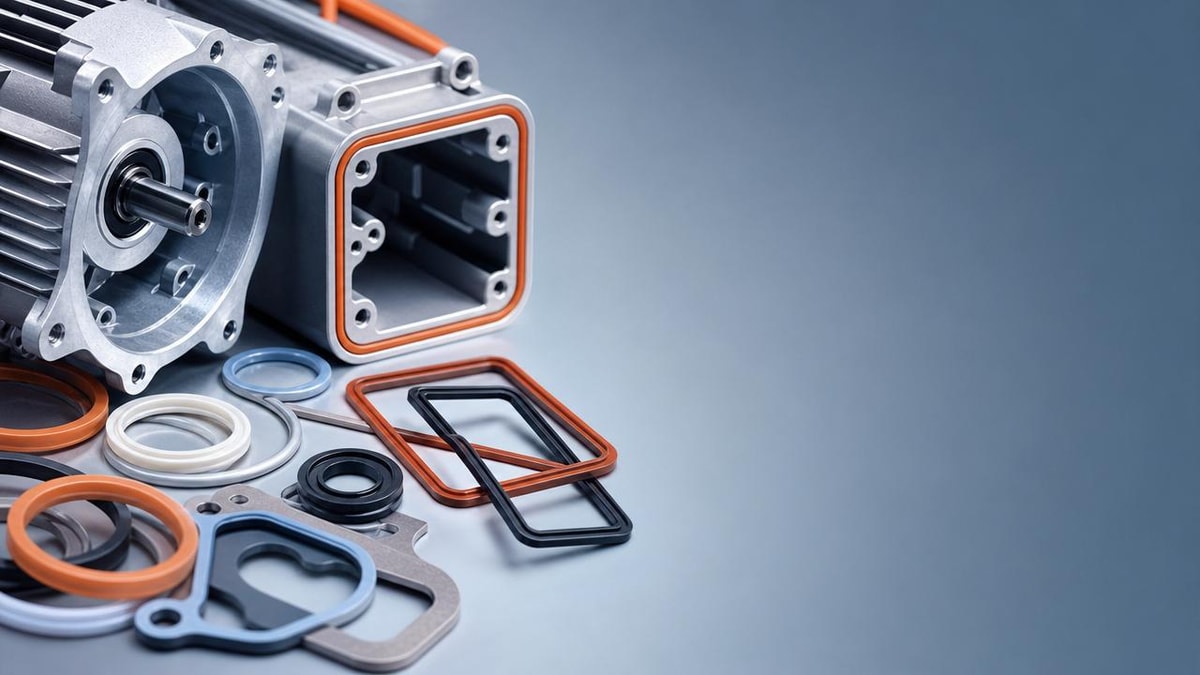
In electric machinery, seals do more than block dust or fluids. They protect housings, cable entries, terminal areas, enclosures, motor covers, and control units from heat, moisture, ozone, and mechanical fatigue. When the wrong material is specified, leakage, insulation loss, corrosion, and unplanned shutdowns can follow.
Silicone rubber is often chosen because it combines broad temperature resistance, low compression set, weatherability, and stable electrical behavior. For project leaders managing schedules and budgets, that combination can reduce maintenance risk across motors, generators, charging equipment, switchgear, sensors, and power electronics.
- It remains flexible in both low and elevated temperatures where some conventional elastomers harden or crack.
- It supports reliable sealing under vibration, which is critical in rotating equipment and mobile electric systems.
- It offers useful dielectric properties for applications where sealing and electrical insulation interact.
- It performs well outdoors under UV and ozone exposure, reducing degradation in exposed installations.
However, silicone rubber is not automatically the right answer for every seal. Oil exposure, tear resistance, flame requirements, and cost targets may shift the decision. The key is to align the grade and formulation with the actual machinery environment, not with a generic material label.
How to evaluate silicone rubber for different sealing scenarios
Project teams often face multiple sealing points in one machine platform. A cabinet gasket, a connector seal, and a motor cover O-ring may all require different silicone rubber characteristics. The table below helps frame the first screening step by linking application conditions to typical material priorities.
This mapping shows why application context matters. A single silicone rubber compound rarely optimizes all conditions at once. Early cross-functional review between design, sourcing, and quality teams helps avoid late-stage changes when tooling, lead time, and validation costs are already rising.
Questions project managers should ask before approval
- What is the real operating temperature range, including start-stop peaks rather than nominal averages?
- Will the seal contact oil mist, cleaning agents, coolant, or process chemicals?
- Does the joint face continuous vibration, compression cycling, or assembly variation?
- Are there insulation, flame, low smoke, or regulatory requirements for the end market?
- Can the selected grade be sourced consistently across regions without changing critical properties?
Which technical properties of silicone rubber drive sealing performance?
Many procurement issues start when teams compare silicone rubber only by hardness or price. Effective selection requires a broader technical view. The parameters below are the ones most likely to affect field performance in electric machinery.
For most electric machinery programs, compression set and thermal aging deserve special attention because they directly affect lifecycle cost. A slightly cheaper material may pass initial assembly but fail after months of heat and clamp load, turning a low-cost purchase into a high-cost service issue.
Common specification checkpoints
- Operating temperature window, including intermittent thermal spikes near windings or power electronics.
- Required ingress performance at the assembly level, since seal material alone does not guarantee enclosure rating.
- Tolerance stability for molded profiles, extrusions, or die-cut gaskets used in volume production.
- Potential outgassing or contamination sensitivity in tightly packed electronic modules.
Silicone rubber versus other elastomers: when is it the better choice?
Procurement teams often compare silicone rubber with EPDM, NBR, or fluorocarbon-based alternatives. Each has a different value profile. The right decision depends on environmental exposure, maintenance interval, and compliance needs rather than material popularity.
This comparison helps teams avoid over-specifying or under-specifying. If the seal mainly faces outdoor heat, moisture, and electrical interface requirements, silicone rubber often makes sense. If the seal lives in heavy oil exposure, another elastomer may deserve evaluation. Material selection should follow failure mode analysis, not habit.
What procurement teams should verify before ordering silicone rubber seals
For project management, the biggest risk is not choosing the wrong polymer family alone. It is approving a supplier or compound without enough process and documentation control. In global sourcing, formulation drift, tooling inconsistency, and unclear validation criteria are common sources of delay.
Procurement checklist for silicone rubber projects
- Confirm whether the part is molded, extruded, sponge, or die-cut, because manufacturing route affects tolerance, lead time, and cost.
- Review technical data for hardness range, compression set, thermal aging behavior, and any application-specific electrical properties.
- Ask how the supplier manages batch consistency, especially for projects supplied across more than one production site.
- Clarify whether samples represent production material or only a development-grade compound.
- Check packaging, storage, and shelf-life practices, because poor storage can degrade sealing performance before installation.
- Verify what test reports can be provided for customer validation, pilot builds, and ongoing quality review.
TradeNexus Edge supports this stage by helping buyers compare supplier capabilities in context, not just by price sheet. For industrial decision-makers, the real value lies in understanding technical fit, regional sourcing resilience, and documentation quality before commercial commitment.
How standards, compliance, and validation affect material approval
Electric machinery programs often require more than material performance. Teams may also need to review flame behavior, environmental restrictions, electrical safety expectations, or end-market documentation. Exact requirements depend on the machine, the customer segment, and the installation region.
Rather than asking for every possible document, define the approval path based on application risk. A seal inside a protected control cabinet may require different evidence than a gasket used in outdoor charging hardware or in equipment supplied to regulated sectors.
Validation areas commonly reviewed
- Dimensional verification against drawing tolerances after first article and pilot production.
- Compression and recovery checks after thermal cycling representative of machine operating conditions.
- Media compatibility review against oils, cleaners, condensate, or plant-specific contaminants.
- Assembly validation to ensure the groove design and clamping force match the silicone rubber behavior.
- Compliance screening for any customer-mandated material declarations or safety-related properties.
A disciplined validation plan reduces costly surprises. It also helps project managers defend sourcing decisions with clear technical rationale when timelines are tight and stakeholders want fast approval.
Frequent mistakes when selecting silicone rubber for sealing
Several recurring mistakes increase total project cost. Most are preventable with early coordination between design, quality, and procurement.
- Choosing silicone rubber only for its temperature reputation without checking oil or chemical exposure.
- Treating hardness as the only comparison point while ignoring compression set and assembly geometry.
- Assuming the seal material alone determines ingress performance, when groove design and clamp distribution also matter.
- Approving samples without confirming mass-production consistency or regional supply continuity.
- Using a premium compound where a standard grade would satisfy the real duty cycle and budget target.
These issues explain why the lowest piece price is rarely the lowest ownership cost. In electric machinery sealing, rework, field service, warranty exposure, and certification delays can quickly outweigh small material savings.
FAQ: practical silicone rubber selection questions from project teams
How do I know if silicone rubber is suitable for my equipment?
Start with the service environment. Silicone rubber is often suitable when your seal must tolerate temperature variation, outdoor aging, moisture, and electrical interface demands. It becomes less straightforward when the seal is exposed to aggressive oils or where mechanical damage risk is high. The best approach is to compare expected failure modes against the compound data and the assembly design.
What is the most important parameter for long-life sealing?
There is rarely one single parameter, but compression set is usually a top indicator for static seals in electric machinery. A material that cannot recover after long compression and heat exposure will lose sealing force over time. Pair that review with thermal aging and dimensional stability for a more reliable decision.
Can silicone rubber reduce maintenance costs?
It can, if the grade matches the application. Better resistance to temperature cycling, weathering, and aging can extend service intervals and reduce seal replacement frequency. But savings depend on total fit: groove design, clamp load, assembly quality, and exposure conditions all influence lifecycle cost.
What should I ask suppliers before requesting quotation?
Ask for the proposed silicone rubber type, processing method, target hardness, indicative compression-set behavior, expected lead time, sample availability, and any relevant compliance documents. Also ask whether tooling is required, what production tolerances can be held, and how changes in raw material supply are managed.
Why informed sourcing support improves outcomes
Silicone rubber selection sits at the intersection of materials engineering, supplier qualification, and commercial timing. That is exactly where many industrial teams lose time. TradeNexus Edge helps shorten this path by bringing together market intelligence, technical context, and supply-chain perspective relevant to advanced materials and industrial procurement.
For project managers and engineering leads, this means faster clarification on parameter confirmation, product selection logic, regional sourcing options, validation priorities, and supplier comparison criteria. Instead of evaluating silicone rubber in isolation, teams can make decisions based on application risk, delivery constraints, and long-term reliability objectives.
Why choose us for silicone rubber sourcing insight and next-step support
If your team is evaluating silicone rubber for electric machinery sealing, we can help you move from broad material assumptions to a practical sourcing and validation plan. Our focus is not limited to catalog descriptions. We help industrial buyers and project leaders interpret technical requirements in a way that supports procurement, engineering review, and delivery planning.
- Parameter confirmation support for temperature range, hardness, compression behavior, and environmental exposure.
- Product selection guidance for gaskets, extrusions, molded parts, and enclosure sealing applications.
- Delivery timeline discussion covering sampling, tooling considerations, pilot builds, and production scheduling.
- Custom solution review for specific machinery platforms, enclosure geometries, and compliance-sensitive applications.
- Documentation and certification screening based on your target market and customer approval path.
- Quotation communication support so your RFQ includes the right technical checkpoints from the start.
If you are planning a new project or troubleshooting an existing sealing issue, contact TradeNexus Edge with your application details, operating conditions, target volume, and validation concerns. We can help you refine the silicone rubber selection path before specification gaps turn into cost, delay, or field risk.
Deep Dive
Related Intelligence
 Electric MachineryElectric motors rated IP67 — how deep is the water resistance really tested?Analyst:Chief Civil Engineer
 Electric MachineryElectric Motors in Poultry Ventilation Fans — Higher Efficiency, Lower Dust ToleranceAnalyst:Chief Civil Engineer
![]() Electric MachineryChina’s Green Smart Ship Tech Rules Impact Marine Equipment ExportAnalyst:Chief Civil Engineer
Electric MachineryChina’s Green Smart Ship Tech Rules Impact Marine Equipment ExportAnalyst:Chief Civil Engineer