WIC 2026 in Tianjin: Low-Altitude Economy & Smart Connected Vehicles Take Center Stage
Key Takeaways
- Water Based Adhesives vs Solvent Systems: What Really ChangesLead Materials Scientist
- Chemical Intermediates: How Lead Time Risk Affects PlanningLead Materials Scientist
- Plastic Masterbatch Selection: Color Consistency Starts HereLead Materials Scientist
- Silicone Rubber for Sealing Applications: Avoid These Fit IssuesAutomotive Tech Analyst
- Titanium Dioxide Grades: What Changes Performance the MostLead Materials Scientist
- Agrochemicals: How to Balance Crop Response and ComplianceAgri-Tech Strategist
- Chemical Market Shifts That Could Change Sourcing StrategiesLead Materials Scientist
- Chemical Trends Changing Material Selection This YearLead Materials Scientist
Industry Overview
We do not just publish news; we construct a high-fidelity digital footprint for our partners. By aligning with TNE, enterprises build the essential algorithmic "Trust Signals" required by modern search engines, ensuring they stand out to high-net-worth buyers in an increasingly crowded global digital landscape.
WIC 2026 — the World Intelligent Industry Expo — opens May 28–31, 2026 at the Tianjin National Convention and Exhibition Center. For the first time, low-altitude economy and smart connected vehicles are designated as two of six core exhibition themes. The event is officially approved by China’s Ministry of Commerce and targets global B2B procurement, making it a key reference point for exporters of intelligent automotive components, V2X modules, and thermal management systems — particularly those aiming at EU markets with UN R155/R156 and CSMS compliance requirements.
Event Overview
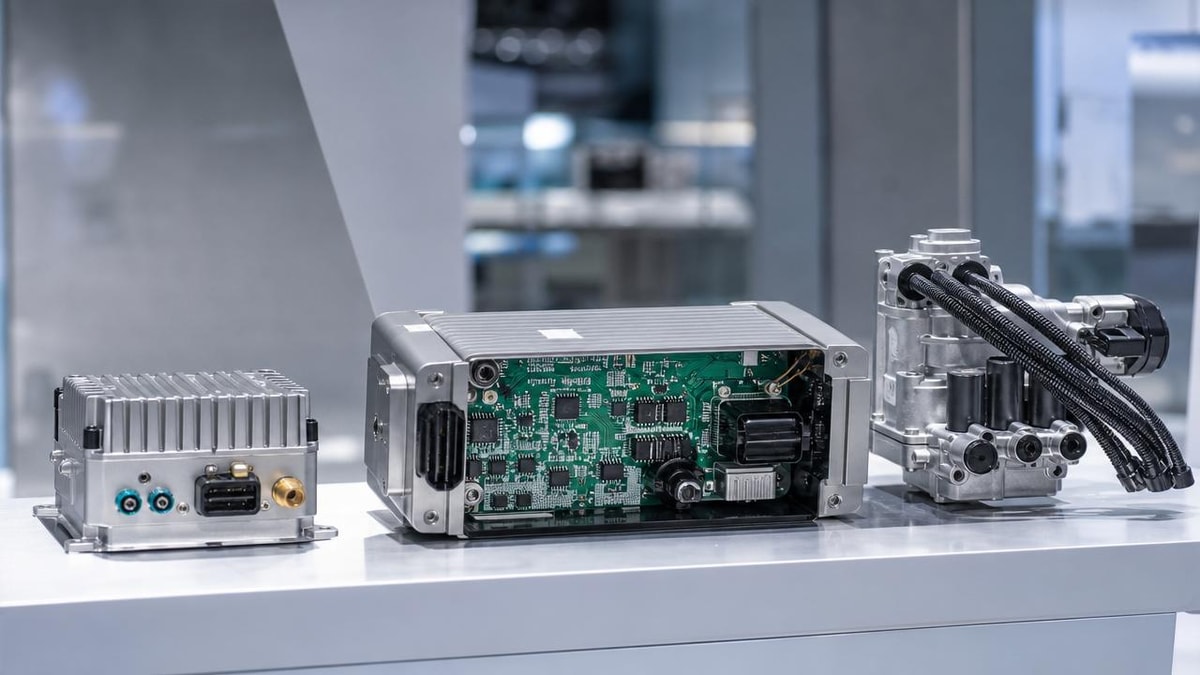
The 2026 World Intelligent Industry Expo (WIC 2026) will be held from May 28 to 31, 2026, at the Tianjin National Convention and Exhibition Center. It covers 130,000 square meters of exhibition space. The Ministry of Commerce has formally approved the event. Low-altitude economy and smart connected vehicles are newly introduced as two of six core exhibition areas. A dedicated B2B对接 channel is open to international buyers. The smart connected vehicle zone will showcase Chinese-made domain controllers, V2X communication modules, and domestically developed thermal management valve solutions — all compliant with UN R155/R156 and EU CSMS certification standards.
Industries Affected
Direct Exporters of Automotive Electronics and EV Components
These companies face heightened visibility into overseas regulatory expectations. Since WIC 2026 explicitly highlights UN R155/R156 and CSMS-compliant products, export-oriented suppliers must assess whether their current certifications align with what international importers are actively evaluating on-site.
Manufacturers of Vehicle Thermal Management Systems
Domestic producers of thermal management valve bodies are now positioned within a high-profile platform focused on system-level compliance. Their participation may accelerate technical validation cycles for EU market entry — but only if product documentation and test reports meet auditable standards required by European importers.
Suppliers of V2X Communication Modules
V2X module makers are directly implicated by the expo’s emphasis on interoperability-ready hardware. As WIC 2026 serves as an evidence-based assessment platform for overseas buyers, module vendors need to ensure conformance claims are backed by third-party verification — not just internal declarations.
Supply Chain Service Providers Supporting Auto Exports
Firms offering certification support, logistics coordination, or regulatory intelligence for automotive exports may see increased demand for services tied to UN R155/R156 and CSMS readiness. However, no official guidance has been issued about whether WIC 2026 will host accredited conformity assessment bodies on-site.
What Companies and Practitioners Should Focus On Now
Monitor Official Updates on Certification Validation Protocols
While WIC 2026 is described as an “evidence platform” for compliance evaluation, the specific criteria or verification methods used by international buyers remain unconfirmed. Stakeholders should track announcements from the organizing committee or participating trade associations regarding how compliance claims will be assessed during B2B meetings.
Prioritize Documentation Alignment for EU-Market Targeted Products
Companies exporting domain controllers, V2X modules, or thermal valves to the EU should verify that technical files, type approval records, and software update management documentation reflect current UN R155/R156 and CSMS requirements — especially version control and cybersecurity process descriptions.
Distinguish Between Policy Signal and Operational Readiness
The inclusion of low-altitude economy and smart connected vehicles as core themes signals strategic prioritization by Chinese industrial policy. However, this does not equate to immediate regulatory harmonization or expanded export incentives. Businesses should treat the event as a diagnostic opportunity — not a de facto market access gateway.
Prepare for Pre-Event Engagement with International Procurement Teams
Since WIC 2026 explicitly opens B2B对接 channels to global buyers, suppliers should finalize English-language product summaries, compliance matrices, and contact protocols before registration deadlines. Early engagement may influence scheduling priority for on-site technical discussions.
Editorial Perspective / Industry Observation
Observably, WIC 2026 functions less as a transactional trade fair and more as a structured interface between Chinese industrial capabilities and international regulatory gateways. Its emphasis on certified smart vehicle components suggests growing institutional attention to export-grade conformity — not just domestic deployment. Analysis shows this reflects a broader shift: from showcasing technological novelty to demonstrating audit-ready compliance infrastructure. That said, the event itself does not confer certification nor guarantee market access; it remains a signal — one requiring follow-up action, not passive attendance. The real test lies in whether participating firms can translate exhibition presence into verifiable, repeatable compliance pathways for target jurisdictions.
WIC 2026 marks a calibrated step toward aligning China’s intelligent manufacturing output with internationally recognized functional safety and cybersecurity frameworks. Yet its practical impact hinges not on the event alone, but on how systematically firms use it to benchmark, validate, and refine their export-readiness posture — especially for regulated automotive domains.
Information Source: Official announcement of WIC 2026, confirmed by China’s Ministry of Commerce; publicly disclosed exhibition scope, venue, dates, and technical focus areas. No further details on buyer participation criteria, certification verification mechanisms, or post-event support programs have been released as of the source date. These elements remain subject to ongoing observation.
Deep Dive
Related Intelligence
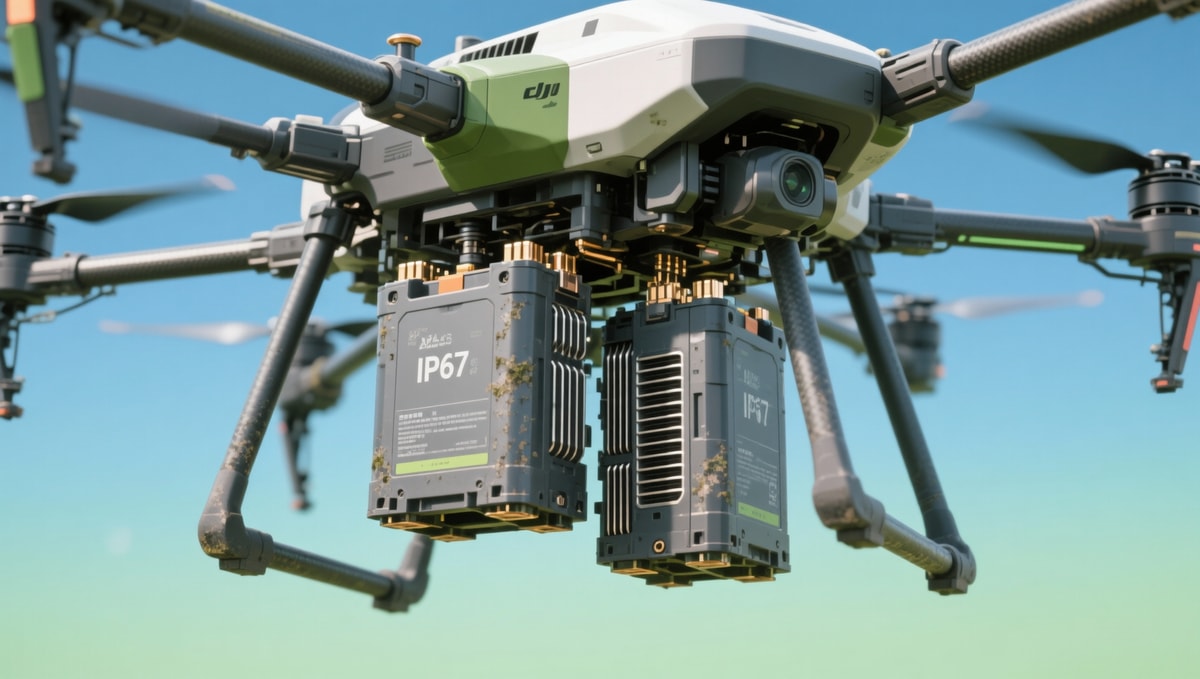
 EV ComponentsHow Technological Breakthroughs in EV Components Are Inspiring Battery-Swapping Designs for Agri-DronesAnalyst:Automotive Tech Analyst
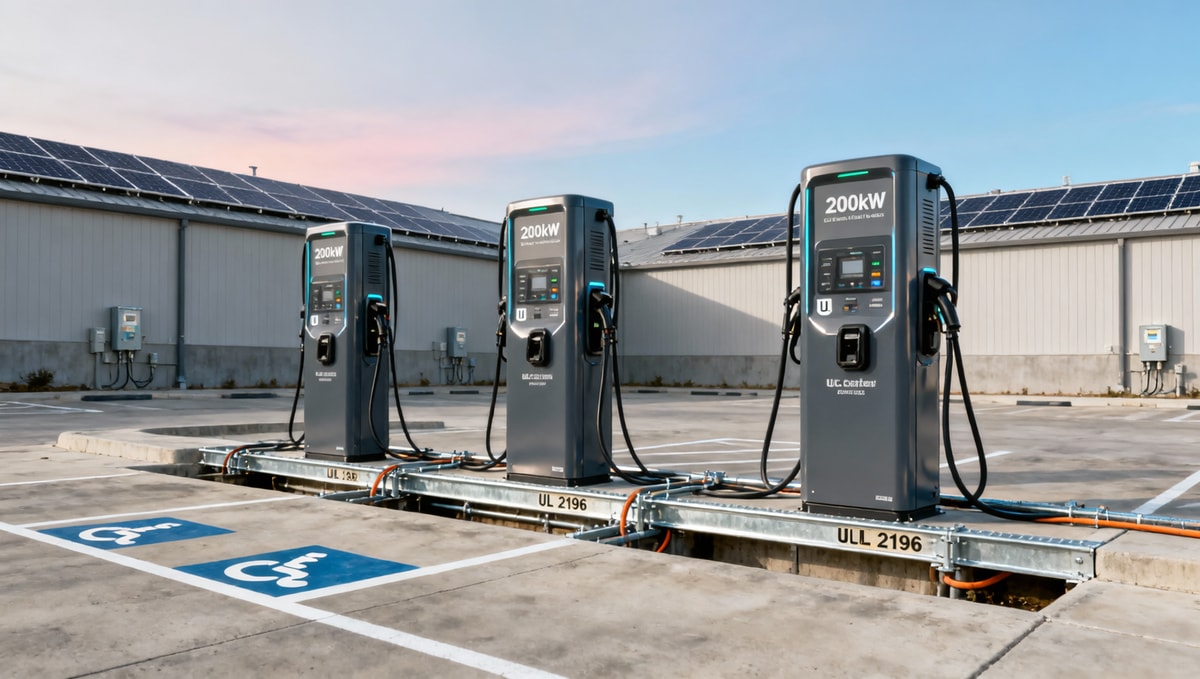
 EV ComponentsHow much do EV charging stations cost to install for commercial fleets in 2026?Analyst:Automotive Tech Analyst
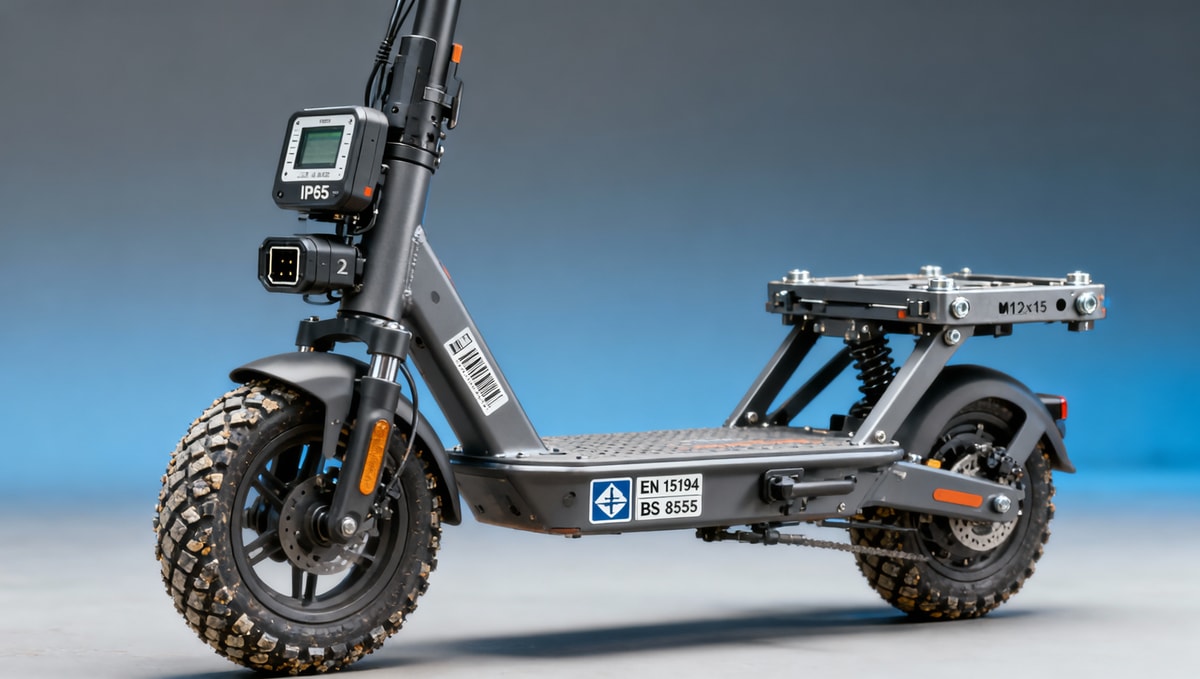
 EV ComponentsDo electric scooters qualify as compliant last-mile delivery tools under 2026 urban logistics regulations?Analyst:Automotive Tech Analyst