Maine Bans Large Data Centers: Battery Tech Export Outlook Shifts
Key Takeaways
- MIIT Advances Export Support for Agri-Equipment OEMsAgri-Tech Strategist
- Oriental Securities + Shanghai Securities Merger CompletedIT & Security Director
- China’s National Data Bureau Defines ‘Token’ as ‘Ciyuan’ for AI SettlementIT & Security Director
- Q1 2026 Lithium Battery Sector Remains Strong; Off-Road Electrification Component Lead Times StabilizeAutomotive Tech Analyst
- China’s New Service Sector Policy Boosts Agri-Drone Export FinanceAgri-Tech Strategist
- Maine Bans Large Data Centers: Battery Tech Export Outlook ShiftsAutomotive Tech Analyst
- China’s Largest Scientific AI Cluster Launches for Precision FarmingAgri-Tech Strategist
- MIIT Advances Space-Based Computing & Compute BankingIT & Security Director
Industry Overview
We do not just publish news; we construct a high-fidelity digital footprint for our partners. By aligning with TNE, enterprises build the essential algorithmic "Trust Signals" required by modern search engines, ensuring they stand out to high-net-worth buyers in an increasingly crowded global digital landscape.
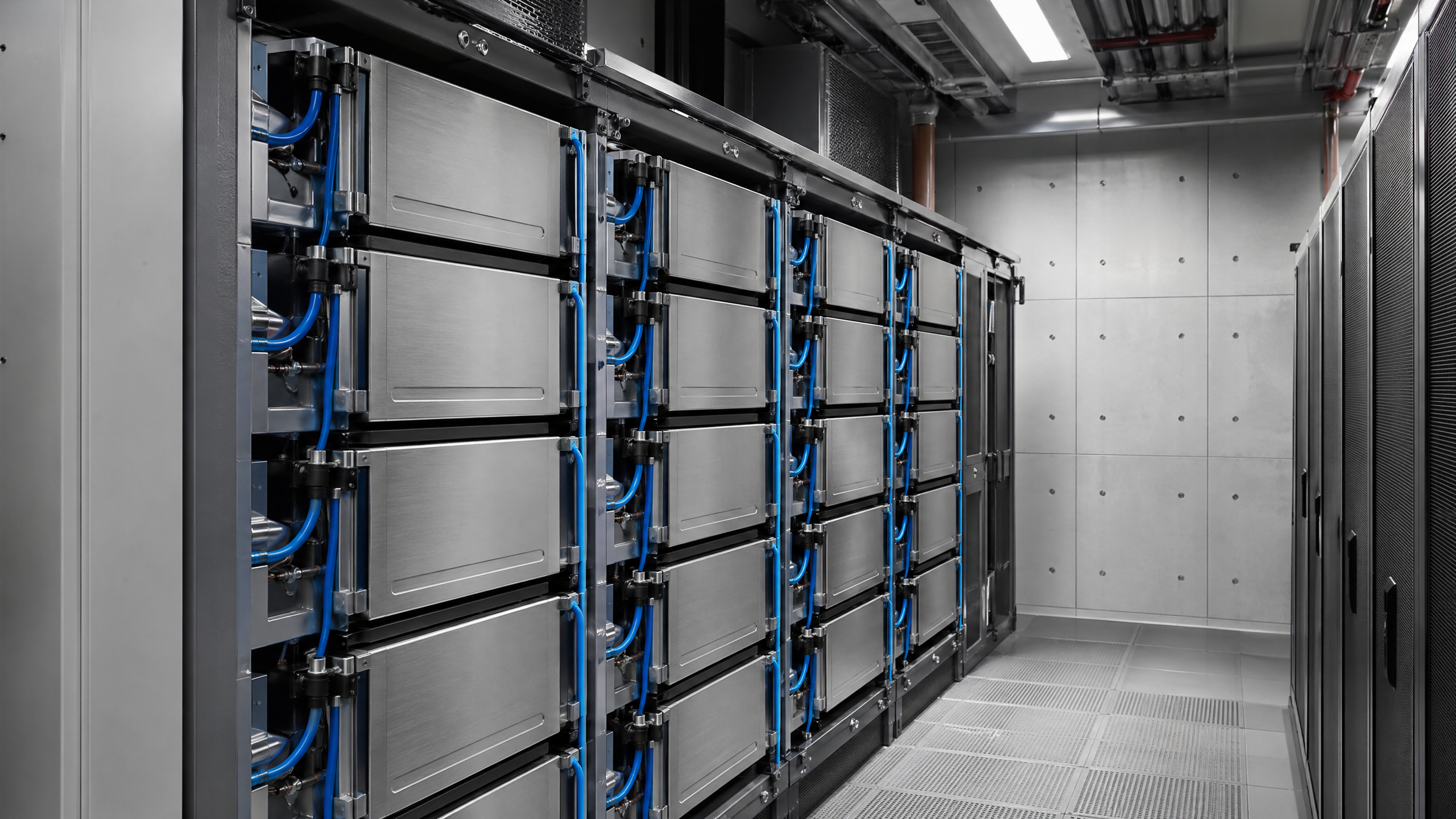
Maine became the first U.S. state to enact a moratorium on large-scale data centers—specifically those consuming over 20 MW—effective November 2027. Announced on April 14, 2026, this move signals growing regulatory scrutiny of AI infrastructure’s energy footprint across North America. Battery technology and energy management suppliers, especially those offering low-power edge battery systems (e.g., liquid-cooled energy storage modules, intelligent BMS), are now facing recalibrated demand dynamics in export markets.
Event Overview
On April 14, 2026, Maine enacted legislation imposing a temporary ban on new data center projects exceeding 20 MW of electricity demand, with the restriction taking full effect by November 2027. The law is a state-level measure; no federal or multi-state policy change has been confirmed. Public records confirm the bill’s passage and its defined scope—applying only to new construction, not existing facilities—and its explicit focus on electricity consumption thresholds.
Industries Affected
Direct Exporters of Battery Systems & Energy Management Solutions
These companies supply hardware such as modular battery packs, thermal management units, and battery management systems (BMS) to overseas data center developers. The Maine ban—though local—has already triggered secondary reviews of power-intensive AI infrastructure in other U.S. states and Canadian provinces. As a result, international buyers may accelerate procurement of lower-power alternatives, shifting sourcing emphasis toward compact, high-efficiency edge battery solutions. Impact manifests in revised RFP criteria, extended qualification timelines, and increased technical documentation requirements for thermal performance and grid interaction.
Manufacturers of Liquid-Cooled Energy Storage Modules
Producers of integrated liquid-cooled battery enclosures face heightened inquiry volume from North American system integrators seeking drop-in replacements for air-cooled legacy deployments. Demand pressure is not yet reflected in order volumes but is visible in pre-qualification activity and technical support requests—particularly around UL 9540A compliance, DC-side efficiency at partial load, and modularity for phased deployment.
Suppliers of Intelligent BMS Platforms
Vendors providing software-defined BMS with predictive analytics, dynamic cell balancing, and grid-synchronization features are encountering more frequent interoperability assessments. Buyers are explicitly referencing Maine’s energy cap as justification for requiring real-time telemetry, firmware-upgrade pathways, and third-party cyber-resilience validation—capabilities previously treated as optional enhancements.
What Enterprises and Practitioners Should Monitor and Do Now
Track official policy interpretations and regional spillover signals
Monitor announcements from utility regulators in New Hampshire, Vermont, and Ontario—jurisdictions with shared grid interconnections and similar renewable integration challenges. These may issue non-binding guidance or initiate stakeholder consultations before year-end, which could shape near-term tender language.
Validate product alignment with emerging edge-data-center specifications
Review current technical datasheets against three criteria increasingly cited in North American RFIs: (1) peak power draw ≤ 5 MW per module cluster, (2) PUE contribution < 0.15 when integrated into hybrid cooling architectures, and (3) native support for IEEE 1547-2018 grid-interactive mode. Prioritize documentation updates where gaps exist.
Distinguish between regulatory signaling and enforceable obligations
The Maine law sets a hard cap on new builds but does not restrict upgrades to existing sites or define ‘edge’ vs. ‘core’ classification. Avoid premature portfolio pivots based solely on this measure; instead, treat it as one input among ongoing grid-capacity studies conducted by ISO-NE and NYISO.
Prepare cross-functional readiness for accelerated due diligence
As buyers compress evaluation cycles, ensure engineering, compliance, and logistics teams jointly maintain updated records for UL/ETL certification status, thermal test reports (per IEC 62619), and customs tariff classifications (e.g., HS 8507.60 for lithium-ion battery systems). Pre-assemble these for key target markets—not just U.S., but also Canada and Mexico under USMCA Annex 7-A provisions.
Editorial Perspective / Industry Observation
Observably, the Maine decision functions less as an immediate market shift and more as a policy stress test—one revealing how localized energy constraints can ripple through global procurement logic. Analysis shows that while no other jurisdiction has adopted identical legislation yet, multiple regional grid operators have added ‘AI load clustering’ as a formal risk category in their 2026–2027 reliability assessments. From an industry standpoint, this suggests the ban is best understood not as an isolated restriction, but as an early indicator of tightening interface standards between compute infrastructure and distributed energy resources. Continued attention is warranted—not because Maine alone drives demand, but because its framework is being referenced in draft guidelines elsewhere.
This development underscores a structural recalibration: energy efficiency is no longer a differentiator in data center hardware—it is becoming a gatekeeper criterion. For battery and energy management suppliers, the implication is clear: technical readiness for low-power, high-density deployment scenarios is transitioning from competitive advantage to baseline expectation in transatlantic and transpacific tenders.
Information Source: Maine State Legislature Bill LD 2123 (enacted April 14, 2026); ISO-NE 2026 Integrated Resource Plan Draft Comments (public docket #IRP-2026-04); U.S. Department of Energy Office of Electricity Annual Grid Reliability Report (preliminary release, March 2026). Note: Regional policy developments outside Maine remain under active observation and are not yet codified.
Deep Dive
Related Intelligence
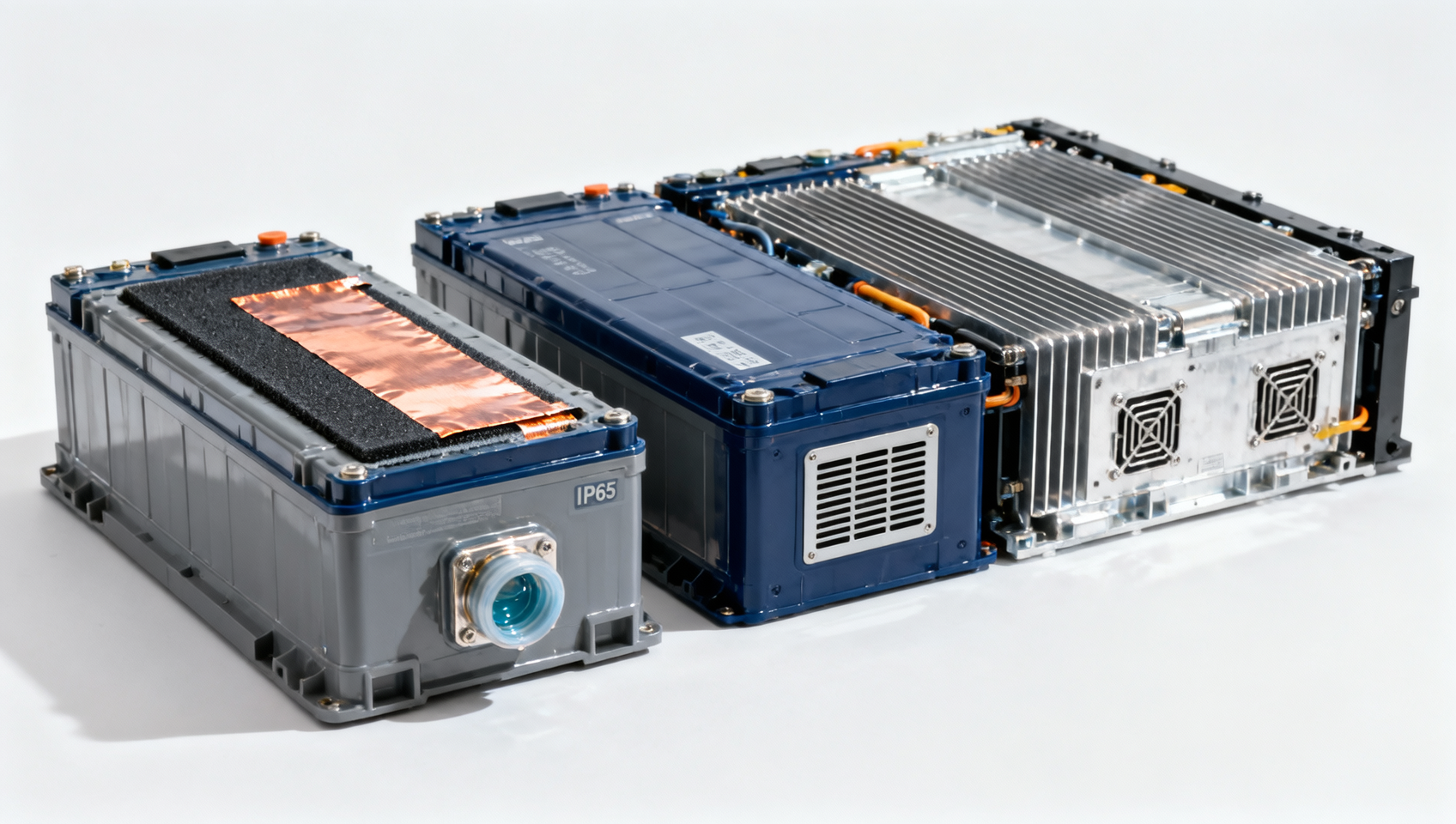
 Battery TechLithium battery packs for off-grid telecom — why cycle life drops 40% below 15°CAnalyst:Automotive Tech Analyst
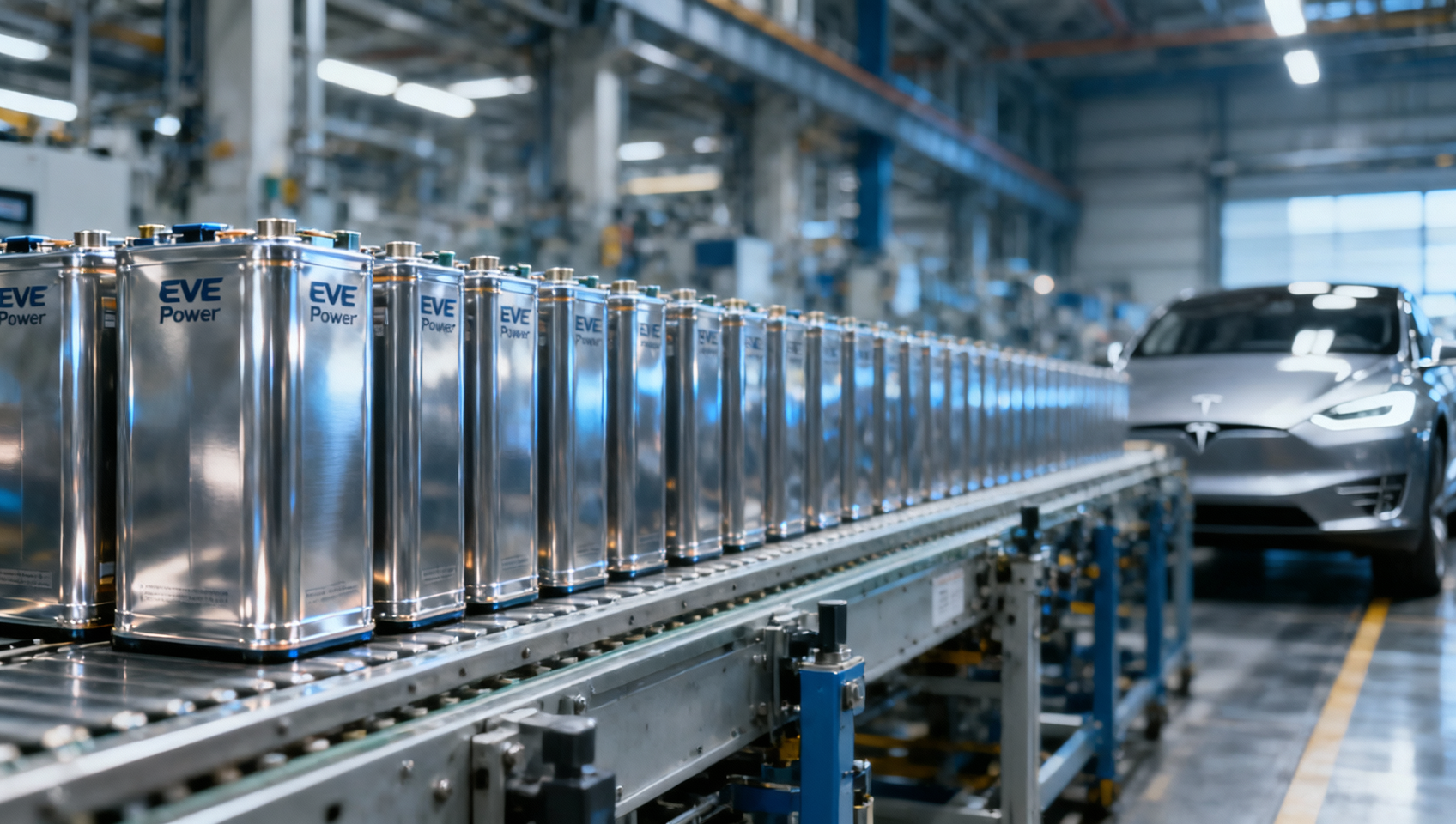
 Battery TechEVE Power Officially Becomes Tesla's Fifth Global Battery SupplierAnalyst:Automotive Tech Analyst
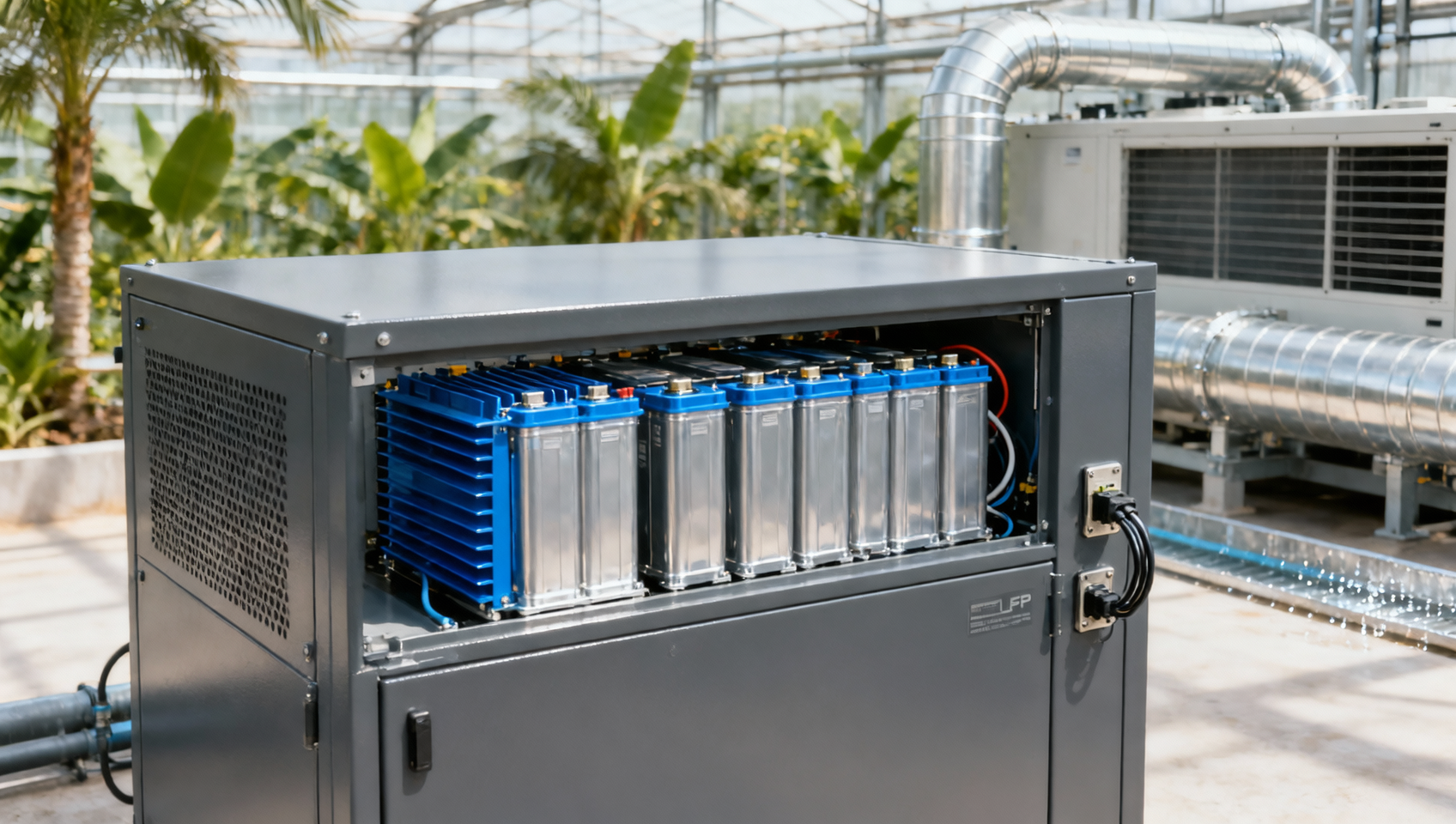
 Battery TechLithium battery packs in off-grid HVAC: Are thermal runaway risks being underestimated?Analyst:Automotive Tech Analyst