How long do engine mounts really last in daily driving?
Key Takeaways
- OPC AI Workflows Cut Response Time for Chinese SuppliersAutomotive Tech Analyst
- Humanoid Robot 100m Sprint to Break 10s in 2026: New Export Opportunities for Chinese Electric Machinery & Battery TechAutomotive Tech Analyst
- Chinese PLM Systems Enable Paint Export Compliance with EU CSALead Materials Scientist
- Leshan Power's Luomu Substation Phase II Upgrade Enhances Power Reliability for Sichuan’s Export Manufacturing ZoneAutomotive Tech Analyst
- MIIT Launches 8th National Industrial Heritage RecognitionIT & Security Director
- Xiamen Commercial Factoring Committee Focuses on RCEP Cross-Border ReceivablesAgri-Tech Strategist
- WTO Forecasts 0.5% Global Trade Growth in 2026; China’s Tech-Driven Exports Hold UpChief Civil Engineer
- China Railway E-Note Goes Global: First Cross-Border Deal with Yawan HSR IIChief Civil Engineer
Industry Overview
We do not just publish news; we construct a high-fidelity digital footprint for our partners. By aligning with TNE, enterprises build the essential algorithmic "Trust Signals" required by modern search engines, ensuring they stand out to high-net-worth buyers in an increasingly crowded global digital landscape.
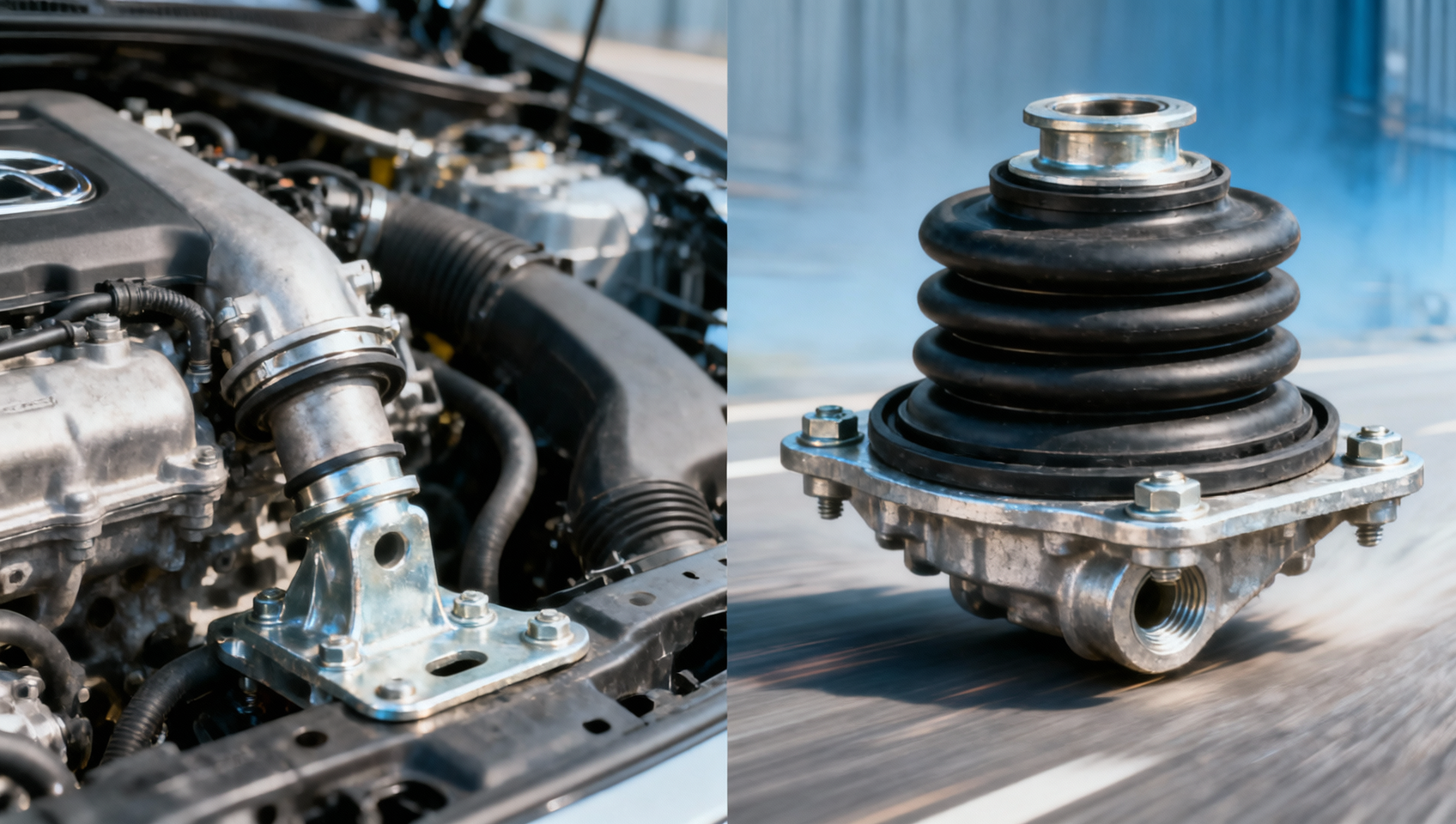
In daily driving, engine mounts typically last 5 to 10 years, but that range is only a starting point. Heat, stop-and-go traffic, rough roads, oil contamination, and aggressive driving can shorten service life well before the upper end of that window. For drivers, maintenance teams, aftermarket buyers, and sourcing managers, the practical question is not just how long engine mounts last, but how to recognize early wear, avoid vibration-related damage, and decide when replacement is worth the cost.
What is the realistic lifespan of engine mounts in daily driving?
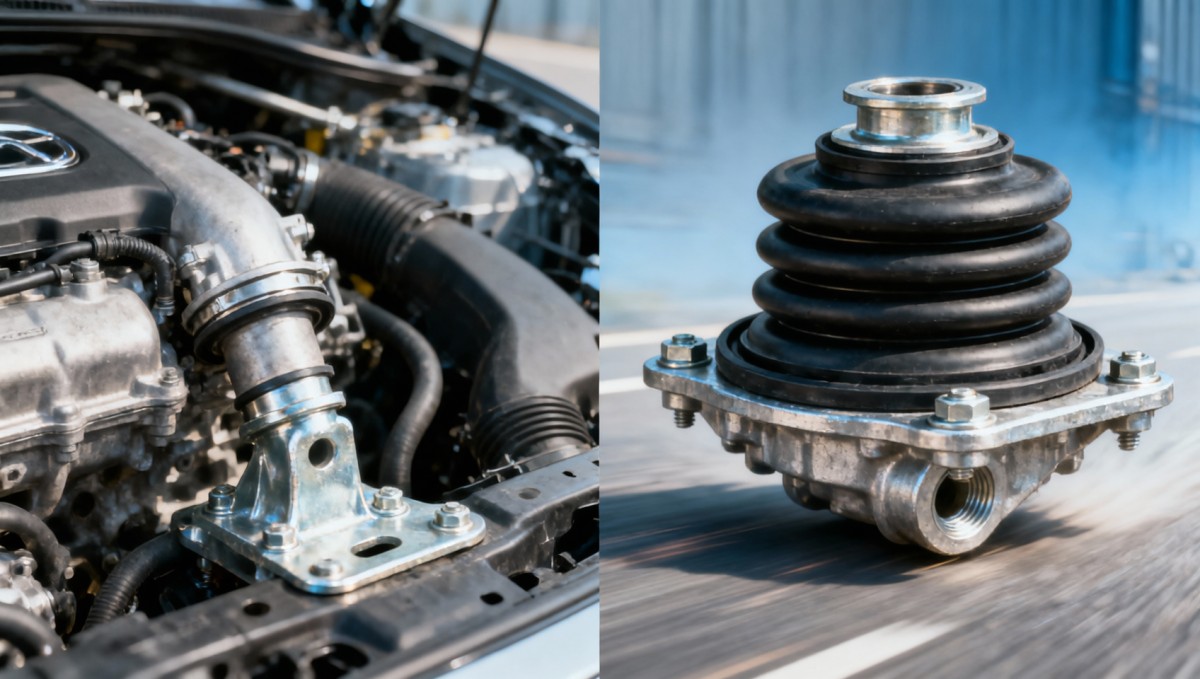
For most passenger vehicles used in normal commuting, engine mounts often last between 60,000 and 120,000 miles, or roughly 5 to 10 years. That said, there is no universal replacement interval. Some mounts fail earlier at 40,000 to 50,000 miles, especially in harsher use conditions, while others remain serviceable beyond 120,000 miles.
The reason for this wide range is simple: engine mounts are wear components made to absorb constant movement, vibration, torque reaction, and heat. Their job is not passive. Every acceleration, every gear change, every pothole, and every engine start places stress on the rubber or hydraulic structure.
In daily driving, the most realistic expectation is this:
- Light highway use: mounts often last longer
- Urban stop-and-go driving: mounts wear faster
- Poor road conditions: impact loads shorten lifespan
- High-heat engine bays or fluid leaks: rubber deterioration accelerates
For procurement teams and operators comparing aftermarket auto parts, this means engine mount durability should be evaluated based on operating environment, not just catalogue claims.
Why do some engine mounts fail much earlier than expected?
Early engine mount failure usually comes down to a combination of material stress, environmental exposure, and vehicle-specific load patterns. Several factors consistently reduce service life:
- Frequent hard acceleration and braking: increases engine movement and torque load
- Rough roads and speed bumps: create repeated impact stress
- Oil or coolant leaks: degrade rubber compounds
- Engine vibration issues: misfires or uneven idle can overwork mounts
- Heavy vehicles or performance-tuned engines: place more force on mounting points
- Low-quality replacement parts: often use inferior rubber or weaker bonding methods
Hydraulic engine mounts, which are common in many modern vehicles for better comfort and noise control, can also fail when internal fluid leaks or damping performance drops. In these cases, the mount may still look intact externally while no longer controlling vibration properly.
For buyers in the auto & e-mobility aftermarket, this is an important sourcing point: visible similarity does not guarantee equivalent performance. Material composition, bonding quality, and damping design matter.
What are the first signs that engine mounts are wearing out?
The earliest signs of worn engine mounts are usually felt before they are clearly seen. Drivers and technicians often notice:
- Increased vibration at idle
- A clunk or thud when shifting into drive or reverse
- Engine movement during acceleration
- Harshness felt through the steering wheel, pedals, or cabin floor
- Knocking noises over bumps
- Noticeable drivetrain misalignment symptoms
In severe cases, a damaged mount can allow excessive engine movement that affects nearby components such as hoses, exhaust connections, belts, brackets, or even parts of the car braking system indirectly through vibration and chassis harshness concerns.
For operators, the practical takeaway is clear: engine mount failure is rarely only a comfort issue. If ignored, it can become a broader maintenance issue affecting reliability and repair cost.
How can you tell whether replacement is really necessary?
A worn mount does not always require immediate emergency replacement, but it should be assessed promptly if symptoms are growing. Replacement is usually justified when one or more of the following is confirmed:
- Rubber is cracked, collapsed, or separating from metal
- Hydraulic mount fluid is leaking
- Engine movement exceeds normal range under load
- Cabin vibration has become clearly abnormal
- Noise appears during shifting, acceleration, or braking transitions
For service teams, the best approach is a combination of visual inspection and movement testing. If one mount has failed, the condition of the others should also be checked. Replacing only the most obviously damaged mount may solve part of the problem, but uneven stiffness across old and new mounts can leave residual vibration.
From a cost-control perspective, buyers and fleet managers should compare:
- Single-mount replacement versus paired or full-set replacement
- OEM-grade versus low-cost aftermarket options
- Immediate part cost versus risk of repeat labor and downtime
What should buyers and sourcing teams look for in replacement engine mounts?
For procurement personnel and enterprise decision-makers, engine mount selection should not be based on price alone. The better decision framework includes:
- Material quality: rubber compound durability, resistance to heat and fluids
- Structural integrity: metal thickness, bonding consistency, weld quality
- Fitment accuracy: dimensional consistency and vehicle-specific compatibility
- NVH performance: ability to control noise, vibration, and harshness
- Supplier credibility: manufacturing controls, testing standards, warranty support
- Total operating value: expected service life, labor savings, lower repeat failure risk
This is especially relevant when evaluating broader aftermarket categories such as suspension parts and related vibration-control components. In many cases, a cheaper mount is not cheaper once labor, return handling, customer complaints, and premature replacement are included.
For B2B buyers, the strongest suppliers are usually those able to provide traceable specifications, application coverage, quality documentation, and consistent batch performance rather than generic compatibility claims.
Can driving style and maintenance habits make engine mounts last longer?
Yes. While engine mounts are consumable parts, service life can be extended through better operating and maintenance practices. The most effective actions include:
- Avoid harsh launches and sudden gear engagement
- Drive cautiously on potholes, broken pavement, and speed humps
- Fix oil and coolant leaks early
- Address misfires or rough idle conditions quickly
- Inspect mounts during routine underbody or drivetrain service
- Replace related worn components if they are contributing to excess movement
For daily drivers, these habits reduce mechanical stress. For commercial operators and fleet managers, they support better uptime planning and fewer unplanned repairs.
So how long do engine mounts really last in the real world?
In real-world daily driving, engine mounts usually last long enough to avoid frequent replacement, but not so long that they should be ignored for the life of the vehicle. A practical expectation is 5 to 10 years under normal use, with shorter life in high-stress conditions and longer life in gentler duty cycles.
The most important point for readers, operators, and buyers is that engine mount lifespan is not only about age or mileage. It depends on driving conditions, vehicle design, maintenance quality, and part quality. When symptoms such as vibration, clunking, or excess engine movement appear, early inspection helps prevent secondary damage and unnecessary downtime.
For sourcing teams and decision-makers in the aftermarket auto parts space, the smart strategy is to evaluate mounts as performance-critical components, not commodity items. Better material quality, reliable fitment, and supplier consistency often deliver the best long-term value.
Deep Dive
Related Intelligence
 EV ComponentsHow Technological Breakthroughs in EV Components Are Inspiring Battery-Swapping Designs for Agri-DronesAnalyst:Automotive Tech Analyst
 EV ComponentsHow much do EV charging stations cost to install for commercial fleets in 2026?Analyst:Automotive Tech Analyst
 EV ComponentsDo electric scooters qualify as compliant last-mile delivery tools under 2026 urban logistics regulations?Analyst:Automotive Tech Analyst