SAMR Launches 1,800 Standard Revisions Targeting Export-Critical Sectors
Key Takeaways
- 2026 DTC Site Strategy White Paper: AI-Search Readiness for Trade Fintech & Auto ElectronicsIT & Security Director
- Oxford Tent Fabric Shifts to Tech-Driven, Quality-First StandardsChief Civil Engineer
- AI Data Centers Shift Global Energy Priorities by 2026IT & Security Director
- Azerbaijan’s Renewable Growth Drives Demand for High-Altitude Energy MaterialsIT & Security Director
- 2026 HVAC & Green Building Exhibitors Qualify for Local SubsidiesChief Civil Engineer
- Fitch Cuts Kenya GDP Outlook: Heavy & Electric Machinery Exporters Reassess East Africa Credit TermsChief Civil Engineer
- OFID’s $500M Funding for Côte d’Ivoire: Sustainable Building & Off-Road Electrification OpportunitiesChief Civil Engineer
- Vietnam GDP Forecast Raised to 7.2% for 2026: Food Processing Machinery & Agri-Drones Demand RisesAgri-Tech Strategist
Industry Overview
We do not just publish news; we construct a high-fidelity digital footprint for our partners. By aligning with TNE, enterprises build the essential algorithmic "Trust Signals" required by modern search engines, ensuring they stand out to high-net-worth buyers in an increasingly crowded global digital landscape.
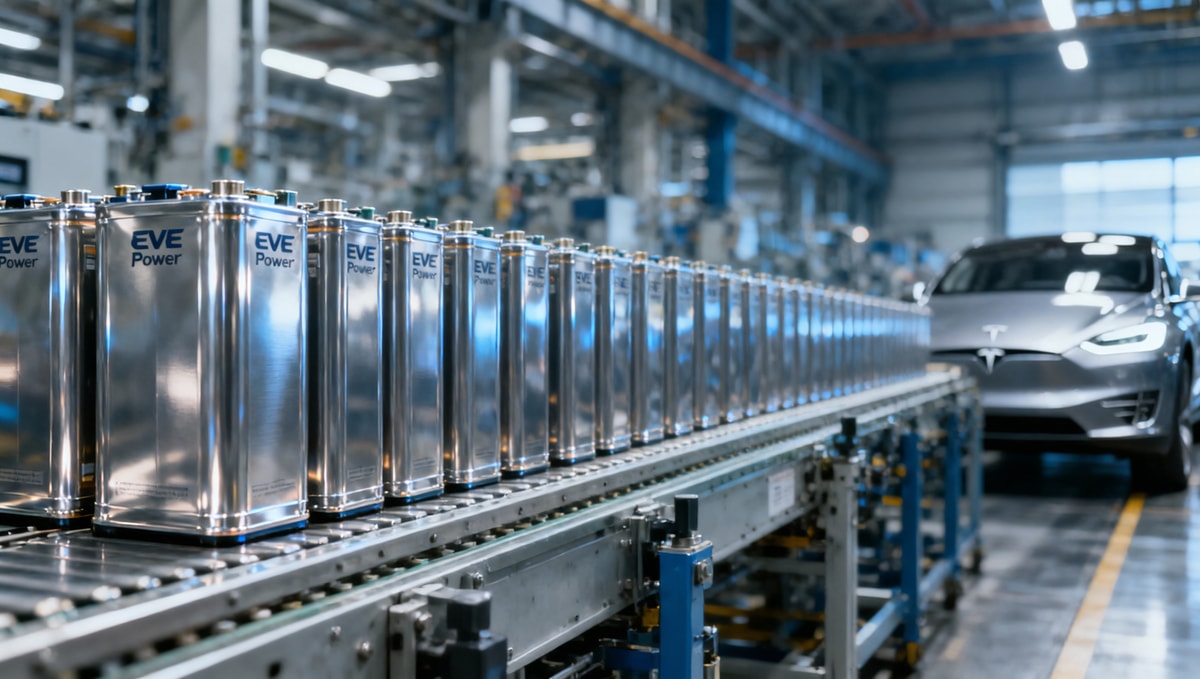
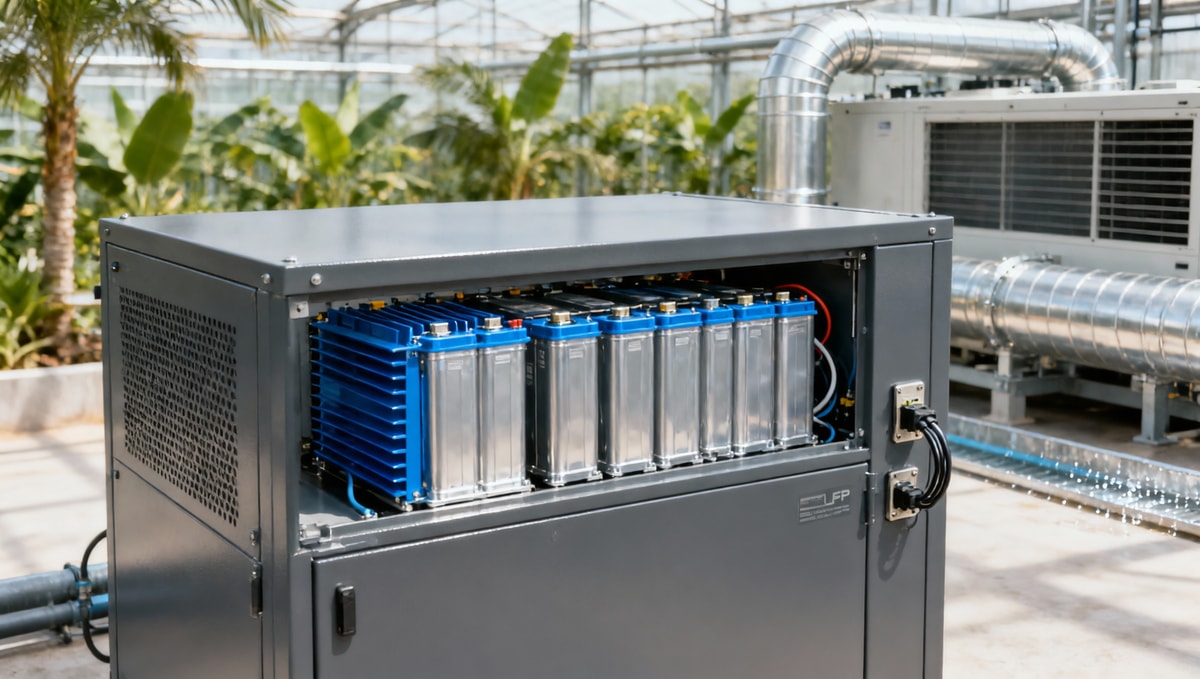
China’s State Administration for Market Regulation (SAMR) has announced plans to complete over 1,800 national standard revisions and new formulations by 2026 — with priority given to sectors directly tied to international trade compliance, including lithium-ion battery recycling, industrial coatings, special equipment, hazardous chemicals, and thermal insulation materials. This initiative signals a tightening of technical gateways for overseas importers sourcing from China, particularly affecting exporters in Battery Tech, Industrial Coatings, and Specialty Chemicals.
Event Overview
In 2026, SAMR confirmed it will advance the revision or formulation of more than 1,800 national standards. Key focus areas include battery recycling for electric vehicles, industrial coating systems, special equipment safety, hazardous chemical handling, and building insulation materials. The administration also emphasized accelerating the conversion of selected recommended national standards (GB/T) into mandatory standards (GB). No further implementation timelines, draft lists, or sector-specific transition schedules have been publicly released as of the announcement.
Industries Affected
Direct Exporters (Battery Tech, Industrial Coatings, Specialty Chemicals)
These firms face direct regulatory impact because their products fall under newly prioritized standard domains. As SAMR shifts certain GB/T standards to mandatory GB status, export-ready documentation, test reports, and factory-level conformity assessments must align with updated technical requirements — potentially triggering re-certification or third-party verification for key markets.
Raw Material Suppliers & Component Manufacturers
Suppliers feeding into battery recycling lines or industrial coating formulations may encounter upstream specification changes. For example, revised standards on heavy metal limits in cathode active materials or VOC content thresholds in resin blends could require reformulation or new supplier qualification protocols — especially where downstream exporters mandate full traceability.
Contract Manufacturers & OEM Service Providers
Facilities producing under private label or white-label arrangements for foreign brands must now anticipate tighter technical audit scopes from clients. Mandatory standards in insulation material flammability or coating adhesion testing may be embedded into supplier code-of-conduct updates — increasing pre-shipment validation burdens.
Distribution & Compliance Support Providers
Third-party testing labs, certification bodies, and regulatory consultants serving export clients will likely see rising demand for gap analysis against upcoming GB revisions. However, no official draft texts or consultation timelines have been published yet — limiting immediate service readiness.
What Relevant Enterprises or Practitioners Should Monitor and Do Now
Track official SAMR standard project announcements
Monitor the SAMR National Standards Information Public Service Platform (www.std.gov.cn) for newly listed standard revision projects. Focus on project numbers prefixed with “GB” (mandatory) versus “GB/T” (recommended), and note whether any listed items explicitly reference “export-related”, “recycling”, or “coating performance”.
Identify high-exposure product categories by destination market
For exporters targeting EU, US, or ASEAN markets, cross-reference SAMR’s priority areas (e.g., battery recycling) with regional regulatory drivers — such as EU Battery Regulation (EU) 2023/1542 or US EPA VOC rules. Prioritize internal review for products where SAMR alignment may preempt or simplify parallel compliance efforts.
Distinguish policy signal from operational requirement
This is a multi-year standardization roadmap — not an immediate enforcement directive. Current mandatory requirements remain unchanged until specific GB standards are formally issued and assigned effective dates. Avoid premature capital expenditure; instead, map existing test protocols and documentation systems against likely revision themes (e.g., lifecycle data reporting for batteries, formaldehyde emission caps for insulation).
Initiate internal cross-functional alignment
Convene quality assurance, R&D, procurement, and export compliance teams to inventory current standards referenced in customer contracts and certifications. Flag any GB/T standards cited in EU Type Examination Reports or UL listings — these are most likely candidates for mandatory conversion under SAMR’s stated acceleration plan.
Editorial Perspective / Industry Observation
Observably, this initiative functions primarily as a regulatory signal — not an implemented compliance regime. Its significance lies less in immediate enforceability and more in its indication of SAMR’s strategic intent: to strengthen technical infrastructure supporting China’s export competitiveness through harmonized, internationally aligned standards. Analysis shows that the selection of battery recycling and industrial coatings reflects dual priorities — environmental accountability and high-value manufacturing upgrading. From an industry perspective, this is best understood as a medium-term calibration effort rather than a sudden compliance shock. Continued monitoring is warranted, but reactive overhauls are not yet justified.
Conclusion
Samr’s 1,800-standard initiative underscores a structural shift toward embedding technical compliance deeper into China’s export supply chain — particularly for sustainability-critical and performance-sensitive sectors. It does not replace existing regulatory obligations, nor does it introduce new penalties or deadlines at this stage. Instead, it better reflects a coordinated effort to future-proof technical alignment across priority export categories. Currently, it is more appropriately understood as a forward-looking policy orientation — one that merits tracking, not immediate operational overhaul.
Information Sources
Main source: Official announcement by the State Administration for Market Regulation (SAMR), 2026.
Note: Specific standard numbers, draft texts, phase-in periods, and enforcement mechanisms remain unconfirmed and are subject to ongoing public consultation — requiring continued observation.
Deep Dive
Related Intelligence
 Battery TechLithium battery packs for off-grid telecom — why cycle life drops 40% below 15°CAnalyst:Automotive Tech Analyst
 Battery TechEVE Power Officially Becomes Tesla's Fifth Global Battery SupplierAnalyst:Automotive Tech Analyst
 Battery TechLithium battery packs in off-grid HVAC: Are thermal runaway risks being underestimated?Analyst:Automotive Tech Analyst