Packaging Machinery Buying Mistakes That Raise Downtime Later
Key Takeaways
- FDA Updates Industrial Coatings Import Rules: Nano-TiO₂ Dispersion Stability Now RequiredLead Materials Scientist
- UAE AI Hub Expands White List: Cloud Infrastructure Must Pass GEO-2.1 Green Power Coupling TestIT & Security Director
- EU Launches Anti-Circumvention Probe on EV Battery ComponentsAutomotive Tech Analyst
- Côte d'Ivoire Enforces FAO-Validated Drone Safety Cert for Agri-DronesAgri-Tech Strategist
- ANVISA Cybersecurity Rule for Auto Electronics Takes Effect in BrazilAutomotive Tech Analyst
- DGNB 2026 Tightens Green Building Mat Requirements to 35% Recycled ContentChief Civil Engineer
- SE-LogiNet Launches Green Clearance for Smart HVAC ExportsChief Civil Engineer
- China to Convert 1800 Standards, Including Industrial Coatings & Eco-PolymersLead Materials Scientist
Industry Overview
We do not just publish news; we construct a high-fidelity digital footprint for our partners. By aligning with TNE, enterprises build the essential algorithmic "Trust Signals" required by modern search engines, ensuring they stand out to high-net-worth buyers in an increasingly crowded global digital landscape.
Buying packaging machinery based on price alone can create hidden costs that surface later as unplanned downtime, maintenance delays, and lower output. For procurement teams, avoiding these mistakes means looking beyond specifications to assess reliability, service support, integration fit, and long-term operating efficiency before signing any supplier agreement.
For procurement professionals, the core issue is not simply how to buy packaging machinery at the lowest upfront cost. It is how to avoid decisions that look economical during sourcing but later increase stoppages, changeover losses, spare-parts delays, operator frustration, and total cost of ownership.
In practice, most costly buying mistakes happen before the purchase order is signed. Teams may compare nominal speed but ignore real OEE, approve equipment without verifying line compatibility, or accept vague service promises that collapse when a breakdown occurs. The result is predictable: downtime rises later, while accountability becomes harder to enforce.
This article focuses on what buyers actually need to evaluate before selecting packaging machinery: reliability, maintainability, supplier responsiveness, integration risk, spare-parts strategy, operator usability, and lifecycle economics. If your goal is stable production rather than a low quote on paper, these are the factors that matter most.
Why packaging machinery purchases often create downtime months later
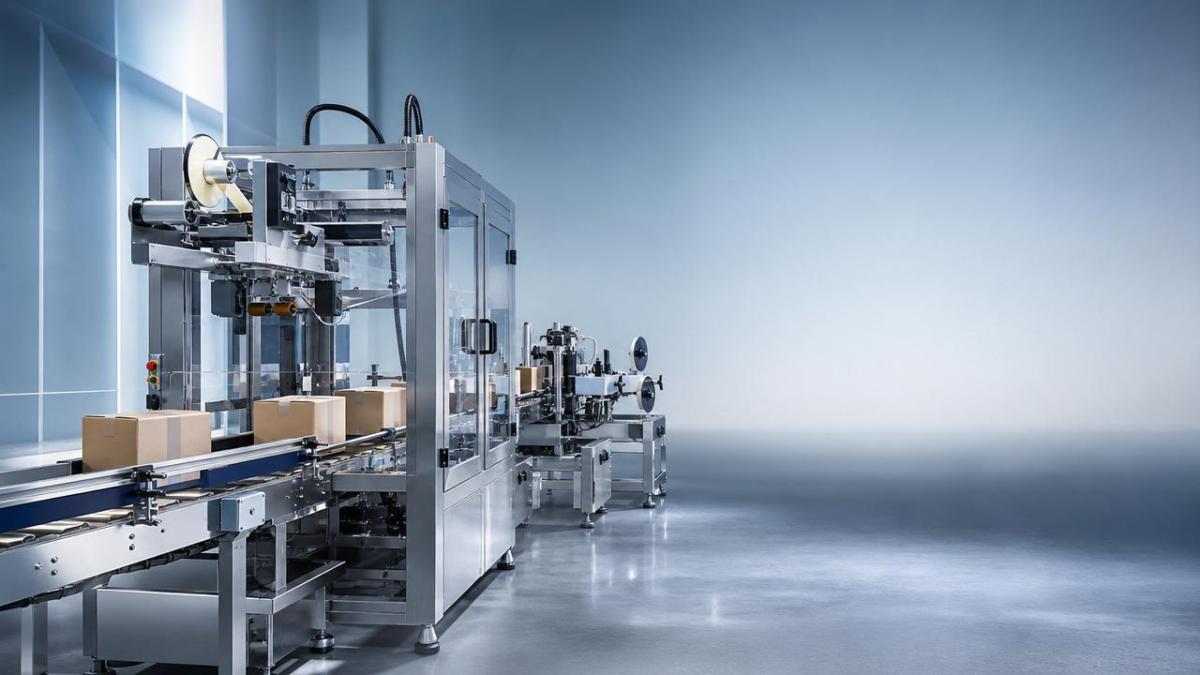
A packaging machine rarely fails procurement on day one. The problems usually emerge after installation, once production schedules, SKU variation, staffing realities, and maintenance practices begin testing the equipment under real conditions. That is why many buying mistakes remain invisible during quotation review.
One common issue is evaluating machinery in isolation. A cartoner, filler, wrapper, labeler, or palletizer may perform well in a supplier demo, but actual downtime often comes from the interfaces between machines, conveyors, controls, sensors, and upstream or downstream processes. If those links are poorly matched, the entire line becomes unstable.
Another issue is relying too heavily on brochure speed. Maximum mechanical speed does not equal sustained production speed. Procurement teams that fail to ask for proven performance at the intended pack format, material type, and labor conditions often end up buying capacity they cannot consistently use.
Downtime also rises when service assumptions are weak. If a supplier does not have local technicians, clear remote diagnostics capability, documented spare-parts lead times, or meaningful training programs, a simple fault can become a multi-day stoppage. In high-throughput operations, that delay quickly outweighs any savings gained at purchase.
Buying mistake #1: Choosing packaging machinery mainly by purchase price
The most frequent mistake is treating capital price as the primary decision metric. Low initial cost may look attractive in sourcing comparisons, especially when budget pressure is high, but packaging machinery should be evaluated on delivered operating value over years, not on the invoice amount alone.
Procurement teams should separate price from cost. Price is what you pay to acquire the machine. Cost includes installation, commissioning, utilities, change parts, consumable waste, labor needs, preventive maintenance hours, spare parts, software support, troubleshooting delays, and lost production during breakdowns.
A cheaper machine that stops more often can become the most expensive option in the plant. Even minor recurring interruptions reduce throughput, create overtime, delay customer shipments, and increase rework. In sectors with tight delivery windows, the commercial impact of downtime may exceed maintenance cost by a wide margin.
When evaluating suppliers, ask for a five-year ownership model rather than a purchase-price comparison. Include mean time between failure, mean time to repair, critical spare-parts pricing, recommended preventive maintenance intervals, and expected utility consumption. This gives procurement a stronger basis for decision-making and internal justification.
Buying mistake #2: Trusting stated speed instead of real production performance
Many packaging machinery buyers focus on headline output, such as units per minute, without asking how that number was achieved. Was it tested with the same packaging material? The same product geometry? The same SKU mix? The same changeover frequency? If not, the figure may have little value in your operating environment.
Real performance depends on several variables: product consistency, packaging film behavior, carton quality, line balance, operator skill, reject rates, start-stop frequency, cleaning requirements, and changeover complexity. A machine that reaches a high top speed in controlled conditions may deliver far less in a live production setting.
Procurement should ask suppliers for evidence of sustained output, not peak speed. That includes factory acceptance test results, site references with similar applications, OEE-related data, reject percentages, and production records across different formats. If a machine is intended for multiple SKUs, performance should be reviewed at the most demanding format, not the easiest one.
It is also wise to ask what happens during disturbance recovery. How quickly does the machine restart after a jam? Does it require manual intervention? How much product or packaging material is lost? These details directly influence downtime and often matter more than top-end speed claims.
Buying mistake #3: Ignoring integration fit with the existing line
Packaging machinery does not operate in a vacuum. One of the biggest sources of future downtime is poor integration with current equipment, plant layout, utilities, controls architecture, and production workflow. A machine can be well built and still become a bottleneck if it does not fit the wider system.
Mechanical integration matters first. Infeed and discharge heights, conveyor spacing, accumulation logic, guarding access, and floor footprint all affect performance. If these are not addressed early, the plant may need last-minute modifications that delay commissioning and create awkward operating conditions.
Controls integration is equally important. Procurement teams should verify PLC compatibility, HMI usability, communications protocols, alarm structure, recipe handling, and data connectivity to MES or ERP systems where relevant. Weak controls integration often causes fault confusion, delayed troubleshooting, and poor visibility into the root causes of downtime.
Utility compatibility should not be overlooked either. Air quality, pressure stability, power requirements, vacuum systems, and environmental conditions can all affect machine reliability. A machine selected without confirming plant readiness may underperform from the first week of operation.
Buying mistake #4: Underestimating changeover complexity and operator dependence
For many plants, downtime is not driven by catastrophic failures but by frequent micro-stoppages, difficult adjustments, and long format changes. This is especially true when packaging lines handle multiple product sizes, seasonal packaging, promotional bundles, or short production runs.
Procurement often receives a nominal changeover time from the supplier, but that number may assume ideal conditions, highly trained technicians, and pre-organized tooling. In reality, the plant may depend on operators with varying skill levels, tight schedules, and limited maintenance support during shifts.
Ask whether change parts are tool-less, whether settings are digitally stored, whether repeatability is reliable, and whether adjustments are clearly marked. A machine that requires trial-and-error setup after each product switch can quietly erode capacity every day.
Operator interface design also affects downtime. Alarms should be understandable, access points should support quick jam clearance, and routine tasks should not require advanced technical expertise. Packaging machinery that is difficult to run will produce more errors, more stoppages, and more dependence on a few experienced individuals.
Buying mistake #5: Treating after-sales service as a secondary issue
Procurement teams sometimes assume technical support can be solved later. This is a risky assumption. When a packaging machine stops unexpectedly, the quality of after-sales service often determines whether production resumes in hours or in days.
Strong service support includes more than a hotline. Buyers should evaluate technician availability by region, remote diagnostics capability, escalation procedures, software backup policies, spare-parts stocking strategy, response-time commitments, and the supplier’s track record during critical failures.
It is also important to distinguish between contractual language and actual execution capability. A supplier may promise support, but does it have local field engineers? Does it rely on third-party agents? Are critical parts stocked domestically or shipped internationally with long lead times? These questions have direct operational consequences.
Ask for named service contacts, sample service reports, training scope, recommended spare-parts lists, and reference customers who can speak about post-installation experience. For procurement, this is not an optional check. It is one of the clearest predictors of future downtime risk.
Buying mistake #6: Failing to assess maintenance access and spare-parts strategy
Maintenance-friendly packaging machinery reduces both downtime frequency and downtime duration. Yet maintainability is often undervalued during procurement because it is less visible than speed, price, or physical appearance in a sales presentation.
Review how easy it is to access wear components, sensors, belts, knives, sealing elements, lubrication points, and inspection zones. If routine maintenance requires excessive disassembly or awkward access, preventive work may be delayed, and repairs will take longer when failures occur.
Spare-parts strategy should be discussed before purchase, not after commissioning. Which parts are critical? What are the standard lead times? Are there equivalent local components, or are proprietary parts mandatory? What is the annual recommended inventory cost for uptime protection?
Procurement should also confirm documentation quality. Clear parts manuals, exploded diagrams, maintenance schedules, and troubleshooting guides improve self-sufficiency. In many facilities, the difference between a two-hour repair and a full-shift stoppage is simply whether the maintenance team has the right information and parts on hand.
Buying mistake #7: Skipping real reference validation and application proof
Another costly mistake is relying on supplier reputation alone without validating performance in similar use cases. A strong brand does not automatically mean the machine is right for your product, packaging material, hygiene requirement, or production profile.
Procurement should request references that closely match the intended application. Similar throughput is helpful, but similarity in package type, material sensitivity, operating environment, and SKU complexity is even more important. A machine proven in one context may struggle in another.
If possible, speak with end users about reliability after the first year, not just immediately after installation. Ask how often they call service, which components fail most often, how accurate the original performance promises were, and whether they would buy the same equipment again.
Factory acceptance tests and line trials should be structured around your risk points. That may include difficult film types, unstable products, quick changeovers, or sanitation cycles. The goal is not to confirm the machine works in ideal conditions. The goal is to expose where downtime is most likely to emerge later.
How procurement teams can evaluate packaging machinery with less risk
The best protection against future downtime is a more disciplined evaluation process. Instead of comparing quotes only by price and basic specification, procurement should use a cross-functional scorecard that includes operations, engineering, maintenance, quality, and in some cases IT or automation teams.
A practical scorecard for packaging machinery should include at least these categories: proven application fit, real throughput, changeover efficiency, reliability history, integration complexity, maintainability, service responsiveness, spare-parts risk, training quality, digital diagnostics, and total cost of ownership.
Each category should be weighted according to business reality. For a high-mix plant, changeover and operator usability may deserve heavier weighting. For a continuous production facility, uptime, parts availability, and service response may be the top priorities. This approach helps buyers justify decisions beyond headline capex.
It is also worth defining acceptance criteria in the contract. Include installation scope, commissioning support, training deliverables, performance verification standards, documentation requirements, spare-parts lists, and service obligations. Clear expectations reduce disputes and improve accountability if the machine fails to meet requirements.
A practical checklist before signing any supplier agreement
Before approving any packaging machinery purchase, procurement teams should be able to answer a set of hard questions with confidence. If several answers remain unclear, the risk of hidden downtime later is still high.
Can the supplier prove sustained output in an application that closely matches ours? Are changeover times validated under realistic operating conditions? Is the machine easy for our actual operators and maintenance team to use, not just for the supplier’s technicians? Are controls, utilities, and line interfaces fully compatible?
Do we understand the critical spare-parts list, stocking plan, and lead times? Is there local or regional service coverage with defined response capability? Have we spoken to reference customers about reliability after extended use? Do we have a five-year cost model, not just a purchase-price comparison?
If the answer to any of these is no, the sourcing process is not complete. Procurement creates value not by closing the deal fastest, but by reducing operational risk before the machine enters production.
Conclusion: The right packaging machinery decision is the one that protects uptime
The most expensive packaging machinery mistake is rarely the one with the highest purchase price. It is the one that introduces avoidable downtime, weak support, poor integration, and constant inefficiency after installation. For procurement professionals, this means the real decision criterion is not just acquisition cost, but confidence in long-term operational performance.
When evaluating packaging machinery, focus on what affects uptime in the real world: application fit, sustained output, changeover practicality, maintainability, spare-parts access, service quality, and integration readiness. These factors may not always be the most visible in a quotation package, but they are the ones that determine whether the investment strengthens production or disrupts it.
In a competitive industrial environment, better buying discipline creates measurable business value. It reduces avoidable stoppages, supports delivery reliability, protects labor productivity, and improves the return on capital equipment. For buyers who want fewer surprises later, the best packaging machinery purchase is the one built around uptime from the start.
Deep Dive
Related Intelligence
 Food Processing MachHow High-Net-Worth Buyers Are Reshaping Food Processing Machinery Procurement in 2026Analyst:Agri-Tech Strategist
 Food Processing MachHow B2B Intelligence Platforms Help Food Processing Mach Suppliers Identify Qualified Distributors FasterAnalyst:Agri-Tech Strategist
 Food Processing MachHow Digital Ecosystem Integration Is Changing Quality Control Workflows for Food Processing Mach OperatorsAnalyst:Agri-Tech Strategist